Why does your pigmentation keep coming back? From sun exposure to skincare habits, what could be triggering it

Why does your pigmentation keep coming back? From sun exposure to skincare habits, what could be triggering itUpdated on: Oct 2, 2026, 18:22:31 IST
Prefer HTon Google
Share via
Copy link
From sun exposure to skin irritation, here are the everyday reasons your pigmentation may keep coming back.
Pigmentation is often approached as a problem that needs to be removed. A dark patch appears, a brightening product is added, the mark begins to fade, and the routine is considered successful. Then, weeks or months later, the same discolouration returns. The more useful question, therefore, is not how quickly pigmentation can be lightened, but why the skin continues to produce excess pigment in the first place. In an interview with Lifestyle, Dr Ashwini Kandikatla, dermatologist at Dermis Oracle, Mumbai, shared reasons that could be leading to pigmentation.
Also read | Dermatologist shares skincare tips to protect your skin from India’s sudden weather shifts
Sun exposure
Dr Ashwini highlighted that sun protection is frequently associated with beaches, holidays, or long hours outside. In reality, cumulative everyday exposure can matter just as much for pigmentation-prone skin. “UV radiation stimulates melanocytes, the cells responsible for melanin production,” said Dr Ashwini. Existing pigmentation can become darker with continued exposure, while new areas of uneven tone may develop.

According to Dr Ashwini, visible light can also influence certain pigmentary conditions, particularly in deeper skin tones. This makes consistent photoprotection an important part of managing pigmentation, not simply a precaution for preventing future damage. For pigmentation-prone skin, photoprotection is therefore better understood as part of treatment management rather than a separate preventive step. It needs to remain a consistent part of daily skincare, including after the skin appears clearer.
When acne leaves behind more than a breakout
For many women, pigmentation begins with something as familiar as acne. “Post-inflammatory hyperpigmentation develops when inflammation associated with acne stimulates excess melanin production,” explained Dr Ashwini. Repeated breakouts then create new areas of pigmentation before older ones have had time to fade. This makes acne control relevant not only to active breakouts but also to the long-term management of pigmentation.
This is particularly relevant for Indian skin, where pigmentation following inflammation can be more persistent. Managing acne early and reducing unnecessary irritation can therefore be an important part of preventing a continuing cycle of marks.
Hormonal changes
Not every recurring patch has an obvious external cause. Hormonal influences can play an important role, particularly in melasma, which commonly presents as symmetrical pigmentation across the cheeks, forehead or upper lip. “This is why pigmentation that repeatedly returns despite otherwise consistent skincare deserves closer attention,” advises Dr Ashwini.
When the skincare routine becomes part of the problem
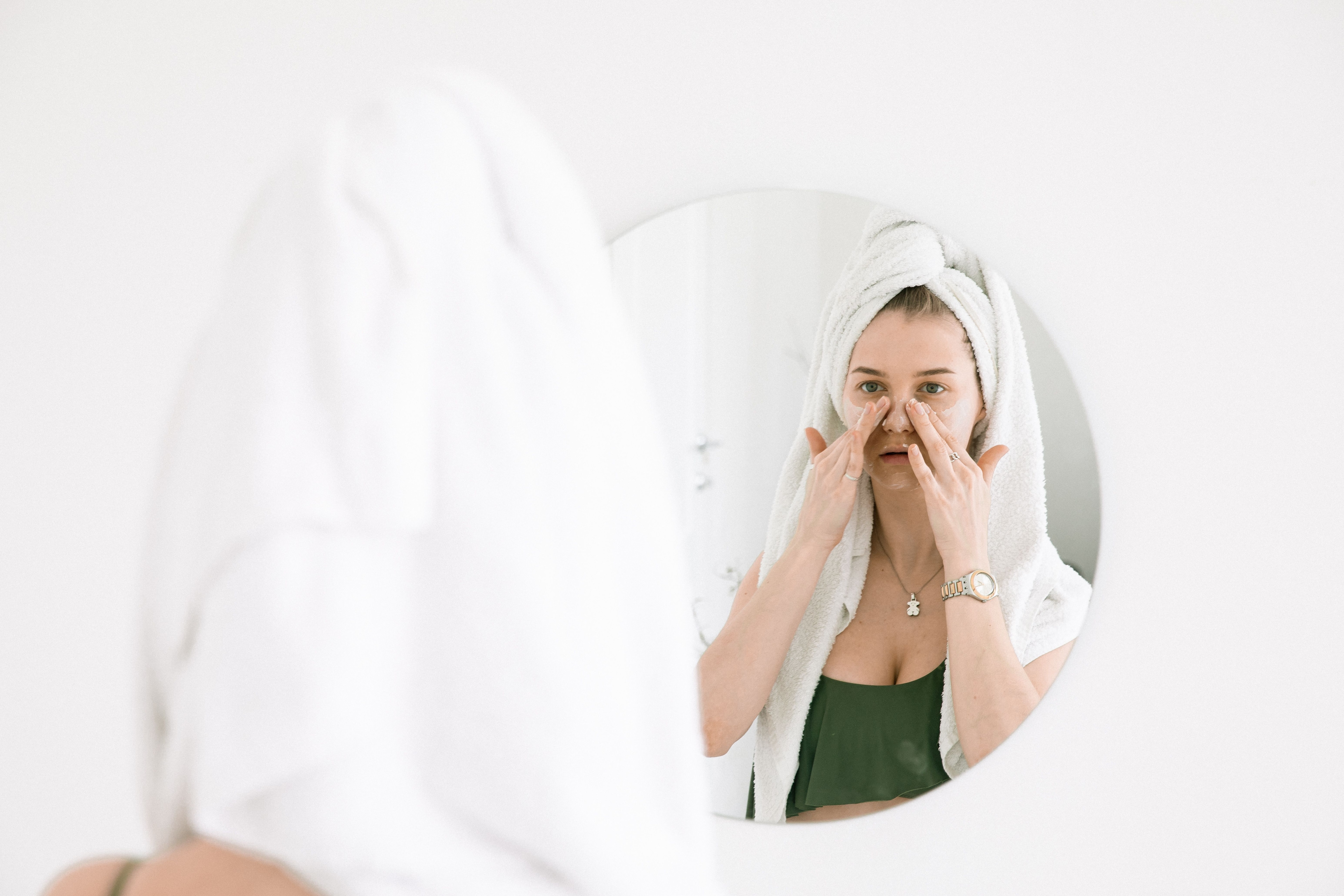
There is a tendency to assume that more active ingredients will produce faster results. Frequent exfoliation, combining several potent actives, harsh scrubbing, or changing products too often can compromise the skin barrier and provoke inflammation. In pigmentation-prone skin, that irritation can become another stimulus for excess pigment.
The same principle applies to home remedies and repeated salon treatments. “A routine should be judged not by how intense it feels, but by whether the skin can tolerate it consistently without redness, burning or persistent sensitivity. In pigmentation management, consistency and tolerance can therefore be more valuable than intensity,” highlighted Dr Ashwini.
Treatment should begin with the cause
One of the most important shifts in pigmentation management is moving away from a one-product-fits-all approach. Effective pigmentation management begins with diagnosis, rather than simply escalating treatment intensity. Depending on the underlying condition, ingredients such as azelaic acid, retinoids, vitamin C, or niacinamide may form part of a treatment plan.
Note to readers: This article is for informational purposes only and not a substitute for professional medical advice. Always seek the advice of your doctor with any questions about a medical condition.
Catch every big hit, every wicket with Crick-it, a one stop destination for Live Scores, Match Stats, Quizzes, Polls & much more. Explore now!.
Catch your daily dose of Fashion, Taylor Swift, Health, Festivals, Travel, Relationship, Recipe and all the other Latest Lifestyle News on Website and APPs.
See Less




Leave a Reply