Want a heart-healthy routine? Follow 5 simple everyday habits from eating rajma to daily brisk walks for better health

Want a heart-healthy routine? Follow 5 simple everyday habits from eating rajma to daily brisk walks for better healthPublished on: Oct 1, 2026, 16:24:49 IST
Prefer HTon Google
Share via
Copy link
Don't take your heart health lightly. Learn how to take care of your heart in 20s and 30s as heart disease risk surges in young people.
Daily habits matter, as their effect on your health add up over time. Your heart is one such vital organ influenced by your lifestyle, from what you eat and how much you move to how well you sleep and manage stress. Caring for it begins with small, intentional health choices that support your health in the long run.
This means taking a step back to assess your routine and identify unhealthy eating habits, substance abuse, irregular sleep schedules, and long periods of sitting, all of which can contribute to your risk of heart disease.
An expert provided clarity by spotlighting the habits that support heart health. Emphasising the scale of the problem, pathologist Dr Ramesh Kinha, COO at Thyrocare, said, "Heart disease claims more than 20 million lives each year, as per the World Heart Federation. The signs or symptoms of heart disease are often unnoticed or overlooked, and nearly 80 percent of CVD-related deaths are the result of risk factors that are manageable or preventable.”
Addressing modifiable risk factors through healthier daily habits and timely screening can help reduce the risk of cardiovascular disease.
Drawing on his experience in pathology and diagnostics, the expert revealed the alarming trend among young adults: "Cardiovascular disease was once considered a condition of advancing age, but that assumption no longer holds. We are increasingly seeing lipid abnormalities, elevated inflammatory markers, and early signs of metabolic dysfunction in patients in their 20s and 30s.”
Lifestyle habits act as a contributing factor and emphasise the importance of early screening, even for people in their 20s and 30s, as heart disease is not limited to middle-aged or older adults. The expert confirmed that a healthy heart requires a healthy lifestyle: “A healthy heart is not built overnight — it is shaped through consistent, everyday choices, reinforced by preventive care and timely screening.”
Here are some of the healthy habits he recommended:
1. Eat a balanced diet
- Choose whole grains such as whole wheat, brown rice, oats, and millets, including jowar, ragi, and bajra.
- Include protein sources such as fish, lean poultry, legumes, and pulses.
- Add sources of healthy fats, such as olive oil, avocado, almonds, walnuts, chia seeds, and fatty fish.
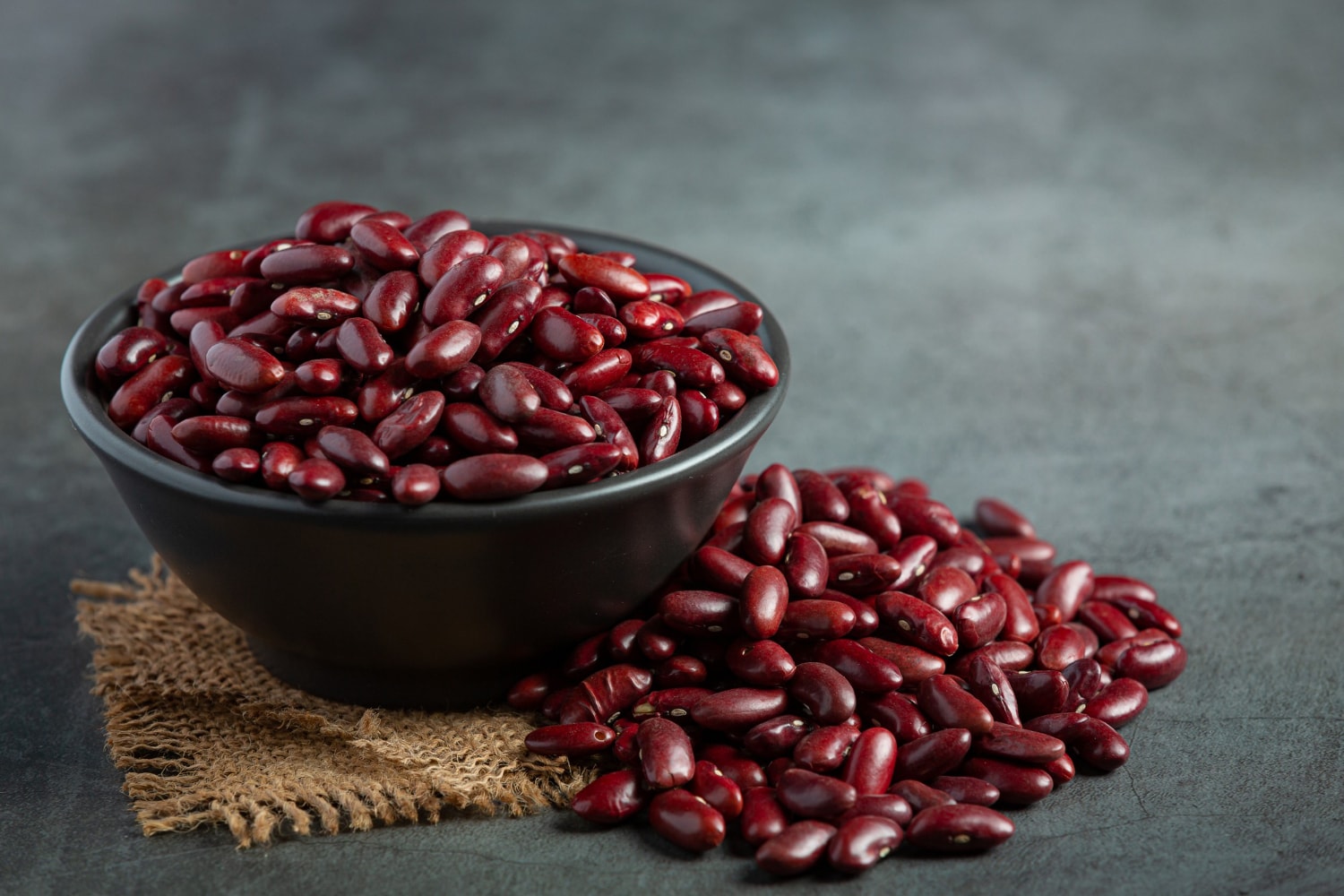
- Eat fruits, green leafy vegetables, and fibre-rich staples, such as rajma, moong dal, and chana.
- Limit processed and deep-fried foods, red meat, excess salt, sugary drinks, bakery items, and alcohol.
- Limit foods high in saturated fat, such as ghee and butter, as excess intake can raise LDL or ‘bad’ cholesterol.
- Leafy greens are recommended, since they are rich in antioxidants, potassium, and fibre, helping to lower blood pressure and reduce inflammation in the arteries.
2. Regular exercise and staying physically active

- Aim for 30 to 60 minutes of physical activity daily to support heart health.
- Regular exercise can help manage weight and reduce the risk of conditions such as type 2 diabetes, high cholesterol, and high blood pressure.
- Avoid prolonged sitting and include more movement in your daily routine.
- Choose activities you enjoy, such as running, jogging, brisk walking, yoga, cycling or swimming, to help you stay consistent.
3. Quit tobacco use or smoking

- Every cigarette places direct strain on the heart, damaging blood vessels, lowering blood oxygen, and forcing the heart to beat faster under higher pressure.
- For those with coronary heart disease, quitting smoking is one of the most effective ways to reduce the risk of a heart attack.
4. Manage stress and prioritise quality sleep

- Manage chronic stress, which can contribute to high blood pressure and increase the risk of heart disease.
- Try meditation, deep breathing, mindfulness, yoga, regular exercise, or spending time in nature to help relieve stress.
- Stay connected with trusted friends and family; loneliness can cause stress.
- Avoid binge eating junk food. Try to control caffeine consumption.
- Sleep well. Improper sleep may increase the risk of heart disease. Advised to get 7-8 hours.
5. Go through regular health checkups and screenings
- Get blood pressure checked regularly, as high blood pressure can increase the risk of heart disease and stroke.
- Have lipid profile tests as advised by your doctor to monitor cholesterol levels.
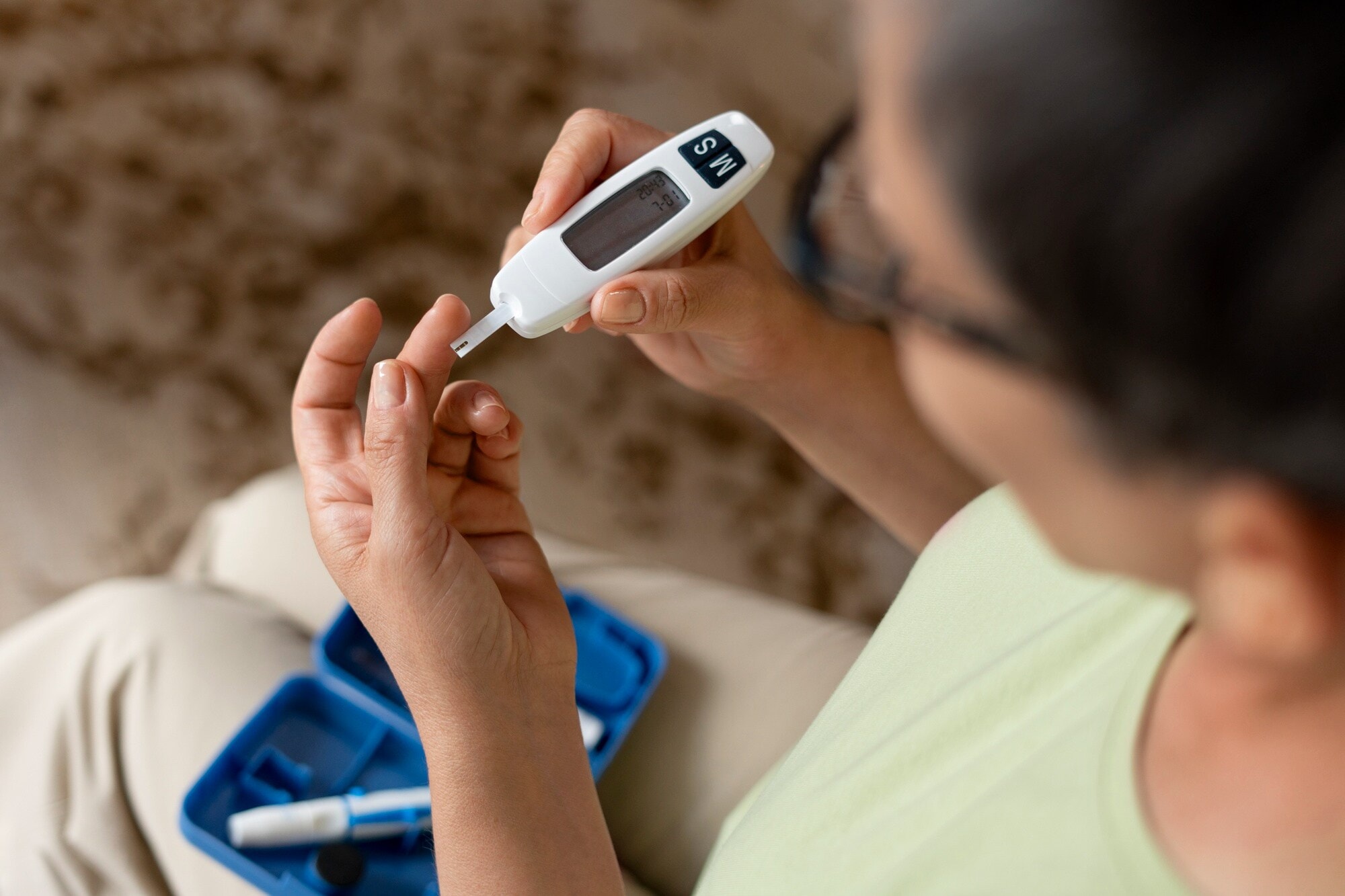
- Get screened for diabetes and keep blood sugar levels under control, as high blood sugar can damage blood vessels and the nerves controlling the heart.
Note to readers: This article is for informational purposes only and not a substitute for professional medical advice. Always seek the advice of your doctor with any questions about a medical condition.
Catch every big hit, every wicket with Crick-it, a one stop destination for Live Scores, Match Stats, Quizzes, Polls & much more. Explore now!.
Catch your daily dose of Fashion, Taylor Swift, Health, Festivals, Travel, Relationship, Recipe and all the other Latest Lifestyle News on Website and APPs.
See Less




Leave a Reply