‘Room rotting’ is the latest travel trend: Why Gen Z is choosing hotel rooms over sightseeing
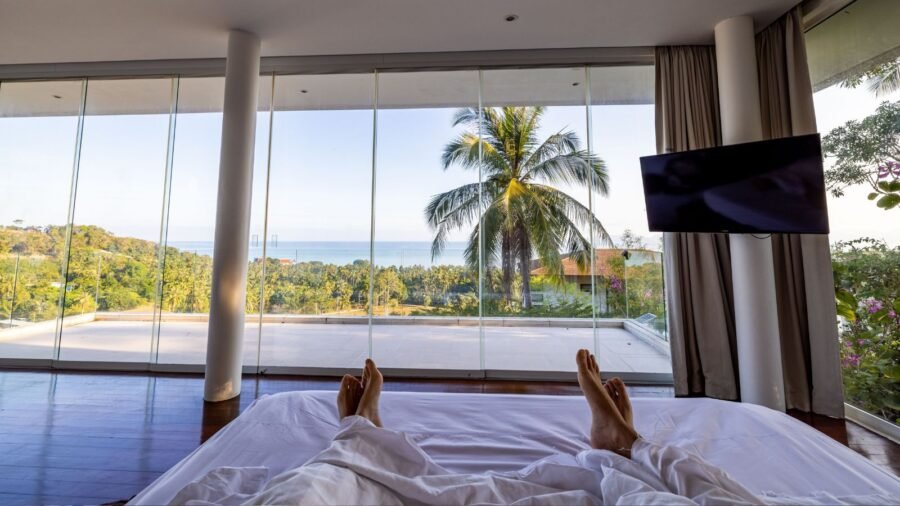
Story continues below.
Subscribe to see fewer ads.
Dr Chandni Tugnait, MD (A.M.), psychotherapist, coach, founder & director, Gateway of Healing, mentions what is driving the move from sightseeing to staying in:
- They arrive already exhausted: Many people leave for a holiday straight after long, draining weeks, so a packed itinerary simply adds another list of tasks to an already full life. Resting in the room is often the first proper break they have had in months, and choosing it feels like the whole point of going.
- Ticking boxes lost its charm: After years of trips planned around must-see lists and photos worth posting, some travellers feel that a jam-packed schedule turns a holiday into a performance. Staying in is a quiet way to take the trip back for themselves, without needing to prove to anyone it was worth the money.
- Fewer decisions feel like luxury: Daily life already demands hundreds of small choices. A holiday with no schedule, with no bookings to chase, no queues to plan around, and no pressure to pick the right restaurant is the real treat.
However, some experts believe it is more about the experience of being in a beautiful or expensive place while remaining trapped in the same internal weather you left at home. The person stays in the room for most of the day, not because they are savouring stillness, but because leaving feels disproportionately effortful.
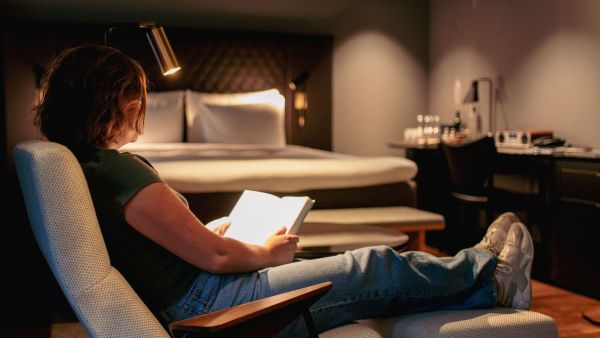 A comfortable hotel room and an unplanned day are becoming part of how some travellers choose to holiday.
Can it be compared to having a restful holiday?
“A restful holiday is intentional, says Dr Malini Saba, Psychologist, human and social rights activist, and founder of the Saba Family Foundation.
“You might spend a whole morning in bed while you read, order room service, watch the rain, or simply lie there doing nothing because you have decided that this is what your body and mind needs,” she adds.
Story continues below this ad
There is a quiet pleasure in it, as you can still look out the window and feel the place you’re in.
But room rotting, she says, is different.
“Scrolling replaces looking outside. A low-level guilt often appears: I am wasting this trip. Psychologically, this often reflects a nervous system stuck in hypervigilance; it has not registered safety even though the external conditions have changed.”
She explains when room rotting signals that someone is struggling to switch off:
- When the inactivity is accompanied by anhedonia (nothing feels rewarding) rather than the simple pleasure in doing nothing.
- When the person cannot tolerate even mild uncertainty or novelty: choosing a restaurant, speaking to a stranger at the pool, changing the plan for the afternoon feels overwhelming.
- When self-criticism is loud: ‘I should be making the most of this’, ‘Everyone else is having a better time’, ‘I am failing at resting’.
- When the same patterns of avoidance, doom-scrolling, or emotional numbing that exist at home simply transfer to the new location.
- When the holiday ends and the person feels no more restored than when they arrived: sometimes they feel worse, because the hoped-for reset never came.
 Experts say there is a difference between intentionally resting on holiday and using a hotel room to avoid experiences or social interaction.
How to build downtime in a trip without feeling guilty
For people used to maximising every trip, consciously leaving blank spaces in the itinerary can be helpful.
Story continues below this ad
“A holiday does not have to be packed with experiences to be meaningful. We shouldn’t feel guilty about having an empty day. Sometimes, an empty day is exactly what a tired mind has been asking for,” Dr Munia Bhattacharya, Senior Consultant, Clinical Psychology, Marengo Asia Hospitals, Gurugram, says.
But how can travellers consciously build downtime into a trip without feeling guilty or feeling that they are wasting their money?
Here’s what Dr Munia suggests:
“Instead of planning every morning and evening, keep a few hours completely unstructured. You could stay in your room, sleep a little longer, read, watch something, order food, or sit by the window without a specific goal. The important part is to treat this time as intentional rest rather than as time that has been wasted.”
Story continues below this ad
The guilt often comes from the belief that if we are not sightseeing or doing something memorable, we are not getting our money’s worth.
“But the value of a holiday cannot be measured only by the number of places visited or activities completed. Rest, connection and mental decompression are also part of the experience,” Dr Munia says adding, “It may help to think of downtime as something you have deliberately paid for, just like a sightseeing experience. If you spend an afternoon doing absolutely nothing and return feeling calmer, more refreshed and less mentally exhausted, that time has served a purpose.”
At the same time, ‘room rotting’ should not become an automatic way of avoiding experiences or social interaction throughout the trip. Balance is the key.
A holiday doesn’t have to be packed to be meaningful, and doing less can sometimes let us experience and enjoy the time away rather than simply tick off a checklist.
Story continues below this ad

Akshay Kumar shares his 4 S philosophy for a good life: ‘Sukh, shanti, seva, and sehat’
By Sohail Khan · 1 Oct
Whole fruit vs juice: What people with diabetes and heart disease should know
By Sohail Khan · 1 Oct

Leave a Reply