Ozempic’s impact on obesity care: Robotic surgeon explains why bariatric surgery remains essential even with weight loss medicines

Ozempic's impact on obesity care: Robotic surgeon explains why bariatric surgery remains essential even with weight loss medicinesPublished on: Oct 5, 2026, 16:37:52 IST
Prefer HTon Google
Share via
Copy link
As obesity treatments evolve, bariatric surgery continues to play a crucial role for patients, despite the introduction of effective medications.
Ozempic and other weight loss medicines' popularity has changed conversations around obesity. Yet, according to Dr Ashish Gautam, principal director, robotic and laparoscopic surgery, Max Super Speciality Hospital, Patparganj, New Delhi, bariatric surgeons continue to see patients with severe obesity every day.
According to Dr Gautam, obesity does not affect every person in the same way, and the amount of weight that needs to be lost varies considerably. He explained in an interview to Lifestyle, “For some patients, medication can produce meaningful weight loss. For others, particularly those with severe obesity and established complications, the reduction may not be enough to restore metabolic health or improve mobility and quality of life.”
This is where bariatric surgery continues to have a role, he added. Moreover, he noted that India is dealing with a growing burden of obesity and its related diseases.
He cited the ICMR study published in The Lancet Diabetes and Endocrinology in 2023, which estimated that around 35 crore adults in India have abdominal obesity, while about 25 crore have generalised obesity. “The concern is not the number on the weighing scale alone. Severe obesity can affect blood sugar, blood pressure, sleep, mobility, liver health and several other systems,” he explained.

Severe obesity is a medical problem
Per Dr Gautam, patients reaching a bariatric surgeon have often lived with obesity for many years; among them, many have already tried structured diets, exercise programmes, medications, and repeated attempts at weight loss. “Some lose weight and regain it. Others lose a modest amount but remain at a level where obesity continues to affect their health,” he added.
The clinical assessment, therefore, goes beyond body weight, he stressed. “BMI, waist circumference, diabetes, hypertension, sleep apnea, fatty liver disease, joint problems, previous treatment response and overall health all matter,” Dr Ashish stated, adding that for Asian populations, metabolic complications can also occur at lower BMI levels. This is one reason Indian obesity guidelines use different thresholds when assessing the need for treatment. “A patient with severe obesity and type 2 diabetes, for example, may need a treatment capable of producing substantial and sustained weight loss as well as improving metabolic control,” he explained.
Surgery is about metabolic health, too
Dr Gautam further explained that although the term ‘bariatric surgery’ may make the treatment seem primarily related to weight, in practice, the metabolic benefits are equally important: “Procedures such as sleeve gastrectomy and gastric bypass reduce the amount of food the stomach can accommodate and alter hormonal signals involved in hunger, satiety and glucose regulation.”
Moreover, blood sugar can improve soon after surgery, sometimes before a patient has lost a large amount of weight. This is particularly relevant for people with type 2 diabetes. “One reason surgeons continue to see patients despite the availability of effective weight loss medicines is that some patients need a larger degree of weight reduction,” Dr Gautam added.
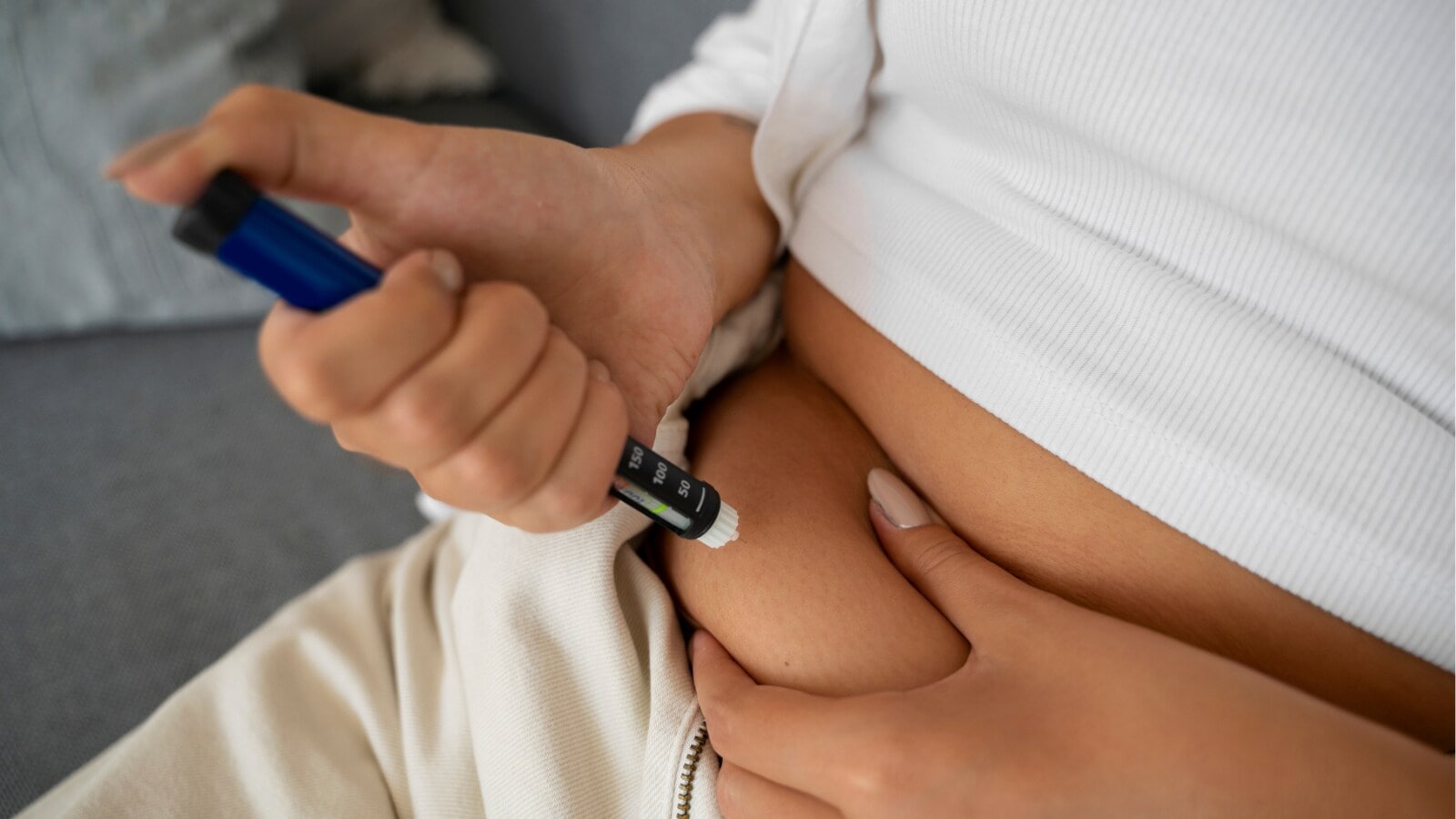
“Obesity is a chronic condition, and ongoing management is needed to maintain weight loss. Medication can be very helpful, but responses vary from person to person, and treatment may need to continue over the long term. This does not diminish the value of medicines such as semaglutide. They have given physicians another effective option and have helped bring obesity treatment into mainstream medical care,” Dr Gautam pointed out.
Surgery still has a role in the Ozempic era
Though weight-loss medicines have expanded treatment options for obesity, their role depends on the amount of weight a patient needs to lose, the associated health conditions, and the response to treatment.
“Patients with severe obesity and co-morbidities such as diabetes, sleep apnea, fatty liver disease, hypertension or joint problems often need to lose a large amount of weight to improve their health. Bariatric surgery can result in significant and sustained weight loss and improvement in metabolic health in appropriately selected patients,” Dr Gautam explained.
Lastly, he stressed that treatment should be individualised to the patient. BMI, medical conditions, previous treatment, waist circumference, and the impact of obesity on daily life should all be assessed before deciding on the most suitable approach.
Note to readers: This article is for informational purposes only and not a substitute for professional medical advice. Always seek the advice of your doctor with any questions about a medical condition.
This report is based on user-generated content from social media. .com has not independently verified the claims and does not endorse them.
Catch every big hit, every wicket with Crick-it, a one stop destination for Live Scores, Match Stats, Quizzes, Polls & much more. Explore now!.
Catch your daily dose of Fashion, Taylor Swift, Health, Festivals, Travel, Relationship, Recipe and all the other Latest Lifestyle News on Website and APPs.
See Less



Leave a Reply