How quickly do your lungs recover after you stop smoking? A pulmonologist explains what happens days, weeks, and years after quitting
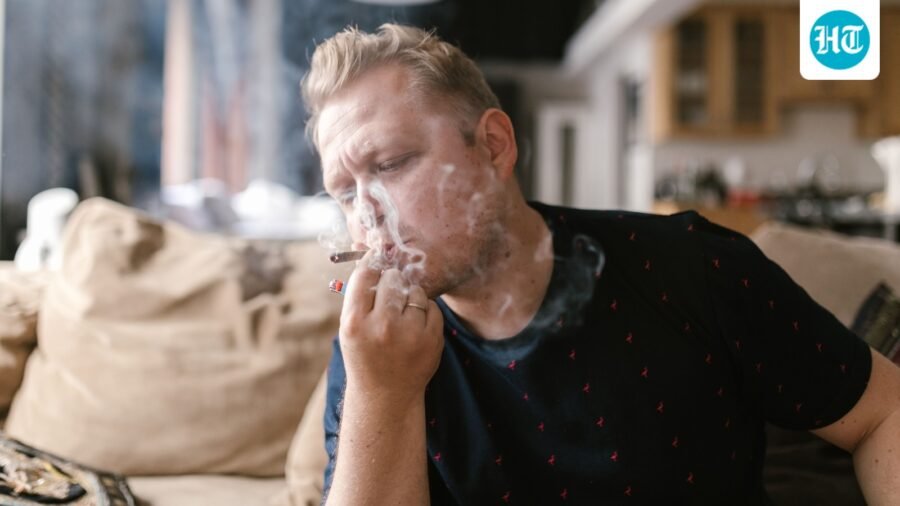
How quickly do your lungs recover after you stop smoking? A pulmonologist explains what happens days, weeks, and years after quittingUpdated on: Oct 6, 2026, 20:18:15 IST
Prefer HTon Google
Share via
Copy link
Your lungs start healing after you quit smoking. Here’s what happens in the first few days, weeks, and years.
We often think once the smoke disappears in the air, it has left our body too. However, the opposite happens: what you see vanishing in seconds, your lungs remember for months. In an interview with Lifestyle, Dr Suresh S, senior consultant pulmonologist at Gleneagles, Chennai, explained what happens after you quit smoking.
Also read | Smoking and drinking may age your brain faster: Neurologist explains how
What happens when you smoke?
According to Dr Suresh, when you inhale from a cigarette, you are inhaling more than 7000 chemicals, at least 70 of which are known carcinogens. Within 10 seconds, nicotine reaches your brain, but inside the lungs, the damage starts immediately. Fine particles and tar settle deep on the alveoli, airways swell, mucus increases, and the tiny cilia which act like a cleaning brush for the lungs, become paralysed. This is why even a young person in his 20s who smokes just 2 to 3 cigarettes a day goes to the doctor with morning cough and throat irritation.
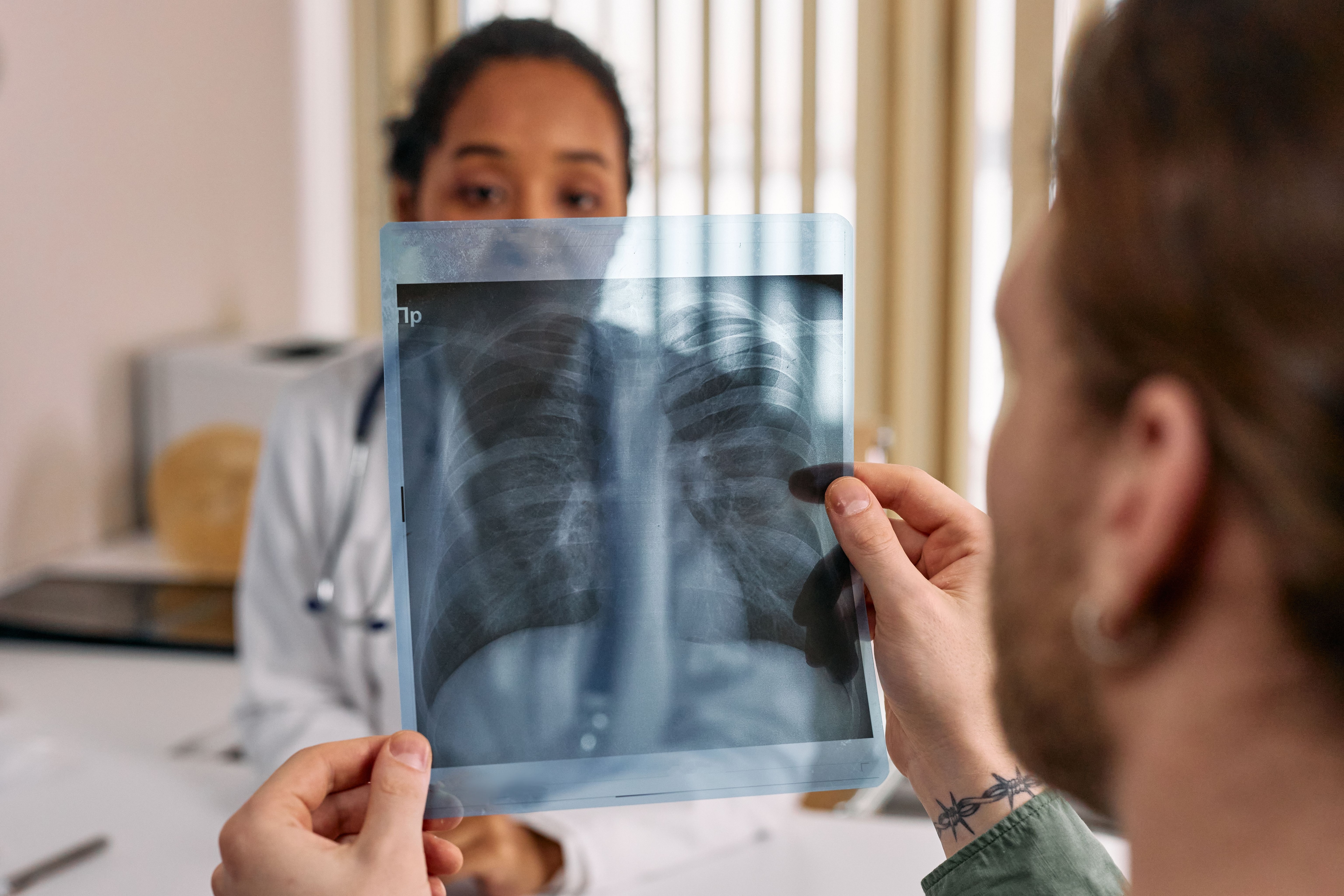
How long does it actually take to clear?
Dr Suresh highlighted that clearance happens in two phases. The visible smoke is coughed out or moved by cilia within 2 to 3 hours. But chemicals stay much longer. Carbon monoxide, which replaces oxygen in your blood, stays for 24 to 36 hours after a single cigarette. Nicotine and its by-product cotinine stay for up to 3 days in blood and up to 10 days in urine, which is why quitting feels so difficult. Tar, the sticky black residue, does not wash out easily – it coats the lung lining and can take 6 to 9 months to clear after you completely quit.
“A study published in the American Journal of Respiratory and Critical Care Medicine found that even light smoking, less than 5 cigarettes a day, can cause measurable airway inflammation and early lung function decline within 6 months, and recovery took almost as long as in moderate smokers,” highlighted Dr Suresh.
The good news is lungs do heal if you give them time. Within 20 minutes of the last cigarette, heart rate drops. Within 72 hours, breathing eases as airways relax. Within 1 to 9 months, ciliary cleaning restores. Within 1 year, excess risk of heart attack reduces by half. Within 5 to 10 years, risk of stroke and lung cancer drops by almost 50 percent compared to someone who continues.
How to quit smoking?
If you are trying to quit, do not fight nicotine with willpower alone. Nicotine rewires your reward pathway. “What has worked best for my patients is a structured plan – set a quit date and inform your family, map your triggers like morning tea, work breaks, or alcohol, replace the hand-to-mouth habit with water or a short walk, and practice 4-7-8 breathing when craving hits, which usually peaks for only 3 to 5 minutes,” suggested Dr Suresh.
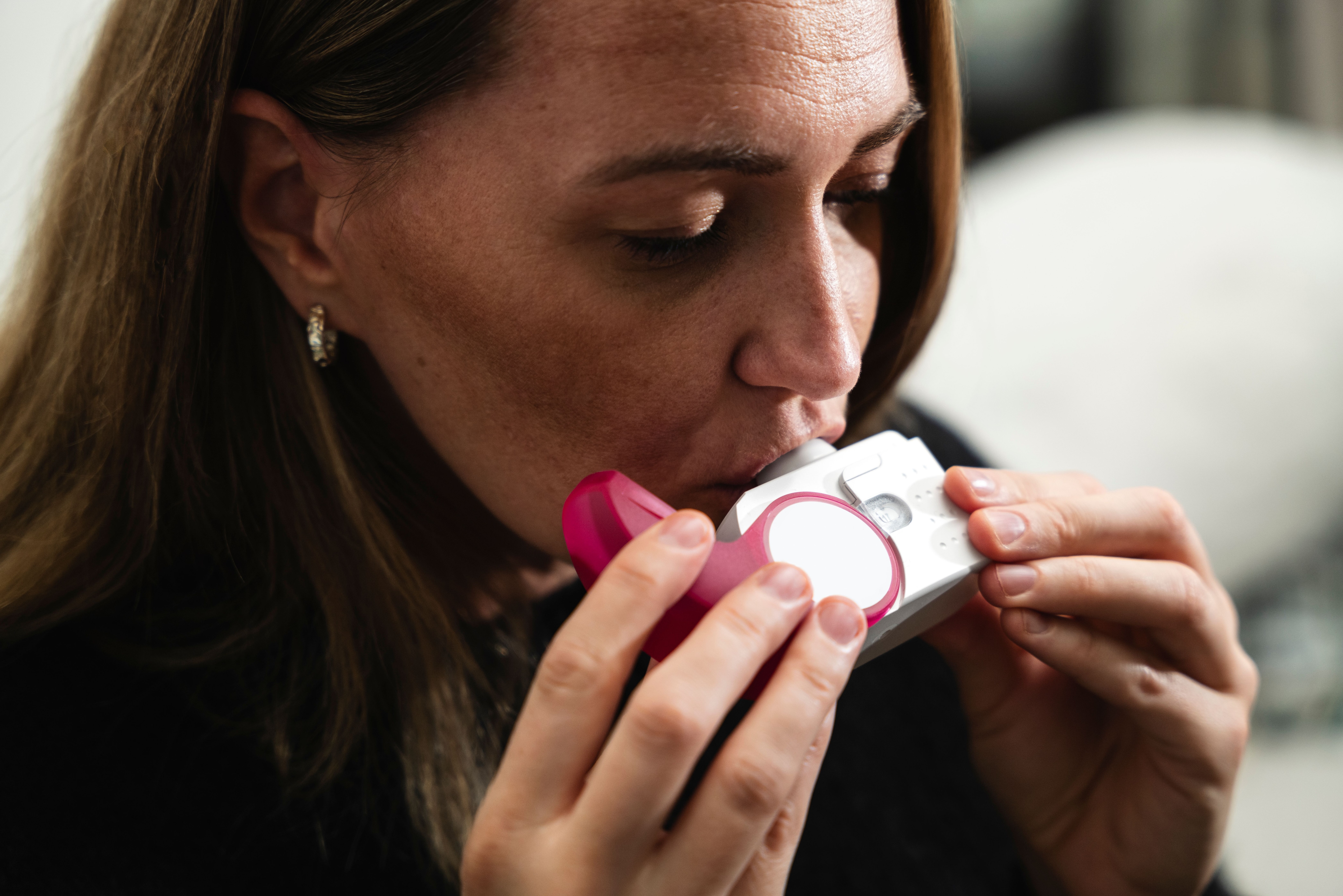
For heavy dependency, nicotine replacement in the form of gums or patches, along with counseling, doubles the success rate compared to quitting alone. The smoke you see disappears in seconds, but your lungs keep the bill for months. Quitting will not give you new lungs, but it gives your existing lungs a chance to finally clean up.
Note to readers: This article is for informational purposes only and not a substitute for professional medical advice. Always seek the advice of your doctor with any questions about a medical condition.
Catch every big hit, every wicket with Crick-it, a one stop destination for Live Scores, Match Stats, Quizzes, Polls & much more. Explore now!.
Catch your daily dose of Fashion, Taylor Swift, Health, Festivals, Travel, Relationship, Recipe and all the other Latest Lifestyle News on Website and APPs.
See Less