Vegetarian meals don’t have to be low in protein: Here’s how to build a balanced plate with everyday foods
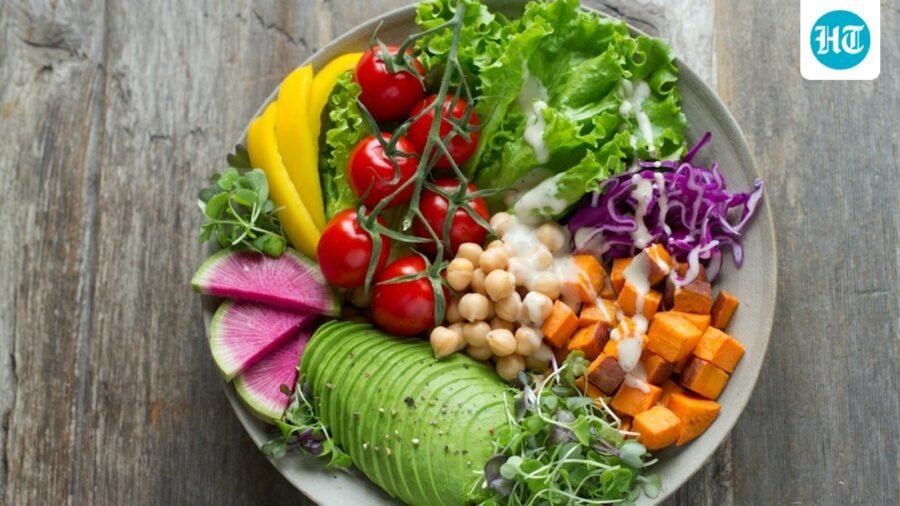
Vegetarian meals don’t have to be low in protein: Here’s how to build a balanced plate with everyday foodsUpdated on: Oct 6, 2026, 21:03:09 IST
Prefer HTon Google
Share via
Copy link
From breakfast to dinner, here’s how vegetarians can add more protein to every meal without overhauling their diet.
While a vegetarian diet can be healthy and satisfying, a vegetarian meal can not be considered nutritionally complete just by virtue of being vegetarian. Protein is one of the most popular deficiencies in vegetarian diets. A plate consisting of rice, roti, potatoes, and vegetables does not provide an adequate amount of protein for a person's normal nutritional requirements. In an interview with Lifestyle, Dr Pratyaksha Bhardwaj, world record holder in weight management, shared how vegetarians can fulfill their protein requirements.
Also read | This chocolate lava cake with 13g protein and just 166 calories, ‘supports your goals, not ruins them’: Full recipe
Importance of protein
Protein is essential to build muscle and for recovery, and also helps to keep food more filling. As such, the vegetarian should be aware not only of excluding the things he or she is cutting out but also what he or she is putting in. The easiest way to make a vegetarian meal is to have a protein source in each of the base meals.
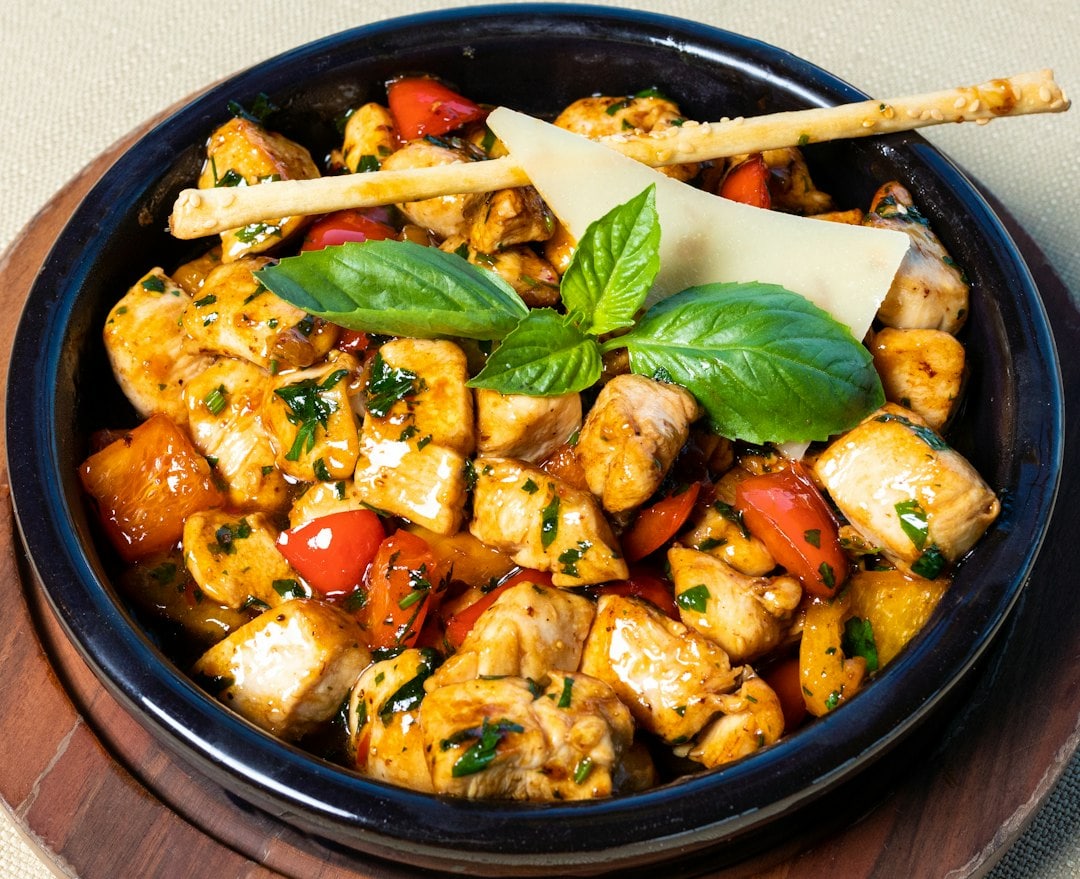
Pulses
According to Dr Pratyaksha, pulses such as dal, rajma, chole, and lobia are good alternatives. Other soy-based products are also good protein sources, including tofu and soy chunks. Dairy milk, curd, paneer, and other milk foods contribute additional protein to the daily diet for dairy consumers.
Combining food
Combination of foods is also important. “Dinner that contains dal and rice or roti will be more filling as it will have a proper balance of nutrients as compared to a carbohydrate-heavy meal,” highlighted Dr Pratyaksha. In the same way, curd or paneer can be added to a vegetable-based meal to make it more well-balanced and filling.
Snacks
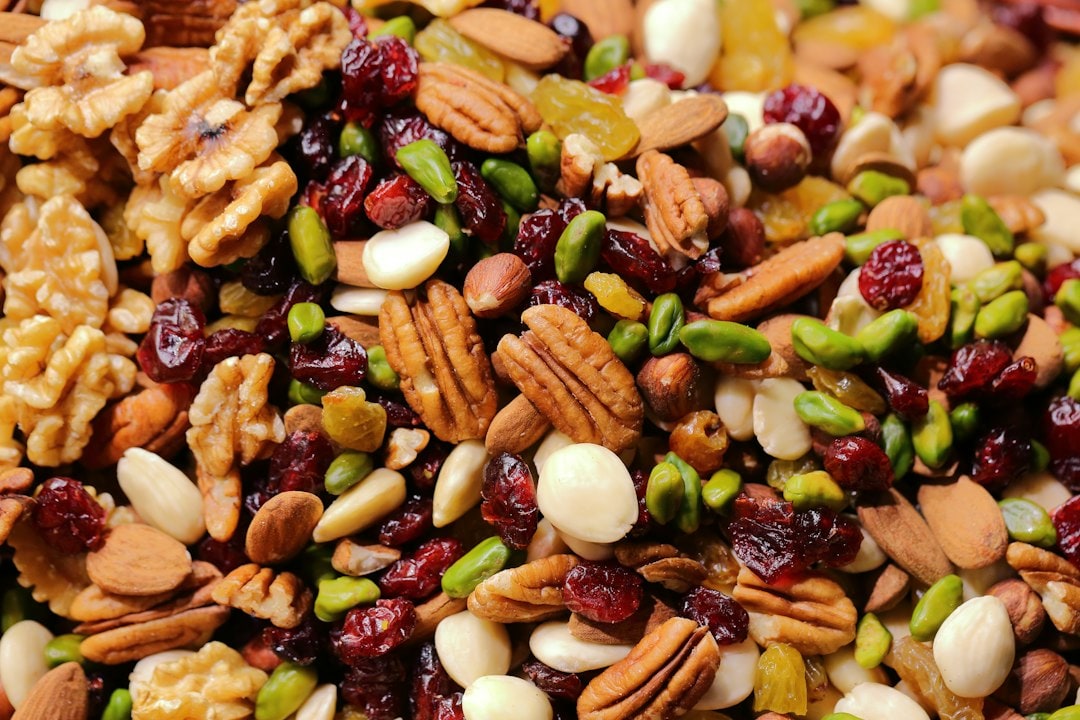
Snacks can be beneficial for increasing protein consumption. You can consider using some substitute snacks, such as dry roasted chickpeas, nuts, or seeds. You may even try more plain snacks such as sprouts, as they have fewer sugars and carbohydrates compared to other snacks.
“Serving sizes can be determined on the basis of various factors such as age, activity levels, body composition, and health status of individuals,” said Dr Pratyaksha. For instance, people involved in regular workouts may have special dietary needs when it comes to protein intake. The idea isn't to make everything too complicated. A vegetarian's meal can be simple: A solid protein source along with vegetables and whole grains. Vegetarian dishes can be varied, nourishing, and can have adequate protein without relying on eggs or meat, with a little bit of planning.
Note to readers: This article is for informational purposes only and not a substitute for professional medical advice. Always seek the advice of your doctor with any questions about a medical condition.
Catch every big hit, every wicket with Crick-it, a one stop destination for Live Scores, Match Stats, Quizzes, Polls & much more. Explore now!.
Catch your daily dose of Fashion, Taylor Swift, Health, Festivals, Travel, Relationship, Recipe and all the other Latest Lifestyle News on Website and APPs.
See Less