Monkey vs langur: How to spot the difference
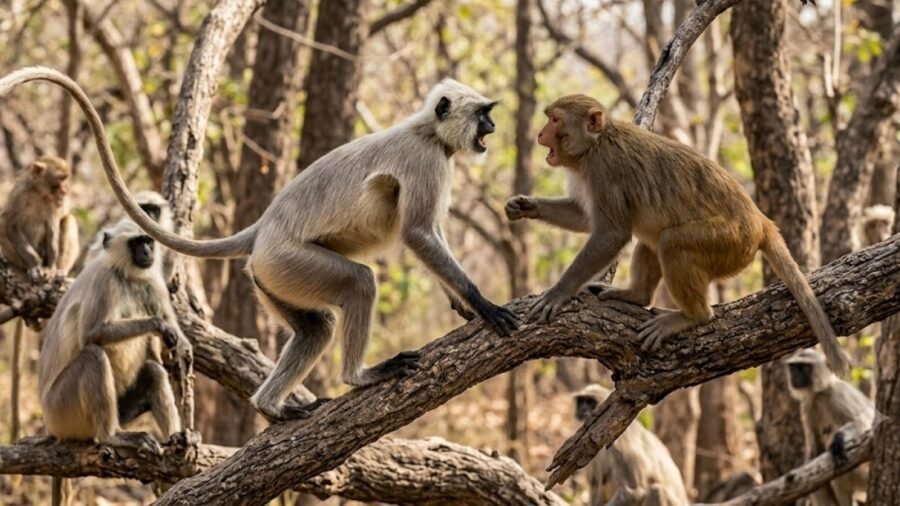
If you spot a primate near a residential area, market or forest, it can be easy to assume that every animal is simply a “monkey”. But macaques and langurs differ noticeably in appearance, diet, and behaviour.
“Langurs are also monkeys biologically. However, in everyday usage, the word ‘monkey’ is commonly used for macaques and similar smaller species,” explains Dr Vinod Sharma, Director and Head of Veterinary Services at DCC Animal Hospital & Petcare, Gurugram.
Story continues below.
Subscribe to see fewer ads.
So, how can you tell them apart?
Look at their face, body and tail. One of the easiest ways to distinguish the two is by looking at their overall build and facial features.
“Macaques generally have a smaller, stockier body, a pinkish or brown face and a relatively shorter tail,” says Dr Sharma. Langurs, on the other hand, are usually taller and slimmer. They tend to have a black face, very long limbs and a long tail, with grey or pale-coloured fur.
“In comparison, langurs have a slender body, elongated limbs and tail, along with a characteristic dark face,” Dr Sharma explains.
What do they eat?
“Macaques are opportunistic feeders. Their diet can include fruits, seeds, insects, crops and food that they obtain from humans,” says Dr Sharma.
Story continues below this ad
Langurs mainly feed on leaves, shoots, flowers, fruits and grass. Their preference for plant-based foods means they can spend considerable time foraging in trees or vegetation.
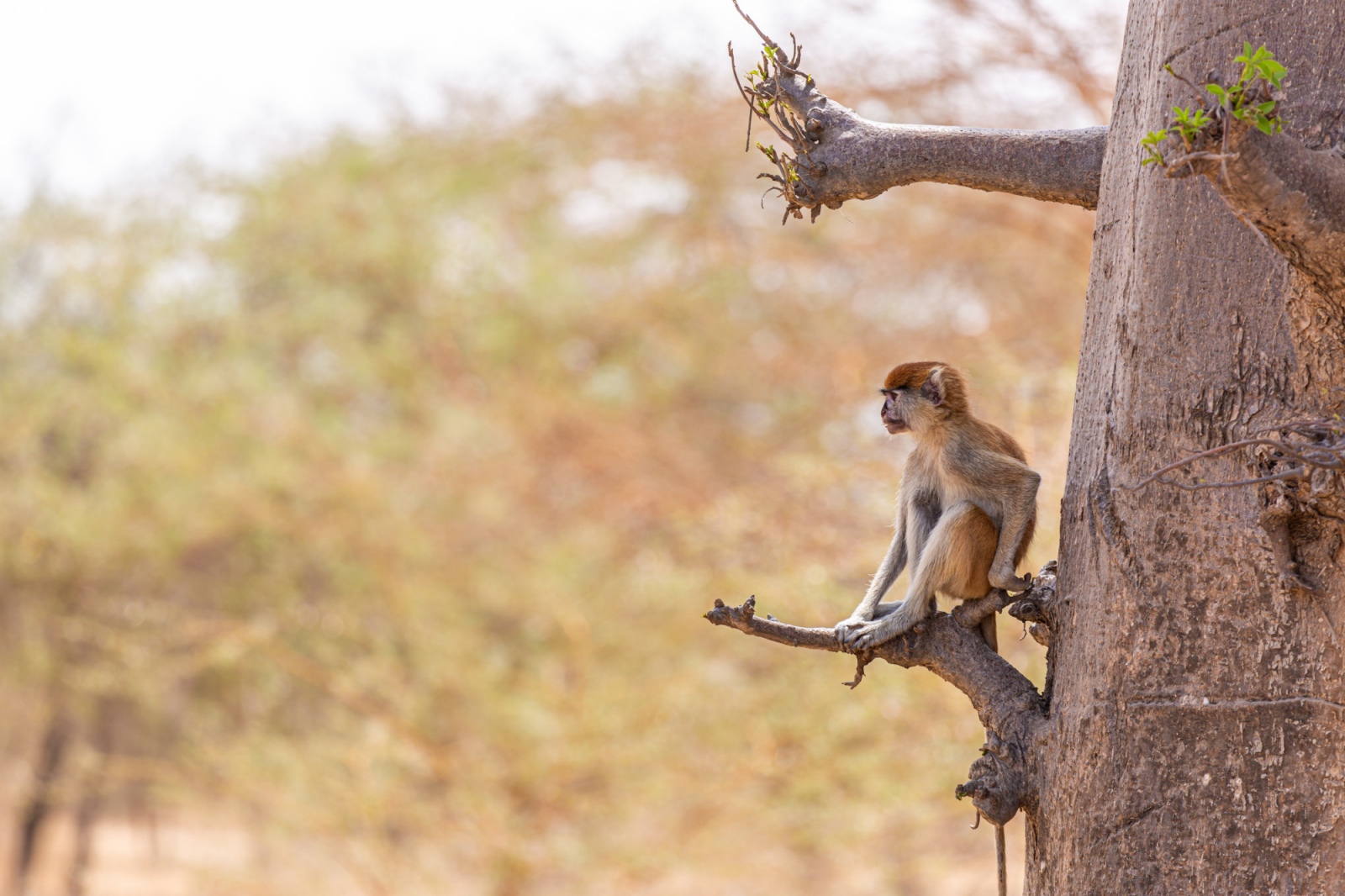 Monkey vs Langur
How does their behaviour differ?
“Macaques are generally more opportunistic and can become bold, particularly around food. This can sometimes make them appear aggressive when competing for food or handouts,” says Dr Sharma.
Langurs are generally more cautious and may spend more time in trees or areas away from crowds, although they can also enter human settlements when food or vegetation is available.
Why do monkeys enter human settlements?
If you live near a forested area, you may have seen macaques around homes, markets or roads. “Macaques are more likely to enter towns, homes and markets because they readily seek food from people, rubbish and handouts,” Dr Sharma says.
Story continues below this ad
Langurs can also enter settlements, particularly when trees, crops or other food sources are nearby, but they generally do so less frequently and are less likely to aggressively seek food from people.
What should you do if you encounter one?
“Stay calm, maintain a safe distance and give the animal a clear escape route,” advises Dr Sharma. He recommends not feeding, chasing, teasing, staring at, closely photographing or attempting to touch the animal.
People should also secure food and plastic bags and keep children and pets away. “Never approach a mother with a baby or corner the animal,” he adds.
If a monkey or langur enters a building, Dr Sharma suggests leaving doors or windows open, where safe to do so, and allowing the animal to exit on its own. If it does not leave, contact local forest or wildlife authorities rather than attempting to remove it yourself.
Story continues below this ad
What if you are bitten or scratched?
“If you are bitten or scratched, wash the wound thoroughly and seek urgent medical attention for rabies assessment and tetanus advice,” says Dr Sharma.
The safest approach is therefore to observe these animals from a distance rather than attempting to interact with them — even if they appear calm or accustomed to people, he adds.
Explore more captivating stories about pets and animals here, and make us your daily stop for the latest from the animal kingdom.

In India’s education debate, the ‘fourth language’ we are leaving out
By Sohail Khan · 3 Oct

Leave a Reply