How to calculate your daily protein requirement
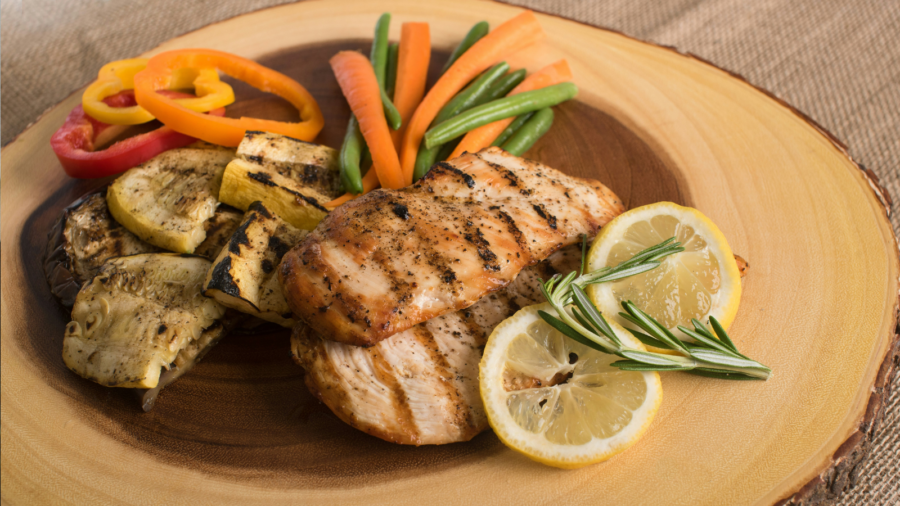
Protein has become a major focus in conversations about fitness, weight management, and healthy ageing. But how much do you actually need every day? And does everyone need the same amount?
According to Dt Amreen Sheikh, Chief Dietician, KIMS Hospitals, Thane, protein requirements are primarily calculated based on body weight, but several other factors can influence an individual’s needs.
How much protein do you need?
“For a healthy adult, the ICMR-NIN recommendation is about 0.83 g of protein per kg of body weight each day,” said Sheikh. For example, a person weighing 60 kg would need approximately 50 g of protein a day based on this recommendation.
Story continues below.
Subscribe to see fewer ads.
However, this is not a one-size-fits-all number. “Factors such as age, body weight, level of physical activity and life stage can affect personal protein needs,” Sheikh explained.
People who exercise regularly, older adults and those trying to preserve muscle mass may require more protein than a sedentary adult.
How can you calculate your protein requirement?
A simple starting point is to multiply your body weight in kilograms by the recommended amount of protein per kilogram, explained Sheikh. For instance, at the general recommendation of 0.83 g/kg, a 60-kg adult would need around 50 g of protein per day.
Story continues below this ad
But someone who exercises regularly may need more. “The requirement will be greater and should be determined taking into account the type, intensity and frequency of the training as well as the individual’s overall diet and aims,” Sheikh said.
If your goal is to build or maintain muscle, however, simply increasing protein intake is not enough. “Just raising protein intake is not sufficient. It is also necessary to carry out resistance training and to consume adequate calories together with a well-balanced amount of both carbohydrates and healthy fats,” she said.
View this post on Instagram
A post shared by Healthy 100 with Dr. Prasun Chatterjee (@dr.prasun.chatterjee)
Is it better to spread protein through the day?
“Protein is more efficiently used when it is taken in several meals rather than all being consumed in a single large meal,” she said. This can also make it easier to meet your daily requirement without relying heavily on supplements.
Do you need protein shakes or supplements?
“You need not obtain your protein solely from shakes or supplements, since ordinary foods can make a significant contribution,” Sheikh said.
Depending on your dietary preferences, options include dal, beans, chickpeas, rajma, soy, paneer, curd, milk, eggs, fish, chicken, nuts and seeds. One practical approach is to include at least one protein-containing food at each main meal. For example, breakfast could include eggs, milk or curd; lunch could include dal, rajma or chole; and dinner could include paneer, soy, eggs or another protein source.
Story continues below this ad
What about protein for vegetarians?
.“Eating cereals and pulses, like roti with dal or rice with rajma, also helps to improve the total protein quality of a vegetarian meal,” Sheikh explained.
The focus, therefore, should not be on eating as much protein as possible. “One should concentrate on consistently meeting the requirement by eating a wide and well-balanced diet rather than trying to consume a very high amount of protein,” Sheikh said.

Christa Pike execution fails after 2 attempts: How do lethal injections go wrong?
By Sohail Khan · 1 Oct
AI global governance needs China to sign on
By Sohail Khan · 1 Oct

Leave a Reply