From irritation to corneal damage: An ophthalmologist explains why you should stop rubbing your eyes
From irritation to corneal damage: An ophthalmologist explains why you should stop rubbing your eyesUpdated on: Oct 4, 2026, 18:36:38 IST
Prefer HTon Google
Share via
Copy link
Frequent eye rubbing may do more harm than good. Here's how the habit could affect your vision.
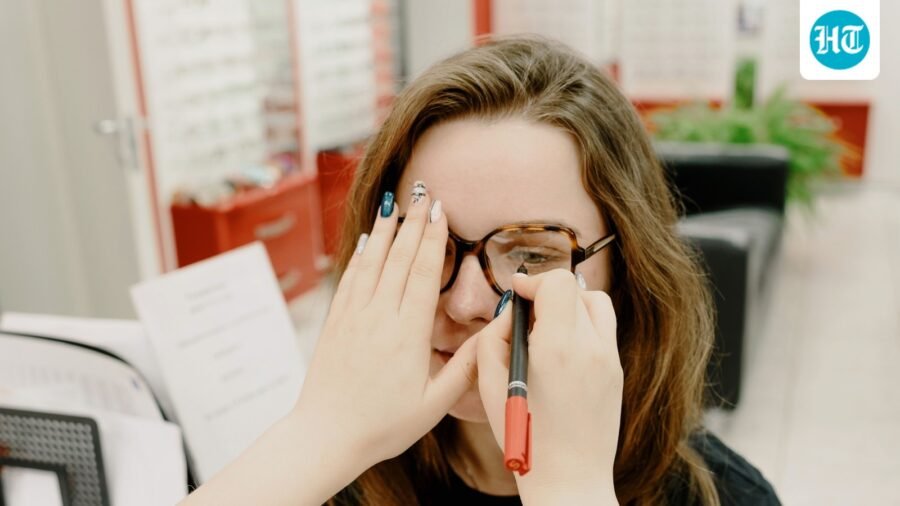
Rubbing the eyes feels harmless because most of us do it instinctively when we are tired, itchy, or exposed to dust. An occasional gentle touch is unlikely to cause lasting harm. The concern begins when rubbing becomes frequent, vigorous, or a daily response to irritation. In an interview with Lifestyle, Dr Sharoon Shitole, consultant ophthalmologist and managing director, Vencer Hospital, Pune, explains the risks you should know about frequent eye rubbing.
Also read | Gurgaon ophthalmologist says watery eyes don’t always mean healthy eyes; dry eye disease could be the hidden cause
Habit of frequent eye rubbing
Dr Sharoon highlighted that the cornea, the clear front surface of the eye, is not designed to tolerate repeated mechanical stress. Habitual eye rubbing has been strongly associated with keratoconus, a condition in which the cornea gradually becomes thinner and bulges forward into a cone-like shape. “This can lead to increasing astigmatism, blurred or distorted vision and, in advanced cases, the need for specialised treatment,” explained Dr Sharoon.

Reasons behind frequent eye rubbing
“The concern is particularly relevant in younger people because keratoconus often begins during adolescence or early adulthood and may progress over time,” said Dr Sharoon. Forceful rubbing can also produce temporary rises in pressure inside the eye and further irritate the ocular surface. If hands are unclean, rubbing may transfer allergens, irritants, or microorganisms to the eye. People who have recently undergone eye surgery should be especially careful, as healing tissues should not be subjected to unnecessary pressure.
According to Dr Sharoon, persistent itching may indicate an allergy. Burning, grittiness, and the urge to rub can occur with dry-eye disease. Long hours on digital devices may also reduce normal blinking and worsen surface dryness. Simply telling someone to stop rubbing therefore addresses the habit, but not necessarily its underlying cause.
How to prevent eye rubbing?
A clean cold compress may provide temporary relief from itching. Recurrent symptoms, however, deserve an eye examination. Lubricating drops may help some patients, while allergies may require specific treatment. Frequent changes in spectacle power, increasing astigmatism, glare, distorted vision, or worsening vision despite new glasses should also prompt an ophthalmic assessment.
Eye health is best protected before vision becomes significantly affected. Eye rubbing may seem like a small habit. When it becomes frequent, it can be a sign that the eye needs attention rather than more pressure.
Note to readers: This article is for informational purposes only and not a substitute for professional medical advice. Always seek the advice of your doctor with any questions about a medical condition.
Catch every big hit, every wicket with Crick-it, a one stop destination for Live Scores, Match Stats, Quizzes, Polls & much more. Explore now!.
Catch your daily dose of Fashion, Taylor Swift, Health, Festivals, Travel, Relationship, Recipe and all the other Latest Lifestyle News on Website and APPs.
See Less



Leave a Reply