Can a short walk after meals make a difference to your wellbeing? Cardiologist weighs in on its heart health benefits

Can a short walk after meals make a difference to your wellbeing? Cardiologist weighs in on its heart health benefitsPublished on: Oct 6, 2026, 16:27:13 IST
Prefer HTon Google
Share via
Copy link
Walking after meals: Know what are the benefits of short walks after meals and why you need to make it a habit.
Walking is touted as a great way to support your health, and taking a short stroll after meals is a common recommendation. It sounds like simple advice, but what happens inside your body when you walk after eating? The advice may seem so simple that some choose to overlook it, turning instead to hardcore routines. But could a short walk after meals actually benefit you?
We asked a cardiologist about the benefits of walking after meals. Dr Deepak Agarwal, senior consultant in adult cardiology at Narayana Hospital, Jaipur, weighed in on how this habit can support blood sugar control, blood pressure management, and long-term heart health.
How does walking benefit blood sugar management?
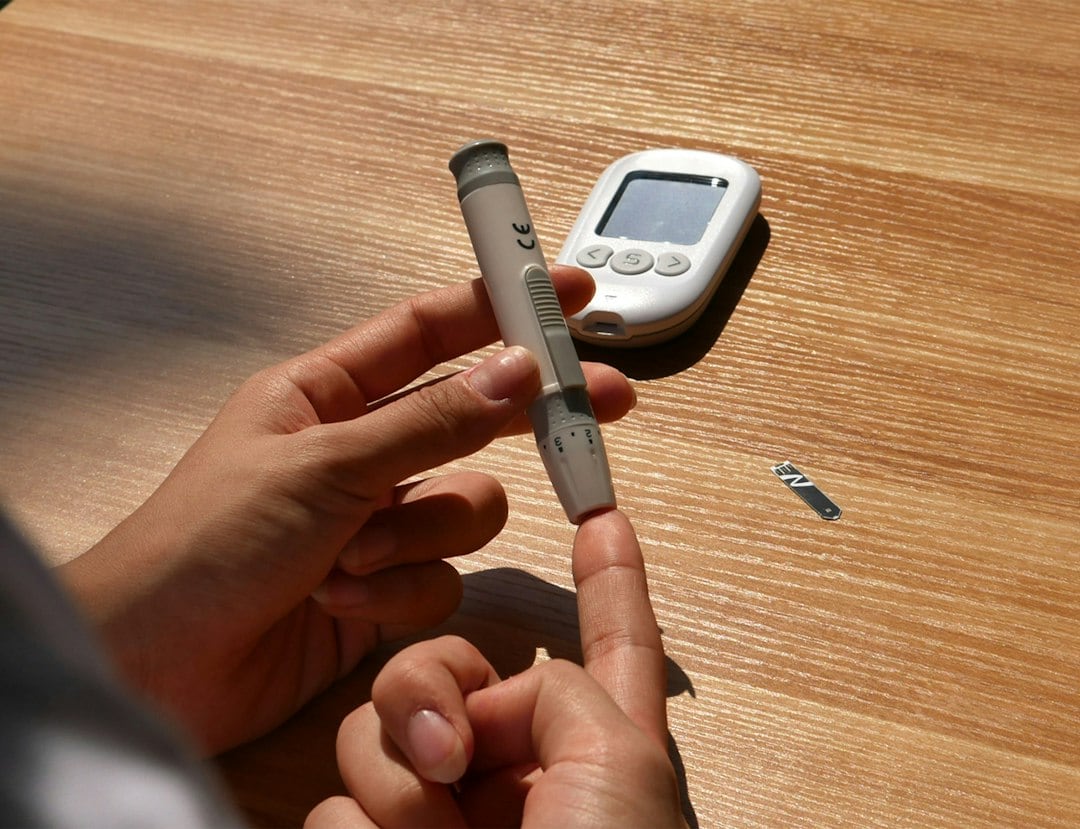
After you eat, the carbohydrates in your food are broken down into glucose, causing your blood sugar levels to rise. Walking after meals can help regulate this rise. Dr Agarwal described how this works: "When you walk, the muscles that are contracting are able to take in glucose and use it as a source of energy. Moreover, physical activity increases insulin sensitivity so that the body can manage glucose more efficiently.”
When you walk, your muscles use glucose for energy, helping to reduce the rise in blood sugar after a meal. You do not need a strenuous workout to benefit; even light to moderate walking after eating can help manage blood sugar levels.
How does walking support blood pressure?
The expert clarified that walking does not generally lead to a sudden, immediate reduction in blood pressure after each meal. However, regular walking can help improve blood pressure control over time. Even lower-intensity activity that breaks up longer periods of sitting can provide positive results.
How does walking benefit your long-term heart health?
Both blood sugar and blood pressure are linked to heart health, and walking can help manage both. But its benefits depend on consistency; it is not a quick fix. The cardiologist emphasised that long-term health benefits come from making walking a regular part of your daily routine, rather than taking an occasional walk after meals or walking for just a few days.
“By walking regularly, you can improve your blood pressure, blood sugar levels, body weight, and other factors that contribute to cardiovascular risk, all of which have an effect on long-term heart health. The American Heart Association advises most adults to do at least 150 minutes of moderate-intensity aerobic activity each week,” Dr Agarwal elaborated on the recommended physical activity duration.
The parting advice is to make walking after meals a regular habit instead of an occasional leisurely stroll! But long-term health protection stems from a collection of healthy habits, not just postprandial walks. One also needs to ensure these: a balanced diet, sufficient sleep, weight control, and regular exercise. Daily walks should complement your daily workout routine, not act as a substitute.
Note to readers: This article is for informational purposes only and not a substitute for professional medical advice. Always seek the advice of your doctor with any questions about a medical condition.
Catch every big hit, every wicket with Crick-it, a one stop destination for Live Scores, Match Stats, Quizzes, Polls & much more. Explore now!.
Catch your daily dose of Fashion, Taylor Swift, Health, Festivals, Travel, Relationship, Recipe and all the other Latest Lifestyle News on Website and APPs.
See Less




Leave a Reply