‘Authorities can’t play hide and seek’: Bombay HC on why civic participation is needed
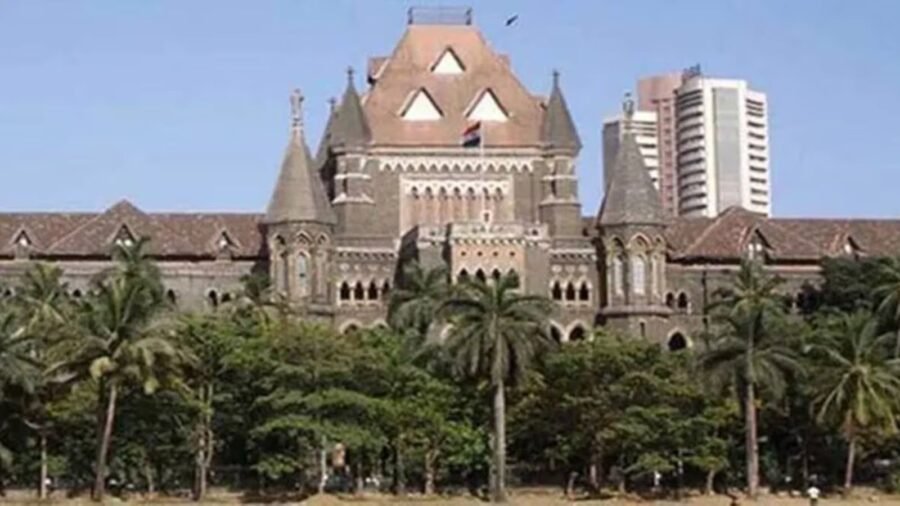
The Bombay High Court on Thursday, October 1, noted that civic participation develops a sense of ownership among the citizens, strengthening their commitment to the welfare of the society. The High Court also said that democracy thrives and its principles are upheld when citizens are permitted to “voice their concerns and hold elected officials accountable.”
The High Court observed that “civic participation is fundamental to the thriving of a democracy” as “it fosters a sense of ownership and responsibility amongst citizens and strengthens their commitment to the collective welfare of the society.”
In observing so, the court suggested that the state government consider establishing “community oversight committees” consisting of stakeholders to “monitor and evaluate” civic authorities’ activities and ensure “transparency and accountability”, and asked the authorities to “honour and give effect to the principles of ‘communication’ and ‘openness’.”
Story continues below.
Subscribe to see fewer ads.
The observations were made by a bench of Justices Ajey S Gadkari and Kamal R Khata when it was hearing a plea filed by 73-year-old Navi Mumbai resident Sandeep Thakur, challenging the Navi Mumbai Municipal Corporation’s (NMMC) decision to give a concession to five developers from providing 15 percent of the plot area as Recreational Open Spaces (ROS) on the ground, in addition to podium gardens during redevelopment.
Thakur sought the withdrawal of concessions, claiming that they deprived residents of ground open-to-sky ROS of their own.
The bench dismissed it as “without merit”.
The HC said the petitioner “failed to demonstrate perversity” in NMMC’s decision. It noted that “various factors” including lack of expertise in the field, selectively targeting five societies, vague petition, “weighed against the petitioner,” who had claimed evasive and vague replies to his RTI application, lending credence to authorities’ terming the PIL ” motivated by publicity.”
However, it added, “the state authorities must be transparent in their functions” and “they cannot play hide and seek with the public.”
Story continues below this ad
The HC added that to deal with citizens’ concerns and local issues, civic authorities can convene meetings to address their grievances and propose solutions, and provide a “platform for direct interaction between citizens and elected officials, fostering dialogue and collaboration in addressing community needs.”
It also suggested the use of digital platforms where physical meetings were not feasible for efficient redressal of civic issues.



Leave a Reply