5 ‘silent signs’ of high blood sugar: Doctor explains which symptoms really matter
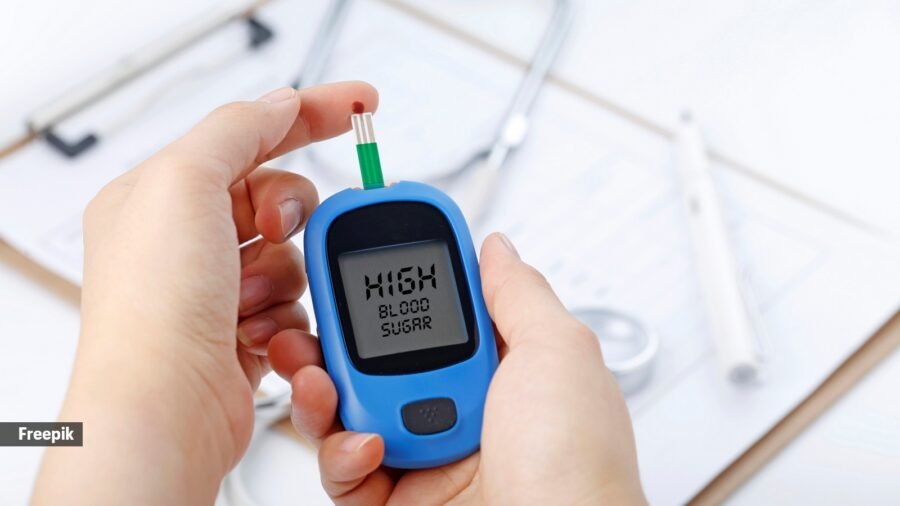
Story continues below.
Subscribe to see fewer ads.
Excessive thirst and frequent urination
Of the symptoms listed, excessive thirst is more closely associated with high blood sugar, particularly when it occurs alongside frequent urination, tiredness, blurred vision or unexplained weight loss.
“High blood glucose can cause your body to get rid of more water through your urine, which can leave you feeling thirstier,” said Chawla.
When blood glucose levels remain high, the kidneys try to remove the excess glucose through urine. This can increase fluid loss and, in turn, make a person feel unusually thirsty.
Itchy or dry skin
Itchy skin can also occur in people with diabetes, although it is not exclusive to the condition.
Story continues below this ad
“High blood sugar can lead to dehydration, which causes skin changes. Recurrent fungal infections are also itchy, and more common when blood sugar is high,” Chawla explained.
However, itching can have several other causes, including dry skin, allergies and skin conditions. So persistent itching alone doesn’t necessarily mean blood sugar is elevated.
What about sugar cravings?
Sugar cravings are commonly linked to high blood sugar on social media, but the relationship is not that straightforward. “Cravings and body aches may be related to diet, physical activity, sleep problems or other health conditions,” Chawla said.
Similarly, experiencing a craving for sweets does not, by itself, indicate that a person has high blood glucose.
Story continues below this ad
 Severe stress, sleep deprivation, corticosteroids and some other medications can temporarily raise glucose
Can poor sleep be a sign?
Poor sleep is also not a specific symptom of high blood sugar. Stress, lifestyle, sleep habits and several health conditions can affect sleep quality. In fact, the relationship can work in the opposite direction too. “Not sleeping enough can directly affect how efficiently your body uses insulin,” Chawla said.
This means that consistently poor sleep may influence blood sugar regulation, but waking up tired or sleeping poorly should not automatically be interpreted as a sign of diabetes.
What about body aches and nerve pain?
General body aches aren’t specific to high blood sugar. However, persistently elevated blood glucose over time can damage nerves and contribute to diabetic neuropathy, which may cause symptoms such as burning, tingling, numbness or pain, particularly in the feet and hands.
Still, Chawla emphasised that symptoms alone cannot establish whether someone’s blood sugar is high.
Story continues below this ad
“Symptoms by themselves are not enough to confirm that someone has too much sugar in the blood. You need a blood test to know whether blood glucose is really high or not,” she said.
When should you get your blood sugar checked?
If excessive thirst, frequent urination, unusual tiredness, blurred vision, unexplained weight loss or recurrent infections occur together or persist over time, it is sensible to get blood sugar tested rather than waiting for symptoms to become severe, according to Chawla.
Importantly, diabetes and prediabetes can sometimes occur with few or no symptoms. People with risk factors should therefore consider routine screening even if they feel well.
“Tests may include fasting blood glucose and HbA1c, as per the doctor’s discretion,” Chawla said.
Story continues below this ad

Lung cancer is India’s deadliest cancer. So why don’t we screen for it?
By Sohail Khan · 3 Oct
5 bedrooms, mountain views and a cricket room: Inside Ajinkya Rahane’s Igatpuri retreat
By Sohail Khan · 3 Oct

Leave a Reply