Why wait until 50? Heart health checks that may be worth discussing with your doctor earlier
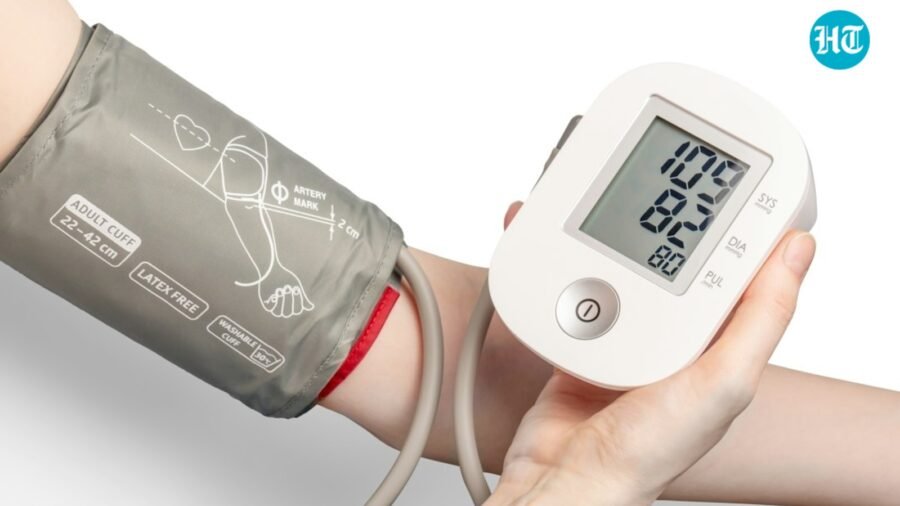
Why wait until 50? Heart health checks that may be worth discussing with your doctor earlierUpdated on: Sep 29, 2026, 19:17:47 IST
Prefer HTon Google
Share via
Copy link
From blood pressure and cholesterol to blood sugar and family history, here are the heart checks that can help identify cardiovascular risk much earlier.
For many people, heart health becomes a concern only after 40 or 50, when routine health packages start including more cardiac tests. But cardiovascular risk does not suddenly appear after a particular birthday. Some of the factors that contribute to heart disease can remain silent for years before a person develops symptoms. This makes preventive checks important much earlier, particularly for people with a family history of heart disease, diabetes, high blood pressure, obesity, smoking or a sedentary lifestyle.
In an interview with Lifestyle, Prof Dr Mohsin Wali, Senior Consultant & Director, Internal Medicine, Pacific OneHealth Hospital, New Delhi, shares the key heart-health checks that adults should consider before 50, particularly when risk factors such as high blood pressure, diabetes, obesity or family history are present.
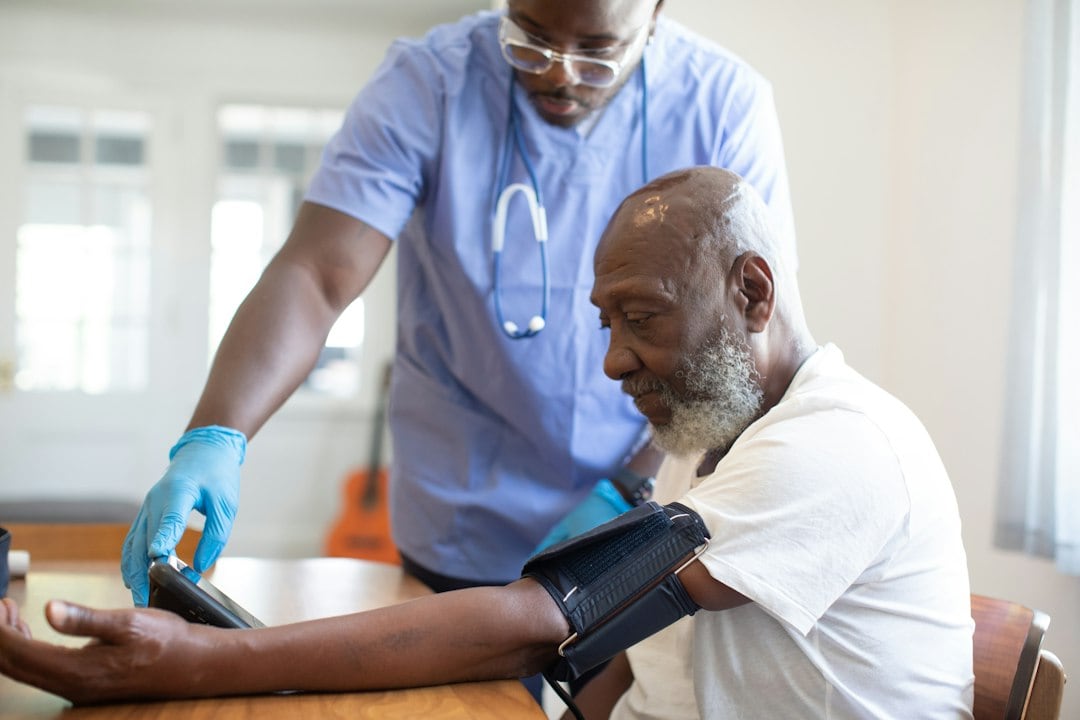
Blood pressure
High blood pressure can develop without causing any obvious symptoms, which means a person can feel completely well while the condition is gradually increasing cardiovascular risk. “Many people associate hypertension with older age, but the process can begin much earlier. Regular blood pressure checks give us an opportunity to identify the problem before complications develop,” said Dr Wali. A blood pressure check is simple and non-invasive and can be done during a routine consultation.
Cholesterol
Unlike chest pain or breathlessness, high cholesterol usually does not announce itself. An abnormal lipid profile, particularly elevated LDL cholesterol, can contribute to the gradual development of plaque in the arteries. This process may continue silently for years. “Cholesterol is one of the risk factors that we need to identify early because its effects are cumulative. Waiting until somebody is 50 before looking at their lipid profile may mean missing an opportunity for prevention,” highlighted Wali. A lipid profile generally measures total cholesterol, LDL cholesterol, HDL cholesterol, and triglycerides.
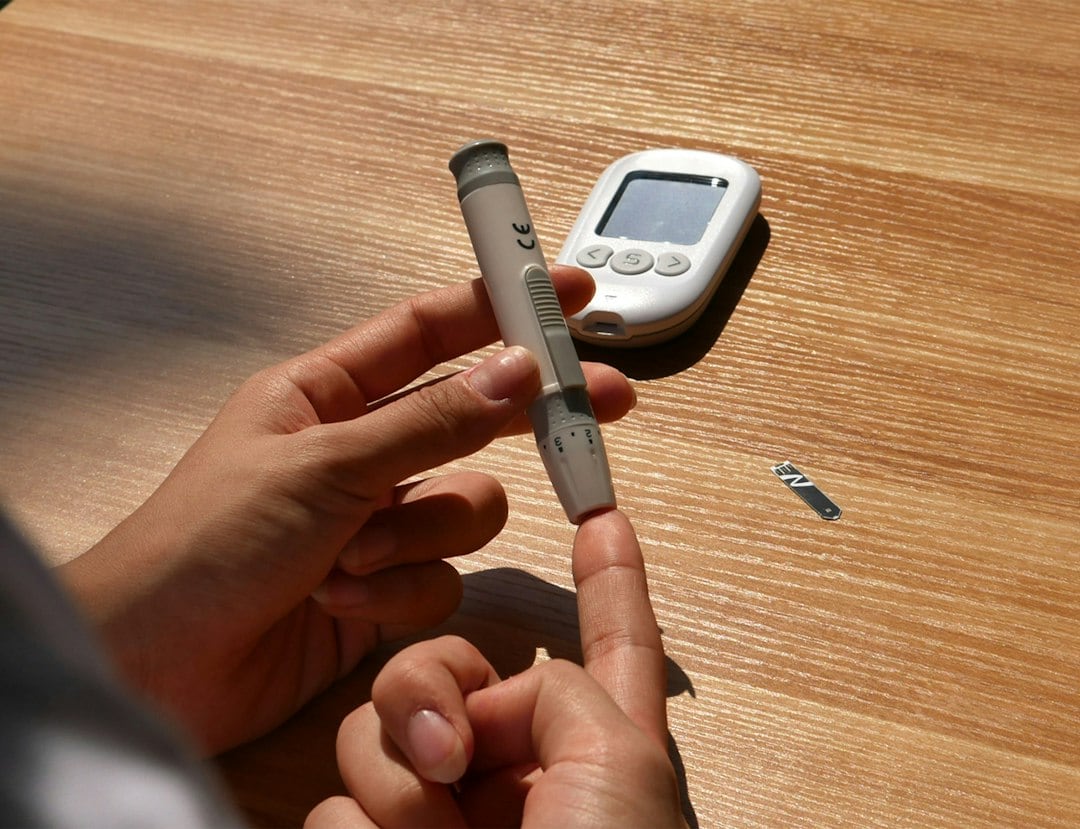
Blood sugar
According to Dr Wali, blood sugar is often viewed only through the lens of diabetes, but metabolic health and cardiovascular health are closely connected. Persistently elevated blood glucose can damage blood vessels and increase the risk of cardiovascular disease. For this reason, fasting blood glucose or HbA1c may form part of a person's preventive health assessment, depending on individual risk. If you have excess weight, high blood pressure, abnormal cholesterol or a family history of diabetes, you should not wait for symptoms before checking your blood sugar.
When should you actually start?
There is no single age at which every person should undergo the same cardiac screening package. A healthy 30-year-old with no symptoms and no significant risk factors may need a very different approach from a 35-year-old with hypertension, obesity, diabetes and a strong family history of premature heart disease. What matters is not waiting for 50 to become the starting point for prevention.
“Heart disease does not begin on the day a person turns 50. The risk factors often develop much earlier. Preventive screening helps us identify those risks when there is still an opportunity to modify them,” explained Dr Wali.
Note to readers: This article is for informational purposes only and not a substitute for professional medical advice. Always seek the advice of your doctor with any questions about a medical condition.
Catch every big hit, every wicket with Crick-it, a one stop destination for Live Scores, Match Stats, Quizzes, Polls & much more. Explore now!.
Catch your daily dose of Fashion, Taylor Swift, Health, Festivals, Travel, Relationship, Recipe and all the other Latest Lifestyle News on Website and APPs.
See Less




Leave a Reply