Mapping seven months of Iran war, from Hormuz to the Red Sea | HT Immersive
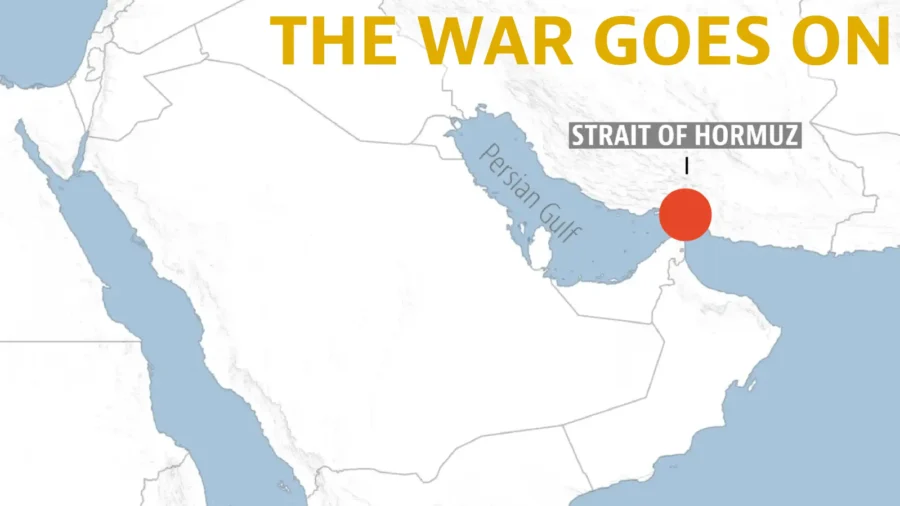
Why can't ships go around Hormuz?
Seven months of turbulence
From the killing of Iran's Supreme Leader to a deadly strike on a girls' school, from an energy crisis that spiralled across several nations far beyond West Asia to hectic mediation efforts, the conflict has seen several pivotal moments.
Beyond the battlefield casualties, the Strait of Hormuz has been at the centre of the conflict. The strait is a narrow energy chokepoint through which a huge share of the world's oil and gas normally flows. Its disruption has rippled through energy markets. The fighting has also proved deadly for seafarers.
Scroll to see how the conflict has unfolded.
The first wave
On February 28, the US and Israel began striking Iran. The first wave hit Tehran's government quarter, killing Supreme Leader Ali Khamenei and dozens of senior officials, then spread to bases, depots and naval ports. In Minab, a strike on a girls’ school beside a Revolutionary Guard naval base killed at least 156 people, most of them children; US officials told Reuters that US forces were likely responsible.
Iran hit back within hours at Israel and at US bases and cities across the Gulf. The UAE took the heaviest fire. A drone killed six US soldiers in Kuwait.
Closing Hormuz
Before the war, about 140 tankers a day crossed the Strait of Hormuz. On March 2, Iran's Revolutionary Guard declared it closed to “unfriendly nations”, and traffic fell almost to zero. Iranian drones, missiles and explosive boats hit more than 20 merchant ships in March. Iran now claims a supervision zone, across the strait’s narrowest stretch.
From April 13, the US Navy blockaded Iranian ports and fired on tankers it said carried Iranian oil. At least seven Indian seafarers have been killed by Iranian and US fire, three of them on the tanker ‘Settebello’.
The way around
Iraq, Kuwait, Bahrain and Qatar have no other sea route for their oil and gas. Only two pipelines bypass the strait: Saudi Arabia's East-West line to Yanbu, and the UAE’s line to Fujairah. Energy plants were hit too: Israel struck Iran's South Pars gas plants on March 18, and Iranian missiles badly damaged Qatar's Ras Laffan hours later.
With Hormuz shut, Saudi Arabia sent exports west through the East-West pipeline. On September 10 and 11, drones launched from Iraq set pumping stations ablaze. The kingdom had to shut the line for repairs for weeks.
A second chokepoint
Oil loaded on the west coast must still pass Bab al-Mandab, between Yemen and the Horn of Africa. Saudi exports on that route hit 3.5 million barrels a day in June, up from 240,000 a year earlier.
In July, though, a fragile truce in Yemen collapsed and Iran-backed Houthis declared an embargo on Saudi shipping. The group has since hit Saudi Aramco’s Jizan refinery and killed six aboard the cargo ship Tihamah. In September, Houthis took Mokha port and Perim, the island that splits the strait in two.

Gold price today: Why is gold near a 7-week low as oil prices rise?
By Sohail Khan · 29 Sep
Ukrainian tourists sit on sea turtle in Oman, viral video prompts legal action
By Sohail Khan · 29 Sep

Leave a Reply