We wanted to make an epic gay drama for everyone: La Bola Negra directors
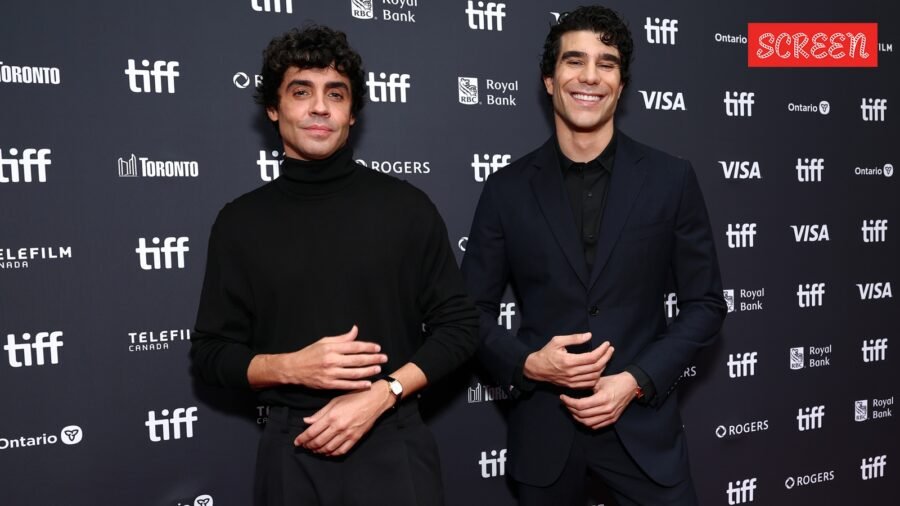
With La Bola Negra, Spanish director duo Javier Calvo and Javier Ambrossi — known as Los Javis — take the fragments of an unfinished play by Federico García Lorca and build them into an ambitious, multi-generational drama. Moving between the Spanish Civil War and the present day, the film connects forbidden love, historical memory and the experiences of generations of LGBTQ+ people.
The Spanish-language La Bola Negra won People’s Choice Award at the just-concluded Toronto International Film Festival (TIFF) while I Play Rocky, directed by Peter Farrelly, and Being Heumann, directed by Siân Heder, were first and second runner-up, respectively. With its latest win, La Bola Negra, Spanish entry for Best International Feature Film at the upcoming Academy Awards, has generated a favourable buzz to secure major awards in the months to follow.
La Bola Negra follows the story of Sebastián, who on the eve of the Spanish Civil War in the 30s, is inducted into the fascist army, where he is drawn to Rafael, a prisoner of war. In pre-dictatorship Spain, another young man is blackballed from his father’s prestigious social club amid rumours about his sexuality. Decades later, a gay historian is forced to confront his complicated family history after he inherits an unexpected legacy.
Story continues below.
Subscribe to see fewer ads.
“The film is based on a play called La Piedra Oscura, which is mainly about the relationship between Sebastián and Rafael. The play is so intimate and delicate, and it’s really just the conversations between them. When we added the layer of Lorca’s unfinished play, La Bola Negra, and our point of view of the present, we understood that it’s the story of our grandfathers and grandparents,” says Calvo and calls the movie “a tribute to the LGBTQ+ community that fought before us”.
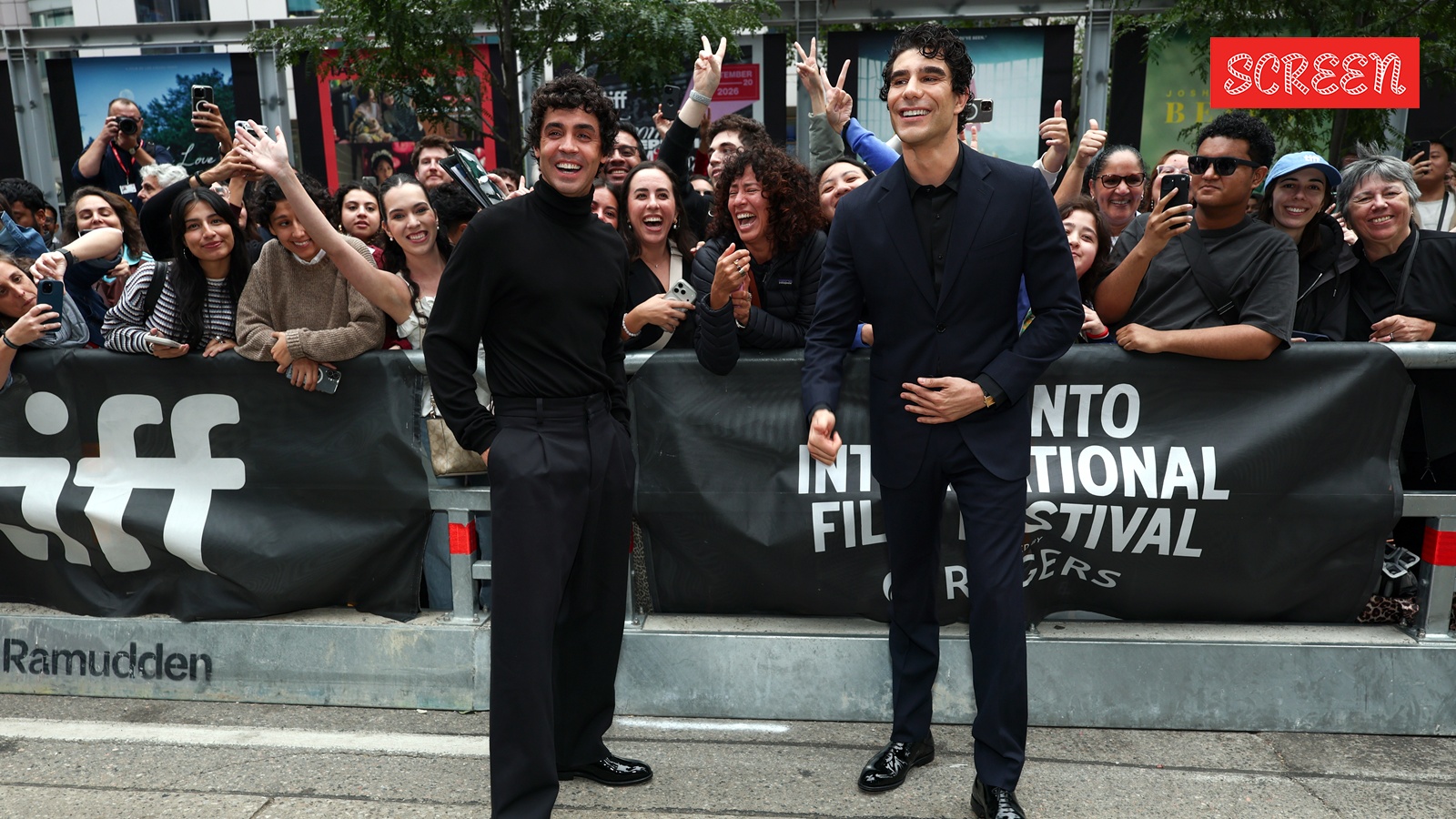
Calvo and Ambrossi, who earlier won the Best Director Award at the 2026 Cannes Film Festival, were determined to make the film’s scale grand. “I don’t want to be told that our (queer) stories should be niche. I don’t want to be told that our stories aren’t universal. So it started as something fragile and intimate, but we understood there was a political statement behind it: that we can make an epic gay drama for everyone,” says Ambrossi at a media interaction during TIFF. The directors were joined by actors Guitarricadelafuente, Miguel Bernardeau, Carlos González and Milo Quifes.
 A still from La Bola, which won the 2026 TIFF People’s Choice Award.
Though the story unfolds in the backdrop of a war, the makers wanted it to talk about “empathy and humanity”. In order to do that, they needed to make it as real as possible while also keeping it poetic. “Poetry is anti-fascism. It is polysemic. It doesn’t tell you that the world, or everything in it, has only one meaning or one way of looking at it,” says Calvo. The film, produced by Calvo and Ambrossi, is backed by Netflix
The idea of the film emerged from the four unfinished pages by García Lorca. Talking about the process of developing it, Calvo says: “In the four pages that were found of La Bola Negra, the first page has the names of the characters: the father, the mother, Enrique, Lorenzo. But then it suddenly becomes more magical, and there are skiers, snow…Then it talked about a casino, a black ball, and a gay man who was rejected. Federico lived on the same road as the casino, and it was destroyed in 1932. So we became like investigators, trying to understand what Federico wanted to do.”
Story continues below this ad
The film masterfully blends elements of art, literature, theatre and architecture in this war drama. Talking about the process of scripting it, Calvo says: “We’re very thoughtful and specific writers. We really dig into the edit, the music that should be playing, the wardrobe, the colours, even the shots sometimes. We’re very sure of what we want. So, 80 percent of what you see in the movie is how we imagined it.”
The film was shot over 12 weeks at real locations across Spain. It had a big crew moving from one place to another under dangerous conditions such as snow at 3,000 meters of altitude, rain and fire.




Leave a Reply