This is what happens to protein when you overcook it
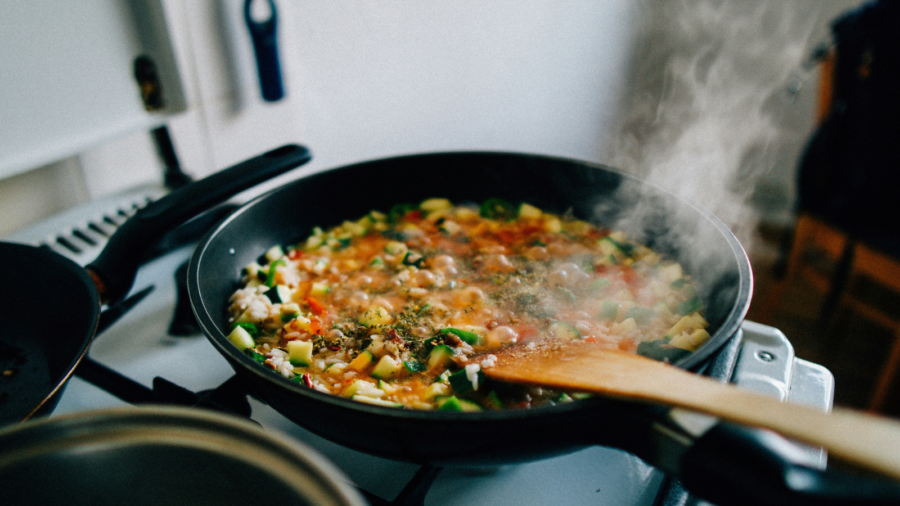
Overcooking breaks down food molecules excessively; for instance, cooking a potato a little converts starch to sugar, but overcooking it converts sugar into charcoal, which has no nutritional value. Heat speeds up chemical reactions, affecting food in both good and bad ways. So, what happens when you overcook protein?
Deepa Mishra, dietician, Narayana RN Tagore Hospital, Mukundapur, Kolkata, says, “Charred and burnt food contains carcinogenic substances, and high-heat protein forms harmful compounds like heterocyclic amines and polycyclic aromatic hydrocarbons, further reducing nutritional quality and safety.”
Story continues below.
Subscribe to see fewer ads.
What happens when you overcook proteins
Overcooking protein does not mean that the protein completely disappears or loses all its nutritional value.
Shalini Bliss, Head of Dietetics at PSRI Hospital, says, “When protein-rich foods such as eggs, chicken, fish, paneer or legumes are heated, their protein structure changes. This process, known as denaturation, is normal and can actually make protein easier to digest. The problem is more likely when food is exposed to very high temperatures or excessive cooking for a long period.”
“With prolonged or intense heating, proteins can become more tightly packed, and some amino acids may become less accessible to digestive enzymes. This does not make the food unhealthy or protein-free, but it can affect how efficiently the body digests and uses some of the protein,” Shalini adds.
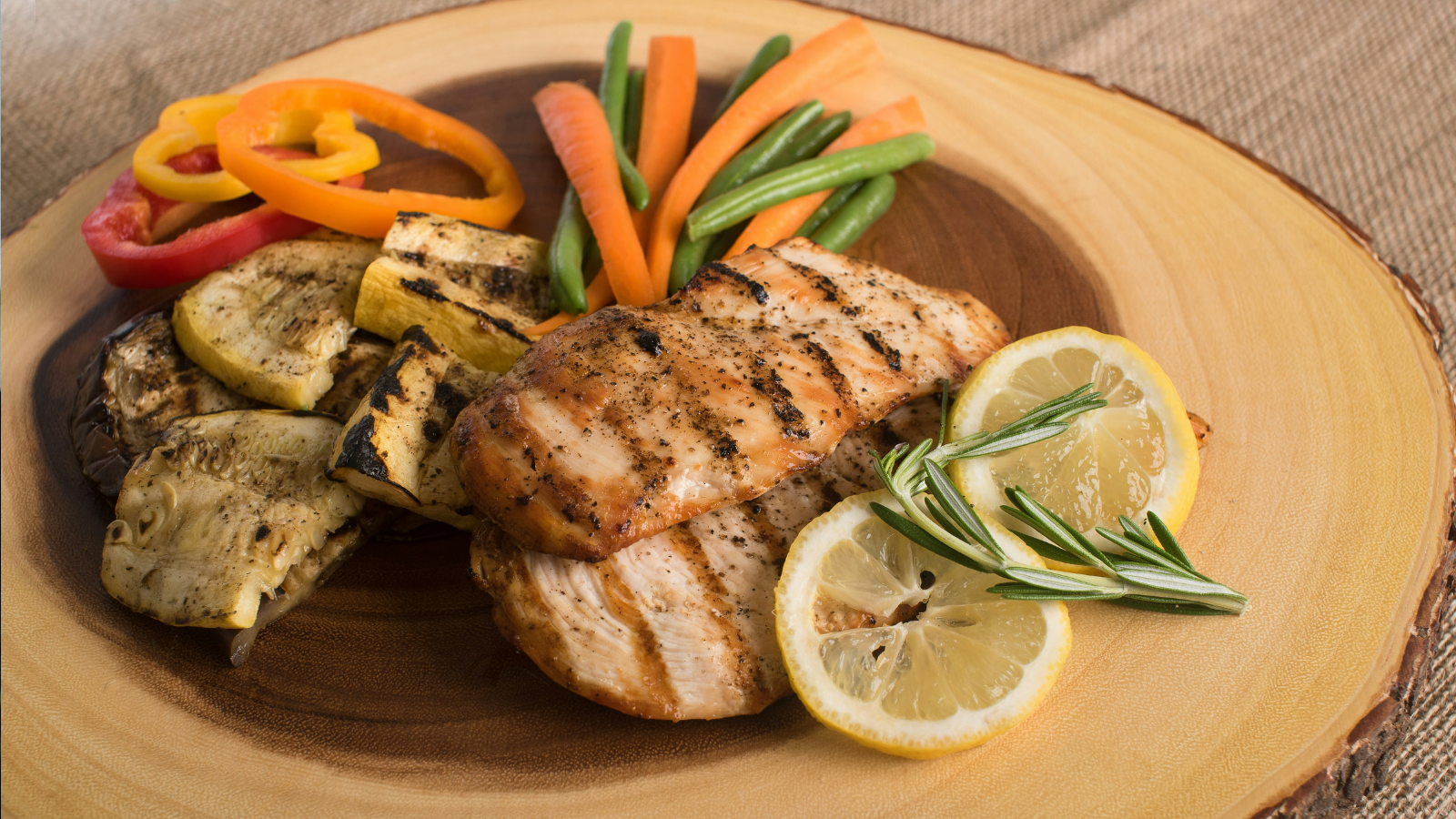 From chicken and fish to eggs and paneer, overcooking can affect the texture and nutritional quality of protein-rich foods
The extent of this effect depends on the food, cooking temperature, cooking duration and method used.
Story continues below this ad
One of the more noticeable effects of overcooking is on texture. For example, chicken or fish can become dry and tough because prolonged heating causes the proteins to contract and lose moisture. Eggs can become rubbery when cooked for too long. Similarly, repeatedly heating protein-rich foods can alter their texture and overall palatability.
The cooking method also matters. There is a difference between cooking a food thoroughly and cooking it excessively.
Shalini says, “Methods involving very high temperatures, prolonged frying, grilling or charring can lead to additional chemical changes in proteins and other nutrients,” adding, “For everyday meals, there is no need to be afraid of cooking protein.”
The goal should simply be to cook it adequately for food safety and digestibility without unnecessarily extending the cooking time. Using moderate heat and stopping once the food is properly cooked can help preserve its nutritional and sensory quality.
Story continues below this ad

Amid calls for ‘pacing,’ a new Nvidia safety tool to stop AI agents from going rogue
By Sohail Khan · 29 Sep

Why rare-disease drugs could become India’s next pharma frontier
By Sohail Khan · 29 Sep
Leave a Reply