Senior journalist seeks to intervene in legislative privilege versus free speech case
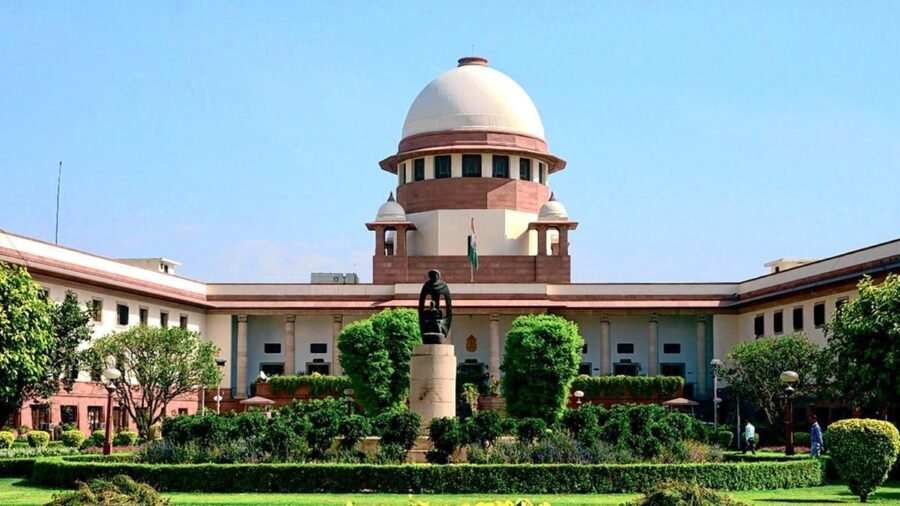
Senior journalist Seema Chishti has moved an application in the Supreme Court seeking to intervene in a long-pending case on the limits of legislative privilege, and whether a House of Legislature can use its powers to override citizens’ fundamental right to freedom of speech and expression.
The case in question dates back to 2003. had published an editorial criticising then Tamil Nadu Chief Minister Jayalalithaa. The Assembly Speaker at the time had passed a resolution in the House accusing the daily of having “distorted the proceedings of the Assembly, commented contrary to the events in the Assembly”. The resolution said the comments made in the editorial “amount to a breach of privilege of the entire House” under Article 194 of the Constitution, which guarantees freedom of speech and immunities to Members of State legislatures. The Tamil Nadu State Assembly had passed a resolution to arrest the editorial staff of .
N. Ravi, the then Editor of , had approached the Supreme Court, which had stayed any coercive police action against the newspaper’s senior editors.
Senior Advocate Harish Salve, who had appeared for the newspaper, argued against the invocation of Article 194(3) to choke press freedom enshrined under Article 19(1)(a) of the Constitution. The apex court had agreed to examine the larger legal issue of whether a critical speech or publication would constitute a breach of legislative privilege.
After a long pendency, a Bench headed by Chief Justice of India Surya Kant, in August 2026, scheduled the case to be listed before a seven-judge Bench on October 6.
Ms. Chishti, represented by advocate Neha Rathi, said the case, at its core, concerned the “constitutional balance between the Legislature, the judiciary and the free press”.
“Legislative privileges and fundamental rights do not operate in separate, watertight compartments, but must be read together, harmoniously, to give full effect to the constitutional scheme of democratic governance,” the application submitted.

Avalon Technologies Clarifies Promoter Stake Sale; Bhaskar Srinivasan Group Holds 15.42%
By Sohail Khan · 30 Sep
Body in freezer for 4 years: What are the rules for preserving dead bodies in India?
By Sohail Khan · 30 Sep
Leave a Reply