Body in freezer for 4 years: What are the rules for preserving dead bodies in India?
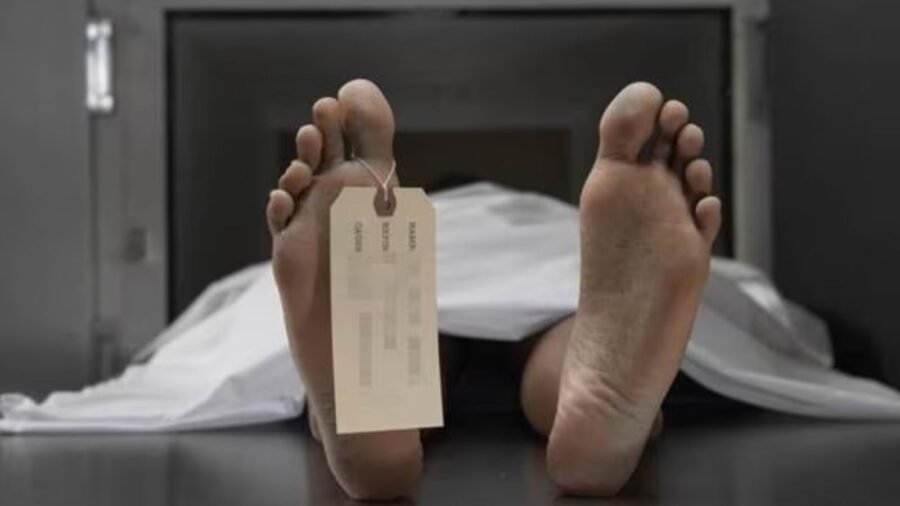
A 78-year-old man’s body lay in a freezer at a Malad day care centre for nearly four years after his death in June 2022, police said. His daughter, who told police she was deeply attached to him, had obtained a death certificate and wanted to preserve his body, even exploring the possibility of taking it to the United States.
The unusual case raises a larger question: What does Indian law allow when a family wants to preserve a dead body and for how long?
Q) Is there a fixed time limit for preserving bodies in India?
There is no single national law prescribing that every dead body must be cremated or buried within a specified number of days. Bodies may be kept temporarily in mortuaries while relatives complete arrangements, police investigations or post-mortems are carried out, or the remains are prepared for transportation.
Story continues below.
Subscribe to see fewer ads.
The legal framework comes from several laws dealing with registration of deaths, public health, municipal administration and transportation of human remains.
Mumbai has a specific provision. Section 441 of the Mumbai Municipal Corporation Act says a person cannot retain a corpse on any premises, without burning, burying or otherwise lawfully disposing of it, for so long after death as to create a nuisance.
The provision does not amount to a fixed number of days. Whether retention becomes unlawful therefore depends on the circumstances, including the condition of the body and the public health implications.
Q) How are bodies preserved?
Refrigeration is the simplest method. Lower temperatures slow the biological processes that cause decomposition. The National Disaster Management Authority’s guidelines on management of dead bodies also recognise ice as a method of preservation, particularly where refrigeration is not available.
Story continues below this ad
For longer preservation, embalming may be used. In arterial embalming, preservative chemicals are introduced through a major blood vessel and into parts of the body. The NDMA guidelines describe chemical preservation using formalin-based solutions and say it can be used when bodies need to be preserved for longer periods, including when they have to be transported over long distances.
Embalming does not stop decomposition forever. It is a method of slowing it and is particularly important when human remains have to be transported. For bodies arriving in India from abroad, the Ministry of Health and Family Welfare requires, among other documents, an embalming certificate, death certificate, and prescribed packaging.
Q) What is cryonics?
Cryonics is something quite different from keeping a body in a freezer. It refers to the experimental practice of cooling a legally dead person to extremely low temperatures, generally using liquid nitrogen, in the hope that future technology may one day make revival possible.
The process involves specialised preparation and the use of cryoprotective chemicals intended to limit damage caused by ice formation before the remains are placed in long-term cryogenic storage.
Story continues below this ad
However, there is no demonstrated case of a cryopreserved human being revived. The US National Institute of Standards and Technology describes freezing an entire human body after death with the hope of restoring life later as cryonics, and notes that it is not an accepted scientific application of cryogenics.
Therefore, a body kept in an ordinary freezer should not be described as having undergone cryonics. Ordinary freezing slows decomposition; cryonics is an experimental attempt at preserving the possibility of future revival.
Q) What if the family wants to take the body abroad?
There are specific procedures for transporting human remains internationally. The Ministry of Health’s eCARe system requires documents including an embalming certificate, death certificate, and other clearances for human remains arriving in India. The remains have to be placed in prescribed, hermetically sealed packaging.
The Aircraft Public Health Rules, 1954 also require prior permission from the competent authority of the destination country and the relevant Indian authority for sending human remains out of India.




Leave a Reply