SC cancels NSA order against Sambhal violence accused, slaps ₹10L cost on UP govt
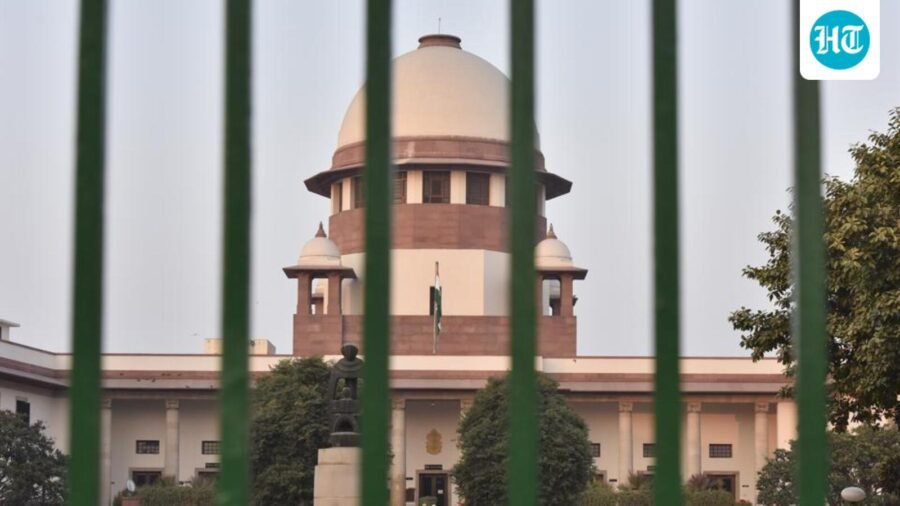
The Supreme Court ruled that the state government had “illegally exercised” the power of detention against Mulla Afroz
Published on: Sep 29, 2026, 11:28:22 IST
Prefer HTon Google
Share via
Copy link
The Supreme Court on Tuesday quashed a preventive detention order issued under the National Security Act (NSA) against an individual linked to the November 2024 Sambhal mosque violence, and imposed a cost of ₹10 lakh on the Uttar Pradesh government.
A bench comprising justices Dipankar Datta and Sheel Nagu set aside the detention order issued in October 2025 by the Sambhal district magistrate, ruling that a confessional statement cited by the state authorities could not serve as the sole justification for keeping a citizen under preventive detention.
“The power of detention was illegally exercised by the authorities. The detaining authorities did not consider the appropriate material. The order of detention issued on October 13, 2025 is quashed and a cost of ₹10 lakh is imposed on the state,” the bench said.
The ruling came on a petition filed by Mulla Afroz, who was detained following violence during a court-ordered survey of the Shahi Jama Masjid in Sambhal on November 24, 2024. The survey was ordered in a suit filed by Hindu petitioners claiming the mosque was built over a temple. Four people were killed in the resulting clashes.
Advocate Divyesh Pratap Singh who appeared for Afroz said the petitioner was tortured and coerced into making a confession before the police on the threat of a staged encounter. The police showed Afroz’s arrest almost 54 days after the incident, implicating him solely on the basis of the alleged confession made in police custody. He said the police also claimed to have seized a .32 bore pistol from him.
But as per the forensic report, the man who the petitioner was accused of having murder died due to injuries sustained by a firearm of .315 bore.
While Afroz was in custody, the Sambhal DM passed a detention order under Section 3(2) of the NSA, 1980. This order was approved by the state government and Afroz’s representations challenging the detention order were rejected by the authorities including by the central government.
See Less



PM Modi should resign for ‘pressuring’ CEC: Kharge at CWC meet
By Sohail Khan · 29 Sep
Leave a Reply