Saudi Arabia Shuts East-West Oil Pipeline After Attack As Houthi Advance Tightens Red Sea Squeeze
Saudi Arabia shut its 1,200-km East-West oil pipeline after an aerial attack, while Houthi forces reportedly seized Perim Island near the Bab el-Mandeb strait. The developments have intensified pressure on key energy routes as Strait of Hormuz disruptions continue, raising concerns over global oil supplies and pushing prices above Rs 100 a barrel equivalent.
Saudi Arabia faces mounting pressure on vital energy routes as an oil pipeline is shut and Houthi forces advance along Yemen’s Red Sea coast | X – @airnewsalerts
Riyadh, September 12, 2026: Saudi Arabia has shut its East-West oil pipeline after it came under aerial attack, adding fresh pressure to global energy supplies as Houthi forces expand their hold along Yemen’s Red Sea coast.
The 1,200-km pipeline, which crosses the Arabian Peninsula, had become increasingly important for Saudi Arabia because it allowed crude exports to bypass the Strait of Hormuz, where tanker traffic has slowed sharply during the six-month war between the US and Iran.
The shutdown now puts pressure on two crucial energy routes around the Arabian Peninsula, raising the risk of further disruption to oil markets, Reuters reports.
Saudi Arabia shuts vital pipeline after attack; Houthi rebels in Yemen seize strategic islands, tightening grip on key Red Sea shipping route
READ: https://t.co/xPlr7D87le pic.twitter.com/QdaajK8MN7— All India Radio News (@airnewsalerts) September 12, 2026
A New Choke Point Emerges
`;
The Saudi Energy Ministry said the pipeline was closed as a precaution after an attack that Riyadh and Baghdad said originated in Iraq. Iraq dismissed a military commander on Saturday after confirming that the attack had come from its territory.
The pipeline has carried between 4 million and 5 million barrels of oil a day in recent months, equivalent to about 4 per cent to 5 per cent of global supply, according to ship-tracking companies and analysts.
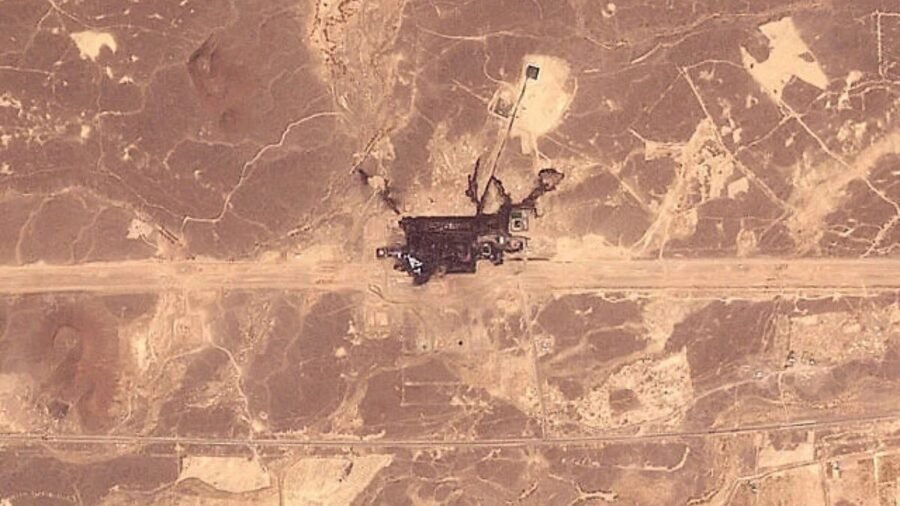
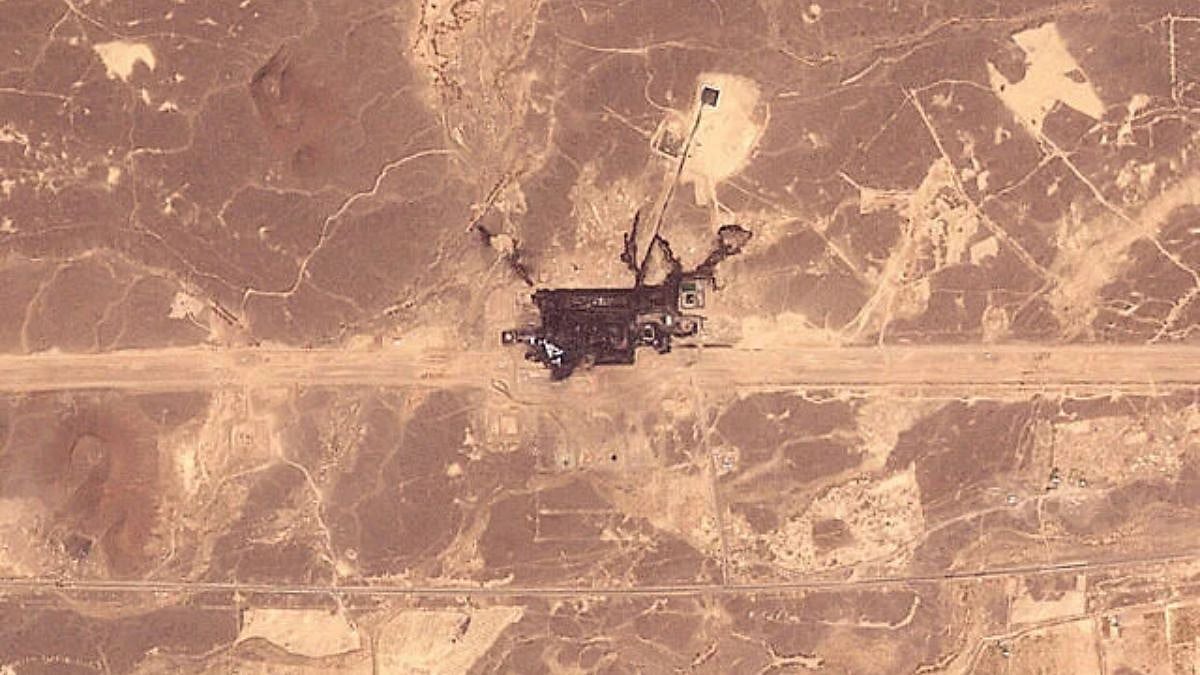
It was not immediately clear who carried out the strikes. Satellite images showed black smoke rising from an area south of Medina. Saudi Arabia’s Foreign Ministry said the attack caused injuries and damage, which authorities were still assessing, but it did not specify whether crude exports had been affected.
The East-West pipeline was struck on Thursday morning in the Riyadh and Medina regions, according to the Saudi Energy Ministry.
The attack came at an especially sensitive time for the kingdom. Houthi forces in Yemen have been advancing along the Red Sea coast, while disruptions in the Strait of Hormuz have already squeezed shipping on the other side of the Arabian Peninsula. Together, the developments have pushed oil prices back above $100 a barrel.
Houthis Seize Strategic Island
Four Yemeni government sources said the Houthis seized Perim Island on Friday. The island lies at the mouth of the Red Sea in the Bab el-Mandeb strait, one of the region’s most strategically important shipping passages.
The pipeline attack and the seizure of Perim Island, both reported on Friday, mark a potentially serious escalation at a time when diplomatic efforts to end the wider conflict have stalled.
If the Houthis establish firm control over Bab el-Mandeb, Iran could gain an important strategic advantage in its war with the US. That prospect gives the Houthi advance significance far beyond Yemen itself because control over shipping routes could translate into wider economic and military pressure.
Yemeni government forces have indicated that they will try to recapture areas taken by the Houthis during their rapid advance along the Red Sea coastline.
Reuters had reported on Thursday that Iran’s Revolutionary Guards provided direct guidance during the Houthi advance. Two Iranian sources also said Tehran had told the Houthis last week to intensify attacks on Saudi Arabia and promised additional funding, weapons and senior officers.
Iran describes the Houthis as an ally but publicly denies directing their military operations, saying they are “not a proxy”.
Houthi military spokesperson Yahya Saree said maritime navigation remained safe for all vessels except Saudi ships covered by a previously announced ban.
Iraq Acts After Pipeline Strike
The Iraqi military commander who was dismissed had been responsible for operations in Maysan province, according to a statement from the Iraqi Prime Minister’s Office.
Maysan, in southeastern Iraq along the Iranian border, has long been seen as an area where Iran-backed Shi’ite militias operate and maintain influence.
Saudi Arabia has so far chosen not to retaliate following a request from the Iraqi Prime Minister, the Saudi Foreign Ministry said. However, Riyadh said it reserved the right to “take all measures necessary” to protect its interests.
The Iraqi government condemned the attack and ordered the closure of the Shalamcheh border crossing with Iran as a precaution, according to two security sources.
The crossing is one of Iraq’s main routes for importing vegetables and other food supplies from Iran. The security sources said Iraqi authorities had also launched a wide-scale operation to identify those responsible for the pipeline attack.
Saudi Oil Supply Under Pressure
Saudi crude supply has already fallen to its lowest level in more than three decades, the International Energy Agency said on Friday. Attacks on vessels passing through Bab el-Mandeb by Houthi-linked groups were among the reasons for the decline.
The latest shutdown therefore comes when Saudi Arabia has less room for further disruption. With the Strait of Hormuz already severely affected, the loss of another major export route shows how quickly a regional military confrontation can spill into global energy markets.
Riyadh Turns To Washington
Saudi Crown Prince Mohammed bin Salman called US President Donald Trump at least twice on Thursday to seek American military help against the Houthis, two sources familiar with the matter said on Friday, confirming an earlier Axios report.
Washington told Riyadh that it was not prepared to take direct military action for now but would assist with intelligence sharing and targeting, the sources said.
The White House did not directly address questions about the calls. A senior US administration official, speaking on condition of anonymity, said Washington remained in continuous dialogue with Saudi Arabia and the Yemeni government.
Higher fuel prices resulting from the war have already created political pressure for Trump and the Republican Party ahead of November’s congressional elections. That makes any decision on deeper US military involvement more complicated, even as Saudi Arabia seeks greater support.
Diplomatic Path Narrows
In Iran, Ebrahim Azizi, head of parliament’s national security committee, said in a post on X on Saturday that negotiations would serve no purpose unless the US accepted all of Tehran’s conditions.
Iran, meanwhile, is expected to meet Gulf states in Oman on Monday to discuss the Strait of Hormuz, according to Iran’s Foreign Ministry.
Also Watch:
The talks come as the region faces simultaneous pressure on two key waterways and as military developments continue to outpace diplomacy. With the Saudi pipeline shut, Houthi forces advancing and shipping routes under strain, any further escalation could deepen an energy crisis that is already being felt well beyond the Middle East.
To get details on exclusive and budget-friendly property deals in Mumbai & surrounding regions, do visit: https://budgetproperties.in/

Add As a
Trusted Source 




Leave a Reply