RO water ‘total dissolved solids’ below 25: What it really means for your health
Story continues below.
Subscribe to see fewer ads.
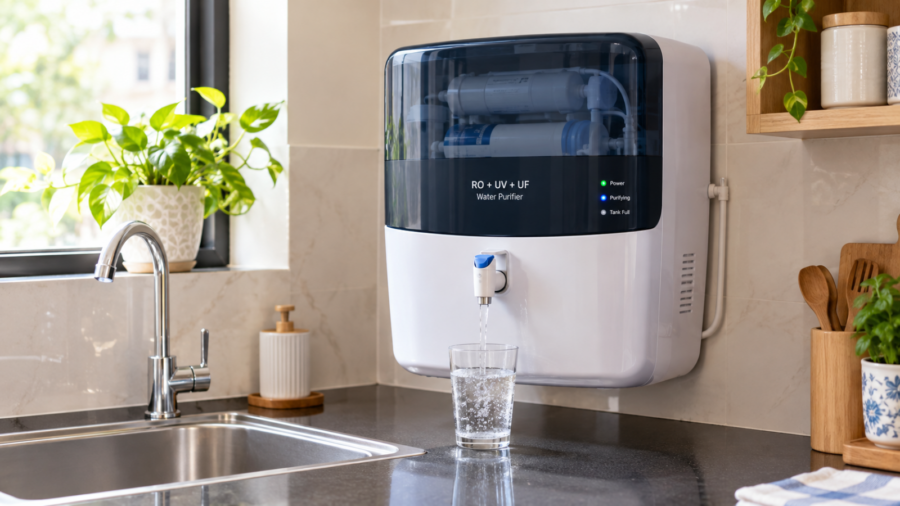
Is water with TDS below 25 safe to drink?
TDS, or total dissolved solids, estimates dissolved substances such as calcium, magnesium, sodium, and chloride. “TDS measures the total amount of dissolved substances in water, including minerals and salts, but it is not a direct measure of harmful contaminants,” says Dr Gupta tells indianexpress.com.
A TDS level below 25 mg/L is very low, but that does not automatically mean the water is unsafe. While TDS is one measure of water quality, it should not be treated as a direct measure of safety.
This means water with low TDS can still be safe, while water with a normal TDS reading can still contain harmful contaminants. The water source, how it has been treated, and appropriate microbiological and chemical testing matter more when assessing whether it is safe to drink.
” WHO does not set a health-based limit for TDS because available evidence does not show that TDS itself is harmful at typical drinking-water levels.”
Story continues below this ad
Does very low TDS mean you are missing minerals?
 Very low TDS generally means that the water contains very small amounts of dissolved minerals such as calcium and magnesium (Freepik)
Very low TDS generally means the water contains very small amounts of dissolved minerals such as calcium and magnesium. But that doesn’t automatically mean drinking it will cause a mineral deficiency.
“Most calcium and magnesium in our diet comes from food, not drinking water,” says Dr Gupta.
So, if your RO produces water with a TDS below 25, the bigger question is whether your overall diet provides enough calcium and magnesium.
This is also why claims that RO water routinely causes mineral deficiency can be overstated. For most healthy people, very low-TDS water is not automatically harmful simply because it contains fewer minerals. It may, however, taste flatter.
Story continues below this ad
” However, if someone consumes highly purified, low-mineral water regularly, it is sensible to ensure that their overall diet provides adequate calcium and magnesium,” Dr Gupta advises.
He further adds that people with kidney disease or other medical conditions should be more careful about changing their water source, particularly if they have specific fluid or electrolyte requirements. Dr Gupta recommends discussing such changes with a doctor rather than making them on your own.
Should you change your RO settings?
A TDS reading below 25 mg/L, by itself, is not a reason to change your RO settings immediately. “First, understand the quality of the source water and what the RO is designed to remove.”
If the water is being purified excessively, you may consider a properly maintained mineraliser or a suitable blending system, depending on the purifier and the source water.
Story continues below this ad
Another factor matters: maintenance. A low TDS reading does not replace regular servicing of the purifier or appropriate testing of the treated water.
People should ensure that the water coming out of the purifier is microbiologically and chemically safe rather than chasing a particular TDS number.
As Dr Gupta puts it, “TDS should be one parameter, not the only target.”
So, if your RO water shows a TDS below 25 mg/L, there is no need to panic over the number alone. Check the quality of your source water, maintain the purifier properly and make sure your diet provides adequate calcium and magnesium.
Story continues below this ad

Memories of Maharashtra’s 1972 drought
By Sohail Khan · 27 Sep
Tavleen Singh writes: Democracy at work or disaster
By Sohail Khan · 27 Sep
Women’s safety is a national security issue
By Sohail Khan · 27 Sep
Leave a Reply