Rajma vs Chole: Which has more protein? The answer may surprise you
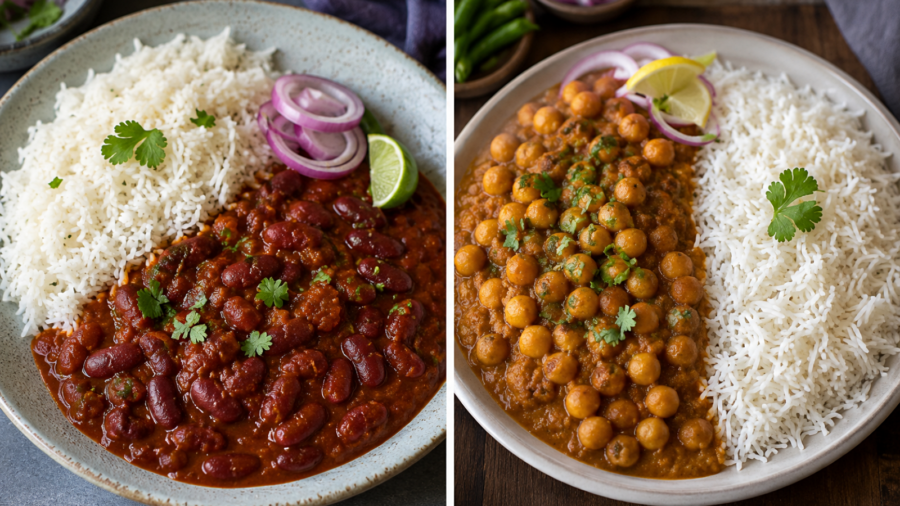
If protein had a desi leaderboard, rajma and chole would both make the list. But which one deserves the higher spot? This everyday food rivalry is now a protein showdown — and the answer gets interesting once you look beyond the obvious numbers.
Both are affordable, versatile vegetarian protein sources, but they aren’t nutritionally identical. And there’s another catch: the numbers look different depending on whether you’re comparing them dry or cooked.
Story continues below.
Subscribe to see fewer ads.
Rajma or chole: which one actually wins?
Let’s start with the number you’re probably most curious about. Speaking to indianexpress.com, Prachi Chandra, Lead Clinical Nutritionist, Sakra World Hospital, Bengaluru explains that per 100g of dry weight, rajma provides around 23–24g of protein, while chole provides around 19g.
So, on paper, rajma wins. But once the beans are cooked, the fight gets much closer. Both absorb water during cooking, changing their weight and therefore the protein concentration per serving.
Dr (Col) Vijay Dutta, Director, Internal Medicine & Respiratory Services, ISIC Multispeciality Hospital, says that in a typical cooked serving of about one cup, rajma provides roughly 13–15g of protein, while chole provides around 14–15g.
“The exact amount can vary depending on the variety, cooking method and serving size, so the difference is relatively small,” he tells indianexpress.com.
Story continues below this ad
So if you’re comparing the two on your actual plate, neither has a dramatic protein advantage.
Does cooking reduce the protein?
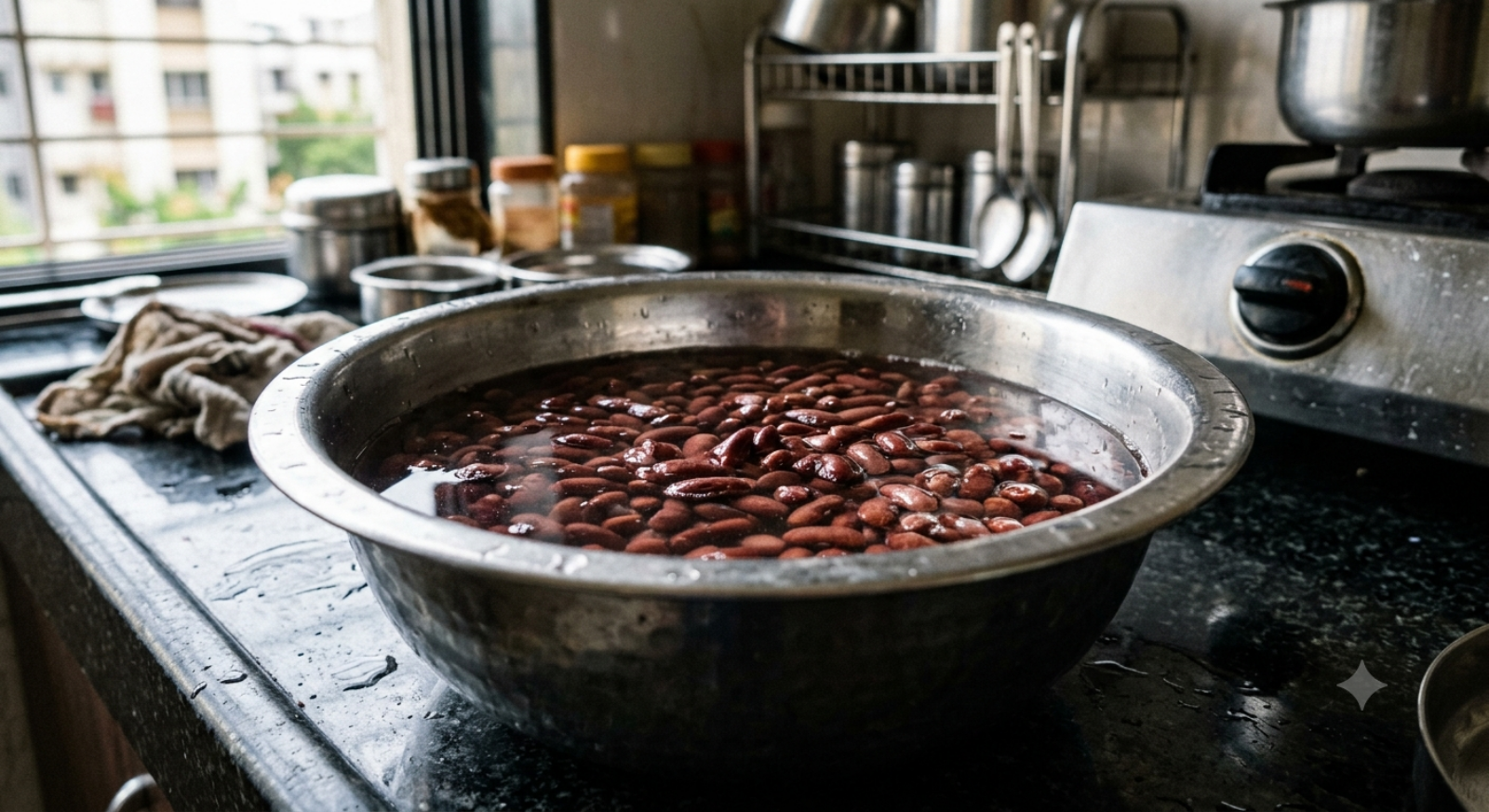 Soaking + pressure cooking helps reducing the antinutrients like phytates and lectins that block protein absorption and cause gas/bloating (Ai generated image for reference)
Here’s something worth knowing before you worry that your pressure cooker is somehow destroying all that protein.
“Cooking does not significantly reduce the total protein in rajma or chola. In fact, proper cooking softens the beans and makes their nutrients easier for our body to digest and absorb. Soaking and thoroughly cooking them also reduces certain naturally occurring compounds that can interfere with digestion.”
Chandra explains that soaking for 8–10 hours, discarding the soaking water and then fully boiling or pressure-cooking the beans can help reduce antinutrients such as phytates and lectins, which can interfere with digestion and contribute to bloating.
Story continues below this ad
There is one important rajma-specific warning, though: rajma must be cooked properly.
Raw or undercooked kidney beans contain phytohaemagglutinin, which can cause nausea and other digestive problems. So don’t treat “al dente” as a cooking achievement when it comes to rajma — cook it thoroughly until soft.
And while some water-soluble vitamins can move into the cooking water, the protein largely stays in the beans.
What about calories, fibre and carbohydrates?
Protein isn’t the only reason to put either of these on your plate. For around one cup of cooked beans (about 160g), Chandra puts rajma at approximately 210 calories, 38g carbohydrates and 12–13g fibre. The same quantity of chole provides about 250 calories, 40g carbohydrates and 11g fibre.
Story continues below this ad
Both are also good sources of iron and folate. Chole additionally provides nutrients such as magnesium and manganese.
Dutta says both are highly nutritious, providing protein, fibre, complex carbohydrates, vitamins and minerals, and neither is clearly superior overall.
“Neither is clearly superior overall; the better choice depends on your dietary needs and preferences,” Dr Dutta says.
That makes the comparison less about declaring an overall champion and more about what you’re trying to get from your meal.
Story continues below this ad
If your priority is more protein with relatively fewer calories and more fibre, rajma has a slight advantage. Chole, meanwhile, provides a little more healthy fat and can also be a useful source of sustained energy.
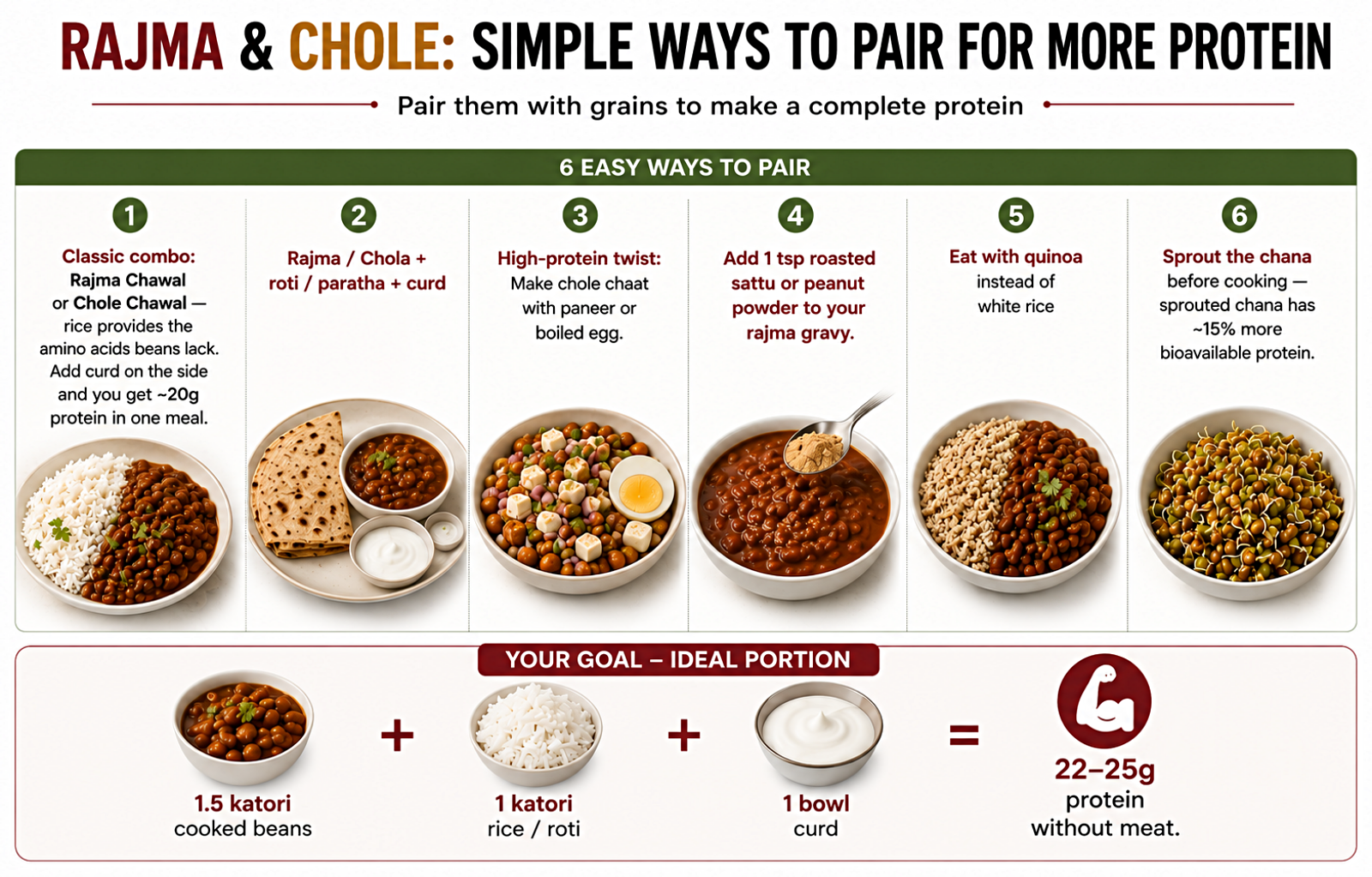 Based on inputs provided by Prachi Chandra, Lead Clinical Nutritionist, Sakra World Hospital, Bengaluru
Should vegetarians choose rajma or chole?
Why choose sides when you can have both? Dutta recommends rotating different pulses and legumes rather than relying on just one.
“I would recommend including both rather than choosing only one. Rajma and chola provide plant-based protein along with fibre and important micronutrients. Eating a variety of pulses and legumes helps provide a wider range of nutrients and makes it easier to meet daily protein requirements without relying on meat.”
There is another point to remember: rajma and chole are not complete proteins on their own. They are relatively low in methionine, an essential amino acid.
Story continues below this ad
That doesn’t make them poor protein sources. It simply means that pairing them with other foods can create a more balanced meal.
Rajma-chawal isn’t just comfort food
There is a reason the classic rajma-chawal and chole-chawal combinations work so well nutritionally. Dutta recommends pairing these legumes with other protein-rich foods and whole grains.
“Pair rajma or chola with other protein-rich foods such as curd, paneer, tofu, soy or eggs, depending on your diet. Combining them with whole grains such as roti or brown rice creates a balanced meal.”
You can also add vegetables and salad to increase the meal’s fibre, vitamins and minerals.
Story continues below this ad
Want to give your regular rajma or chole a protein upgrade? Chandra suggests options such as chole chaat with paneer or a boiled egg, roasted sattu or peanut powder in rajma gravy, or swapping some white rice for quinoa.
Sprouting chana before cooking is another option; Chandra says sprouted chana has around 15% more bioavailable protein.
For a simple meat-free meal, her suggested combination is around 1.5 katori cooked beans + 1 katori rice or roti + 1 bowl of curd, which can provide roughly 22–25g of protein.
So, while rajma takes the lead when you compare the beans dry, the difference becomes much smaller once they’re cooked. For everyday eating, there’s little reason to pick one and abandon the other. Rotating rajma and chole and pairing them with other protein-rich foods can make it easier to meet your protein needs without relying on meat.
Story continues below this ad

Good foundation: on India’s strong industrial growth performance
By Sohail Khan · 1 Oct
Bitter pills: on Court’s intervention, drug pricing
By Sohail Khan · 1 Oct
Household debt, financing today against tomorrow
By Sohail Khan · 1 Oct
Leave a Reply