Rahul Roy changed diet after brain stroke; now avoids onion, garlic, dairy: ‘Take eight medicines’
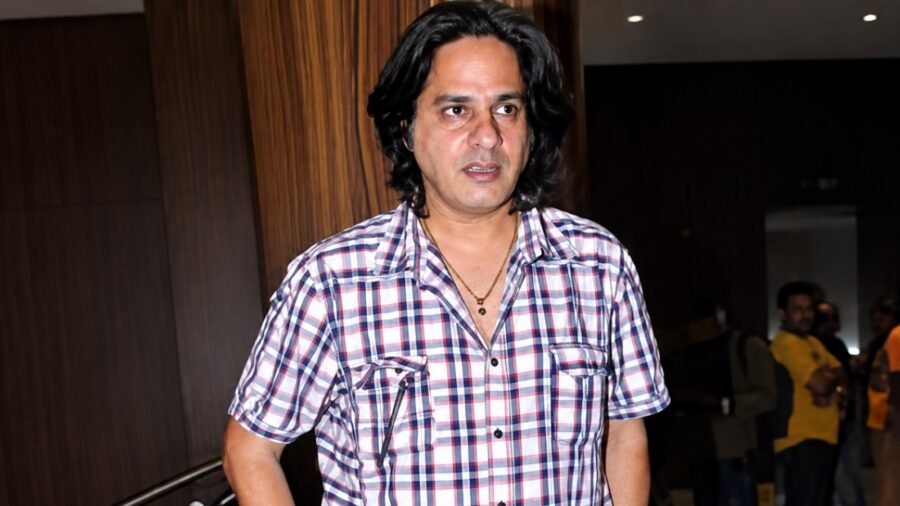
Actor Rahul Roy recently opened up about how his life and diet changed after suffering a brain stroke six years ago. In an interview, Roy recalled, “I had a speech problem.”
Already struggling with speech for nearly five to six months, Roy didn’t know whether he would be able to walk and talk normally again. While he has since recovered considerably, he said the experience prompted him to overhaul his diet and lifestyle.
Before the stroke, he smoked, ate chicken and consumed a wide variety of foods. Today, he follows a strict vegan and Jain diet, avoiding onion, garlic and dairy products.
Story continues below this ad
“Now, I don’t do onion or garlic… I follow a strict vegan and Jain diet. That’s all—just a very strict diet. I also take eight medicines with my breakfast and dinner, he told .
But can eliminating specific foods actually improve recovery after a stroke? Dr Yogesh Godge, Consultant Neurologist, Jupiter Hospital, Thane, says the focus should be less on restrictive eating and more on controlling the factors that increase the risk of another stroke.
Can diet help after a brain stroke?
“The process of recovering from a stroke does not stop when a patient is discharged from the hospital,” says Dr Godge. According to him, a balanced, nutrient-rich diet can support overall recovery and cardiovascular health, but no single diet can reverse the brain damage caused by a stroke.
Story continues below this ad
The primary dietary goal, he explains, should be to keep blood pressure, blood sugar, cholesterol and body weight within healthy ranges, as hypertension, diabetes, high cholesterol and obesity are important risk factors for another stroke.
“A stroke survivor’s diet should mainly include a variety of vegetables and fruits, whole grains, pulses and other fibre-rich foods, along with adequate protein and healthy fats,” says Dr Godge.
Salt intake also deserves particular attention because excess sodium can contribute to high blood pressure. Highly processed foods, excessive sugar, trans fats and frequently deep-fried foods should be limited or avoided.
Does avoiding onion, garlic, chicken and dairy prevent another stroke?
Not necessarily. While Roy has chosen to eliminate these foods as part of his vegan and Jain diet, there is no strong clinical evidence that avoiding onion, garlic, chicken or dairy specifically improves neurological recovery after a stroke.
Story continues below this ad
“There is certainly no strong clinical evidence to show that avoiding onion, garlic, chicken or dairy in particular has a positive effect on neurological recovery following a stroke,” says Dr Godge.
He adds that a vegan or Jain diet can certainly be nutritionally adequate when planned properly, but its potential benefits come from the overall dietary pattern, rather than simply removing these particular foods.
“It is not true that onions and garlic cause recurrent strokes, and there is no medical need for all stroke survivors to give them up,” he says. Similarly, chicken and dairy do not universally need to be eliminated after a stroke.
For those who choose to avoid animal products, however, nutritional adequacy becomes important. “It is important to make sure that they get enough protein, vitamin B12, calcium, vitamin D, iron and other nutrients,” Dr Godge says. Depending on individual requirements, supplements may be recommended by a doctor.
Story continues below this ad
What about swallowing difficulties after a stroke?
Diet also needs to be personalised. Some stroke survivors experience difficulty swallowing, known as dysphagia, and may need foods with modified textures or consistencies.
“Diet should be tailored to each individual,” says Dr Godge. Someone with diabetes, kidney disease or another medical condition may also have additional dietary requirements. Therefore, making major dietary changes without considering a person’s medical history may not be appropriate.
Lifestyle changes
For stroke survivors, preventing a second stroke is as important as recovering from the first one. Dr Godge stresses that long-term lifestyle changes can significantly influence vascular risk.
“One of the best things a smoker can do is to give up smoking since tobacco harms the blood vessels and raises the risk of both ischaemic and haemorrhagic stroke,” he says.
Story continues below this ad
Regular physical activity, maintaining a healthy weight, limiting alcohol, eating a balanced diet and keeping blood pressure, blood sugar and cholesterol under control are all important.
Medication adherence is equally critical. Depending on the cause of the stroke, treatment may include antiplatelet or anticoagulant medicines, cholesterol-lowering drugs, or medication for blood pressure and diabetes.
“You should not discontinue or change these medicines merely because you are feeling better or because you have started to follow a certain diet,” cautions Dr Godge.

Essar eyes $18-billion US steel plant: Why Indian firms are investing in US amid tariffs
By Sohail Khan · 29 Sep
The volume knob we often forget to turn down
By Sohail Khan · 29 Sep
Woman loses 43 kg in 8 months: What experts say about losing 10 kg in a month
By Sohail Khan · 29 Sep