Pakistan records surge in HIV cases among children; expert shares warning signs
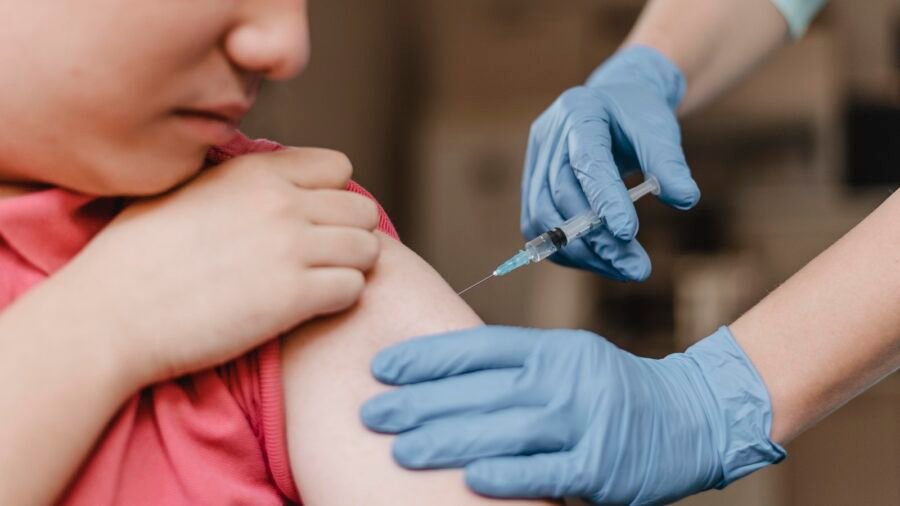
Score of children children in Karachi have recently tested positive for HIV, with investigations linking the infections to unsafe medical practices, according to a recent NPR report. The development has raised fresh concerns about infection-control measures in healthcare settings, with the report adding that this is not the first time Pakistan has witnessed an outbreak of HIV among children. The recurrence underscores the importance of maintaining strict safety and infection-control protocols in hospitals and other healthcare facilities.
Understanding pediatric HIV
Dr Vishal Jain, lead consultant, Paediatrics and Neonatology, CK Birla Hospital Delhi, says that HIV infection in children can remain clinically silent with no apparent signs of infection, which can make detection challenging. He adds that in the case of infants and small children, who are most likely infected during the process of childbirth, the “infection tends to damage their immune system faster than in the case of many adults.”
Story continues below.
Subscribe to see fewer ads.
“Early virological testing of HIV-exposed infants is recommended by WHO, including testing within the first weeks of life, since conventional serological tests cannot be used to confirm infection in children younger than 18 months,” he tells indianexpress.com.
 What are some warning signs for pediatric HIV? (Magnific)
Warning signs to note
Dr Jain lists out some signs that parents and paediatricians should pay attention to are:
- Persistent or recurrent infections
- Lack of growth and weight gain
- Long-term diarrhea or fever
- Repeated episodes of pneumonia or respiratory infections
- Swollen lymph nodes and oral thrush.
However, Dr Jain stresses that these signs do not necessarily indicate HIV infection as they may also occur in case of other common illnesses among children.
What matters more: age or source?
Dr Jain says pediatric HIV differs from the traditional one based on significance of age at the time of infection and how the infection occurred.
Story continues below this ad
“The infection can occur during pregnancy, childbirth, or breastfeeding, but also through contact with infected blood or through medical equipment which was not properly sterilised. In case of children who were infected around the time of birth, the progress of the illness is fast in the absence of treatment,” he elaborates.
When it comes to prevention, Dr Jain says that it is important for parents to know that health care measures must be appropriate.
“Namely, each injection must use a new sterile syringe and needle, proper screening of blood and blood products, as well as proper sterilisation of medical equipment,” he says, adding that it is also important for parents to feel safe asking whether the equipment used in injections is new and sterile.
The doctor reiterates that it is important we do not make children feel afraid of HIV unnecessarily.
Story continues below this ad
“HIV cannot be contracted from hugging, playing, eating together, or even ordinary household contact. The child who has HIV requires medical attention, therapy, and love – not isolation and discrimination,” he stresses, concluding that prevention is better than cure, and this applies to HIV the most.


After the flood: Why Nepal’s young PM Balendra Shah is in hot water
By Sohail Khan · 25 Sep
Netanyahu faces another UN walkout: What this means, and history of such protests
By Sohail Khan · 25 Sep
Leave a Reply