Oncologist says isabgol is more than a laxative…’even reduces cancer risk’; gastroenterologist weighs in
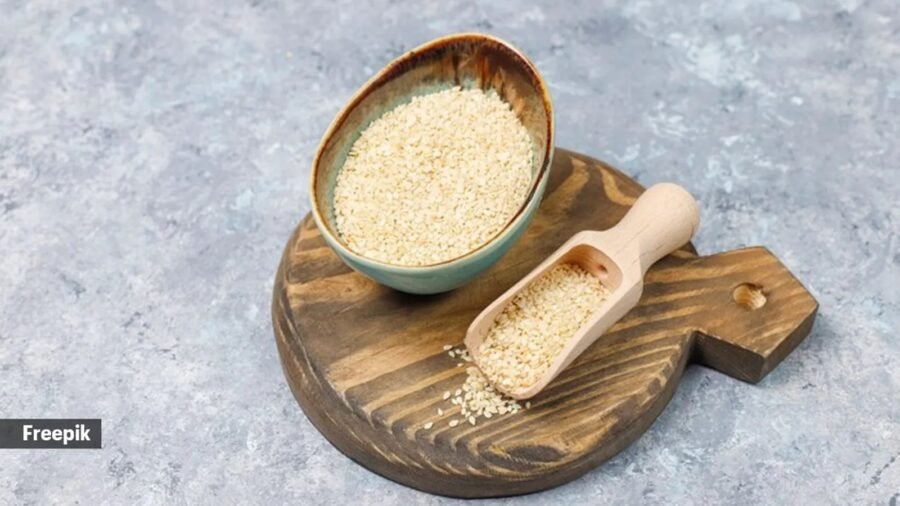
Oncologist Dr Vartika Vishwani said that while isabgol is considered a laxative, its fibre supports gut health and blood sugar and can even reduce cancer risk. “As an oncologist, I was happy…we should have 25-30 grams of fibre every day, which we are not taking in our diet. Fibre is a protective factor against cancer. We underestimate isabgol or psyllium husk. Many of us only consider it as a laxative…it helps blood sugar, cholesterol, and even reduces cancer risk,” said Dr Vishwani in an Instagram post.
Psyllium’s insoluble fibre portion works on the large intestine and provides bulk to the stool, “and moves into the intestine fast, which means it reduces the contact time of harmful substances to the walls of the intestine…. This means the less the contact time, the less the risk…it works as food for the good bacteria in the gut. This bacterium produces short-chain fatty acids, which keep colon cells healthy and reduce inflammation. Inflammation is one of the biggest drivers of cancer”, mentioned Dr Vishwani.
“So psyllium husk is not just a laxative; it is a fibre which helps your gut, blood sugar, cholesterol and reduces long-term cancer risk.”
Story continues below.
Subscribe to see fewer ads.
However, she said you should drink plenty of water. “But ensure you drink plenty of water with this. Without water, it won’t form the gel-like texture, and it won’t work.”
Dr Sujit Nair, consultant in medical gastroenterology, hepatology and endoscopy at KIMS Hospitals, Thane, concurred that isabgol does more than just relieve constipation. “Isabgol, or psyllium husk, is a soluble fibre. “It works by absorbing water and forming a gel-like substance in the gut. This helps regulate bowel movements and supports overall digestive balance. Because of this, it impacts metabolic and gut health more than many people realise,” said Dr Nair.
Some claims suggest it can help control blood sugar. How true is that?
Dr Nair said that there is some scientific support for this. “When taken before or with meals, psyllium can slow the absorption of carbohydrates in the intestine. This results in a gradual rise in blood sugar levels instead of a sharp spike. While it is not a treatment for diabetes, it can be a helpful dietary addition for better blood sugar control when paired with a balanced diet and medical care.”
Story continues below this ad
 What should you keep in mind?
How does isabgol contribute to gut health?
As a soluble fibre, it acts as a prebiotic. “This means it supports the growth of beneficial gut bacteria. A healthier gut microbiome is linked to better digestion, improved immunity, and less inflammation. Additionally, by normalising bowel movements—whether someone has constipation or mild diarrhoea—it helps maintain overall gut stability.”
View this post on Instagram
A post shared by Dr Vartika Vishwani (@doctorvarti)
There’s also talk about it reducing cancer risk. Is that proven?
Dr Nair said the link is more indirect than definitive. “Diets high in fibre have been connected to a lower risk of colorectal cancer. Psyllium helps by improving bowel regularity, reducing the time harmful substances stay in contact with the intestinal lining, and supporting a healthier gut environment. However, it should not be seen as a standalone preventive measure.”
Are there any precautions people should keep in mind while taking isabgol?
Dr Nair said that it should always be taken with enough water to prevent it from becoming too thick in the gut, which can cause discomfort. “It’s also important not to rely on it as a quick fix while neglecting overall diet and lifestyle. For people with existing medical conditions or those on medication, it’s best to use it under guidance to ensure it fits well into their routine.”

Rahul Khanna, 54, gives a peek into his breakfasts
By Sohail Khan · 21 Sep
NIT-Srinagar to open campus observatory with 14-inch telescope
By Sohail Khan · 21 Sep
Expert Explains | How India could solve its summertime power cuts problem
By Sohail Khan · 21 Sep
Leave a Reply