Olive oil is good for you, but don’t overdo it: ‘With around 120 calories per tablespoon…’
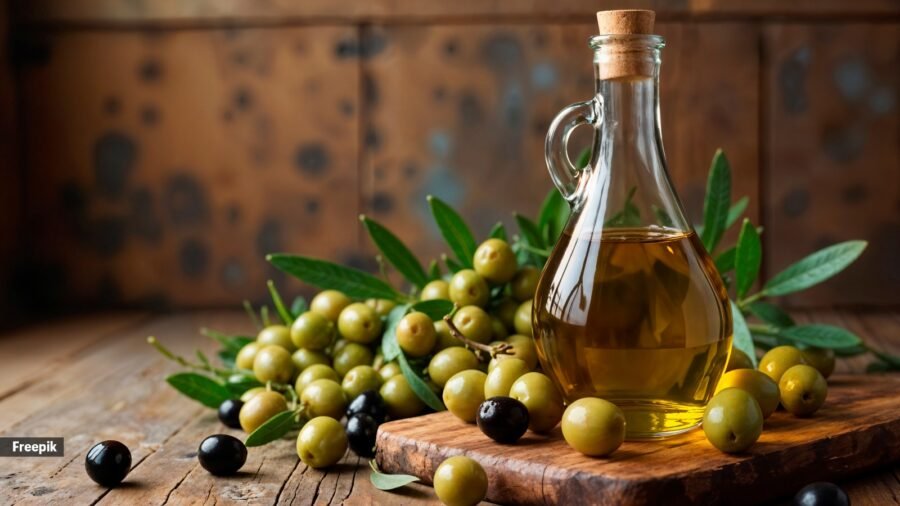
Healthy doesn’t mean unlimited
“Olive oil is one of the healthiest fats you can add to your diet, but more is not always better,” clarifies Dr K. Seshi Kiran, Senior Consultant General Physician, Yashoda Hospitals, Hyderabad.
Echoing this, Dr Manjusha Agarwal, Senior Consultant, Internal Medicine, Gleneagles Hospital, Parel, Mumbai, says, “Olive oil is a healthy source of unsaturated fats, but it is still high in calories. Consuming large amounts regularly can add excess calories without you realising it. Like any healthy food, moderation is the key to getting its benefits.”
What happens if you overdo it?
With around 120 calories per tablespoon, olive oil can quietly increase your daily calorie intake if you’re not mindful of portions.
Story continues below this ad
“Eating excessive olive oil daily can increase your calorie intake, which may lead to gradual weight gain,” says Dr Agarwal.
Overconsumption may also affect your digestive system. Some people may also experience “bloating, loose stools, or stomach discomfort”, especially if consumed in large quantities at one time.
Dr Kiran says some people may also experience nausea or diarrhoea, particularly after consuming large amounts or drinking olive oil on an empty stomach.
“It should be part of a balanced diet, not the main source of calories.”
Story continues below this ad
Who should be more careful?
As Dr Agarwal points out, people with irritable bowel syndrome (IBS), gallbladder disease, or those prone to diarrhoea may be more sensitive to large amounts of olive oil. Those trying to lose weight should also watch their portions because of its high calorie content.
Dr Kiran further adds that people taking medicines for diabetes or high blood pressure should also be cautious, as olive oil may “enhance the effects” of these medications. If you have any chronic medical condition or are planning a major dietary change, consult your doctor first.
How much is enough?
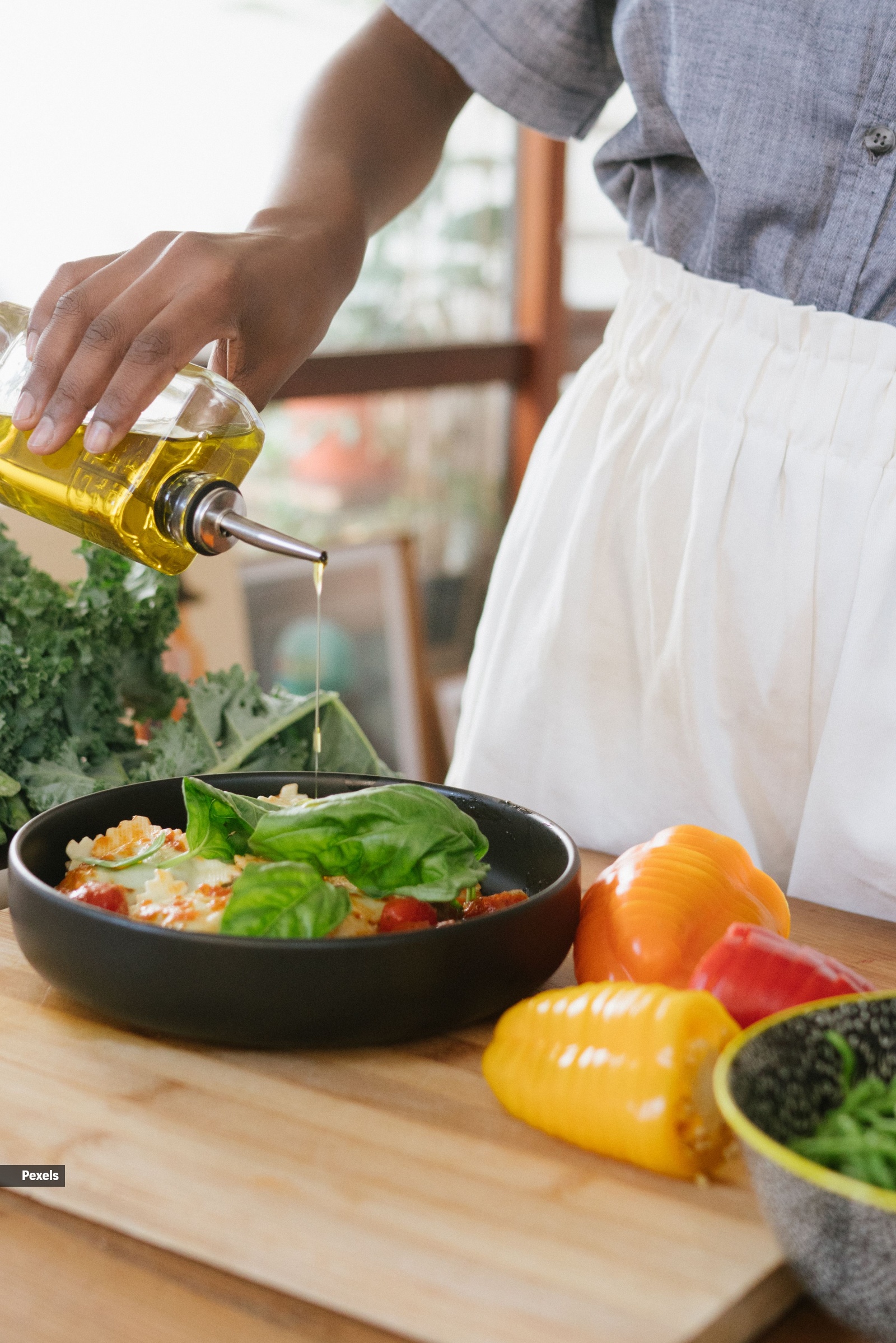 Use extra virgin olive oil for gentle cooking or to drizzle over whole grains, salads and vegetables
For most healthy adults, one to two tablespoons (15-30 ml) of extra virgin olive oil a day is considered a reasonable amount as part of a balanced diet.
Both experts stress that olive oil should replace less healthy fats such as butter, ghee and processed cooking fats—not simply be added to your existing diet. Even in Mediterranean diets, where olive oil intake may be slightly higher, it substitutes other fats rather than adding extra calories.
Story continues below this ad
Dr Agarwal recommends drizzling olive oil over salads and vegetables or using it for light cooking while keeping portions moderate. Dr Kiran also suggests using extra virgin olive oil with whole grains and balanced meals, rather than treating it as a standalone “health food.”
So, olive oil is undoubtedly a nutritious addition to the diet. But like most healthy foods, its benefits come from moderation, not excess. A balanced eating pattern rich in fruits, vegetables, whole grains and lean proteins, along with regular physical activity, remains the foundation of good health.

The paradox of de-Sinification in global production
By Sohail Khan · 28 Sep
Letters to The Editor — September 28, 2026
By Sohail Khan · 28 Sep
Kashmir as India’s gateway to Eurasian opportunity
By Sohail Khan · 28 Sep
Leave a Reply