Irregular periods, acne and hair thinning? Doctor shares 5 signs of PMOS and explains when to get tested
Irregular periods, acne and hair thinning? Doctor shares 5 signs of PMOS and explains when to get testedPublished on: Sep 19, 2026, 17:56:30 IST
Prefer HTon Google
Share via
Copy link
Learn from an expert about the signs of PMOS and when you should consult a doctor.
You may notice subtle changes, such as extra strands of hair in the shower or a sudden breakout. These may not seem alarming, as they are common and can have several causes. But when some signs show up repeatedly or together, they may signal an underlying hormonal condition.
Dr Rashmi Talwar, AVP, lab head and head of genetics at Agilus Diagnostics, shared with Lifestyle how these seemingly unrelated changes may all be connected to polyendocrine metabolic ovarian syndrome (PMOS), the new name proposed for what was previously known as polycystic ovary syndrome (PCOS). She also revealed the patterns that require medical evaluation and the tests a doctor may recommend.
“A few more strands on your pillow, a strange breakout before a big day, or jeans that feel just a little too tight may not seem like such a big deal. Such changes are often blamed on stress, a busy schedule or just the ageing process. But if skin, hair, weight and periods are all changing at the same time, then it might be worth looking beyond your day-to-day routine,” she said, suggesting that monitoring the frequency is essential.
Check for patterns in order, as Dr Talwar mentioned that changes in skin, weight, and hair can all be a sign of PMOS. She said, "These can be a sign of an underlying hormonal imbalance such as Polyendocrine Metabolic Ovarian Syndrome (PMOS), the new name for what was previously known as Polycystic Ovary Syndrome (PCOS).
Signs of PMOS
Here are some of the signs associated with PMOS, as per the doctor:
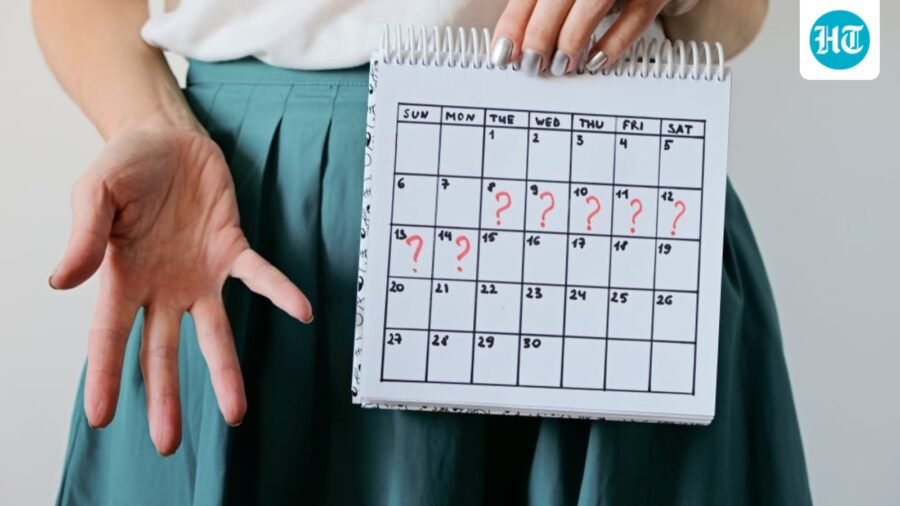
1. Your periods are no longer predictable:
- A cycle that keeps becoming longer, periods occurring fewer than eight times a year, or going more than 90 days without a period should not be routinely ignored.
- Irregular periods can be a sign that ovulation is not happening regularly.
2. Acne is no longer an occasional breakout:
- Persistent or worsening acne, especially if it comes with other symptoms.
- Can sometimes be linked to higher androgen levels seen in PMOS.
- But acne alone does not mean you have PMOS.
3. Hair thinning:
- Hair loss that is ongoing, especially thinning at the crown or a widening part, may be related to hormonal changes.
- More relevant if associated with irregular periods, acne, or more facial hair.
4. Unexplained weight gain
- Weight gain can have many causes, and on its own, it is not a sign of PMOS.
- But if unexplained changes in weight are coupled with irregular periods or other hormonal symptoms, it may be a good idea to talk to a doctor.
5. More hair on face or body:
- New or increased growth of coarse hair around the chin, upper lip, chest or abdomen may be associated with higher levels of androgens.
- If this is associated with menstrual changes, then further evaluation may be necessary.
When should you actually get tested?
The doctor cautioned that one should not wait for the symptoms to become severe or debilitating. What are the first signs that you should promptly see a doctor? She advised, “If your periods have changed consistently, or you are experiencing a combination of acne, hair thinning, increased facial hair or unexplained weight changes, speak to a doctor.”
Since PMOS is also rooted in metabolic health, Dr Talwar explained that no single test can definitely diagnose the condition. So, which tests might a doctor recommend? She said, "Depending on your symptoms and medical history, a doctor may recommend a hormone profile (e.g., testosterone, AMH, etc.), blood glucose, insulin, or metabolic tests and, where appropriate, an ultrasound or other assessment. The aim is not simply to test for PMOS, but also to rule out other conditions that can cause similar symptoms.”
Her parting advice is to look at the overall pattern, meaning a combination of symptoms rather than a single sign in isolation.
Note to readers: This article is for informational purposes only and not a substitute for professional medical advice. Always seek the advice of your doctor with any questions about a medical condition.
Catch every big hit, every wicket with Crick-it, a one stop destination for Live Scores, Match Stats, Quizzes, Polls & much more. Explore now!.
Catch your daily dose of Fashion, Taylor Swift, Health, Festivals, Travel, Relationship, Recipe and all the other Latest Lifestyle News on Website and APPs.
See Less




Leave a Reply