Iran, Venezuela and Russia: US policy has shaped India’s energy choices for two decades
By Sankalp Gurjar
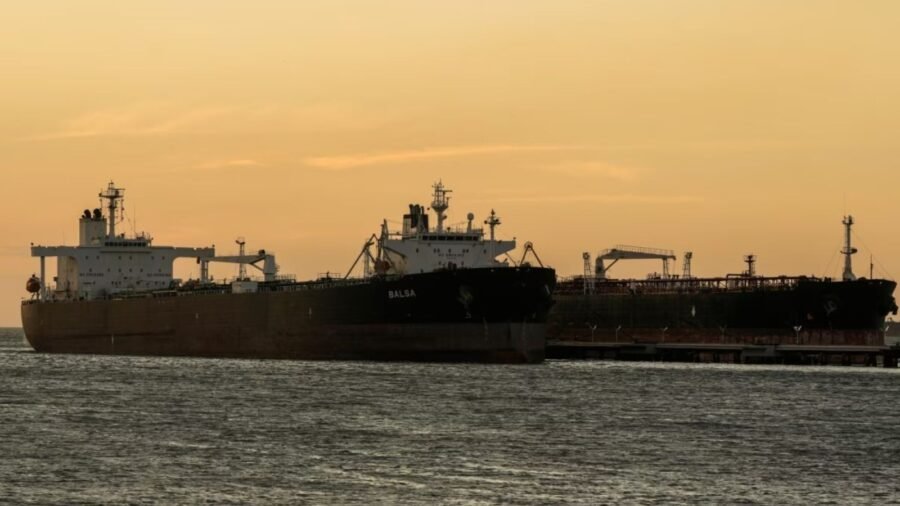
The Lindsey O Graham Sanctioning Russia Act of 2026, signed by US President Donald Trump, underscores a persistent geopolitical and geoeconomic challenge for India: An American shadow over India’s energy choices. In the last two decades, India’s energy relationships with Iran, Venezuela, and Russia have been shaped by US policy towards these three countries.
Advertisement
In the last 20 years, the US-Iran relationship has oscillated four times, and so has the India-Iran energy relationship. The 2009-2015 phase saw the US targeting Iran over the latter’s nuclear program. Washington squeezed Tehran both diplomatically and financially. After the nuclear deal was signed, between 2016 and 2018, Iran was back in the mainstream. In 2018, President Trump unveiled his “maximum pressure” policy and isolated Iran once again. Paradoxically, the Iran War this year saw the US easing some sanctions on Iranian oil exports at sea to ensure price stability in global energy markets.
Each time, India has had to adjust to the changes in US policy. In the 2009-2015 phase, India sought alternative payment mechanisms, including paying in Euros, engaging a Turkish bank, and the deployment of UCO Bank to operate special rupee vostro accounts for specific Iranian banks. Some Indian refiners also stopped buying Iranian oil. In the 2016-18 phase, India resumed Iranian oil imports and began work on the Chabahar port. After 2018, India stopped Iranian oil imports completely till 2026. Amid the war, India has again resumed oil imports.
A similar story has unravelled in Venezuela. India-Venezuela energy ties have undergone shifts five times in the last two decades. When Tehran was being targeted in the 2009-15 phase, Caracas emerged as a major oil supplier for India. Between 2008 and 2017, Venezuela occupied a prominent place in India’s oil basket. It supplied more than 4,00,000 barrels of oil per day. Effectively, it replaced Iran. In 2017, President Trump went after Venezuelan oil exports. As a result, India’s oil imports began to decline in 2018, and by 2021, India had stopped Venezuelan oil imports completely.
Advertisement
In 2023, the US eased restrictions on Venezuela as the presidential elections were due in the latter half of the year. India resumed oil imports. The US waiver expires next year, and New Delhi curtailed oil imports, for the second time in four years, from the South American country. After the capture of Nicolás Maduro in January 2026, the US had a complete de facto hold over Venezuela. As a result, India has resumed oil imports, and Caracas is among the largest oil suppliers for India now.
Finally, there is the Russian question. India increased its oil imports from Moscow after the invasion of Ukraine in February 2022. Reportedly, the Biden administration tacitly “allowed” India to purchase Russian oil and help stabilise global oil prices. However, the second Trump administration took a very different view of India.
In August last year, Indian imports of Russian oil triggered an extra 25 per cent tariff, and India became one of the highest-tariffed countries. For a while, the Indo-Russian oil trade seemed to have declined in response to US pressure. Indian refiners looked to alternative sources, including West Asia and Africa, to fill the gaps left by the Russian oil.
The Iran War changed dynamics once again. The US issued a waiver for Russian oil and kept extending it. Recently, Russia, in fact, crossed the 50 per cent mark in India’s oil import basket. Now, with a new law looming, continuing Russian oil imports have once again become a challenge for India.
For an import-dependent country like India, the American shadow over India’s energy security is a reality that New Delhi will have to deal with. Besides engaging the US, diversifying suppliers and energy sources are the only possible solutions for India.
The writer is an assistant professor of geopolitics and geoeconomics at the Gokhale Institute of Politics and Economics, Pune
Why GNIDA, NOIDA were denied ‘secured creditor’ status in Shubhkamna case
By Sohail Khan · 21 Sep
Inside Blairquhan Castle, where Jyotika and Suriya celebrated 20 years of marriage
By Sohail Khan · 21 Sep
Ecostani: SIR, voter deletion and 2029 Census challenge
By Sohail Khan · 21 Sep
Leave a Reply