Ecostani: SIR, voter deletion and 2029 Census challenge
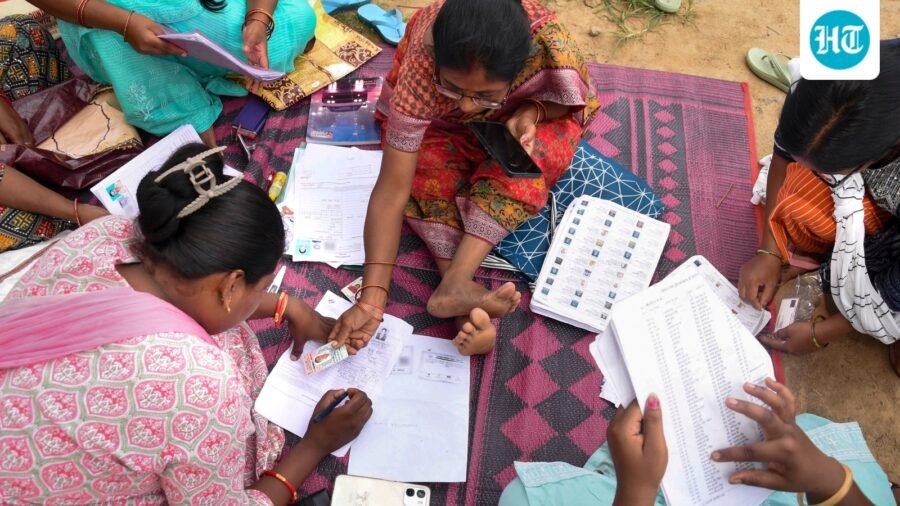
Before the SIR started in 2003-04, the total number of voters in India was 63.8 crore
Published on: Sep 21, 2026, 14:40:30 IST
Prefer HTon Google
Share via
Copy link
India’s Chief Election Commissioner (CEC) Gyanesh Kumar said in Ahmedabad earlier this month that problems related to exclusion of names in the Special Intensive Review (SIR) in states would be resolved by the Lok Sabha polls in 2029.
“Our focus is to clean the electoral rolls of those who are dead, shifted, absent and duplicates from the electoral rolls. As a Constitutional authority, we depend on documents. You have to provide your documents or of your parents, to prove you are Indian,” he said, recalling that a similar SIR exercise was also conducted in 2003-2004.
What the numbers say
Let’s look at the numbers to examine what happened during the 2003-2004 SIR.
Before the SIR started in 2003-04, the total number of voters in India was 63.8 crore. By the time the SIR ended before the 2004 Lok Sabha polls, the number of voters had increased to 67.18 crore. Since there was an increase of about 5.9 crore voters between the 1999 and 2004 elections, there was no uproar.
The reason was that the growth in the total number of voters was similar to the growth recorded between Lok Sabha polls since the 1970s and met the population projections for the time. As per the 2001 census, India’s population was 1.02 billion, and the country’s adult population was 65.6 crore.
More than two decades later, the Election Commission of India (ECI) decided to conduct another SIR and the outcome so far has been a mind-boggling – and controversial — deletions of voters from the electoral rolls.
Voter deletions
Before the start of SIR in 2025, India’s total voters in February 2026 was 99.18 crore. So far, close to 10 crore names have been deleted from electoral rolls in all states, except in Himachal Pradesh, Jammu and Kashmir and Ladakh, where the SIR has not been conducted.
By the time exercise is completed by mid-2027, around 11 crore names are likely to be deleted from the electoral rolls, and India’s voter strength could reduce to about 88 crore — three crore voters less than India’s electoral strength in 2019.
A large number of voters, who find their names deleted from the electoral rolls are likely to be from the deprived and poorer sections, who don’t have documents to prove their citizenship before the ECI. The documents sought such as birth certificates, names in earlier SIR, and land ownership documents are similar to the one needed for inclusion in the Assam’s National Register of Citizens (NRC) in 2019.
A difference between the ongoing SIR and the one conducted in 2003-04 version is the introduction of software algorithms-based logical discrepancy in the 2025-26 SIR. This resulted, for example, in deletion notices being sent to about one-third of the voters in the draft SIR in Delhi.
If one goes by Kumar’s statement, excluded Indian citizens would have two years for including their names in the electoral roll as new or first-time voters. This would mean they will have to produce their or their parents' birth certificates and a photo identity document with the enrolment form, the exercise many had already undertaken once during the SIR.
Once again, the power to decide on citizens’ voting right will rest with the electoral registration officer who is not authorised as per the Citizenship Act to decide citizenship; that responsibility actually rests with a district magistrate, as per the Union home ministry.
The entire process under SIR is arbitrary with electoral registration officers rejecting forms without proper explanation as seen in West Bengal, where a Supreme Court-appointed Tribunal restored 90% of the names removed from the electoral rolls in the SIR in early 2026. No such tribunal has been announced for any other state, although voter rights groups are expected to move the Supreme Court against the ongoing SIR exercise.
By 2029, the SIR is also expected to face the Census challenge, unless the government decides to postpone declaring Census findings.
Questions would be raised if there is an unexplained difference between post- SIR voter numbers and the Census population figure for the adult or voting population. As per United Nations population estimates, India’s projected population by 2029 would be 151 crore of which about 112 crore to 115 crore could be adult.
In 2029, the voter population — if one goes by electoral roll increase since 2019 Lok Sabha polls — is projected to be between 107 and 108 crore. In five years, about 8-10% increase on voter numbers has been recorded during this period. In 2024, India had 97.97 crore voters.
In 2029, the electoral roll based on the SIR could have India’s electoral rolls at 88 crores, a difference of about 20 crores from the projected voter number for that year. The difference is higher with the estimated number of adults by then. If that happens (unless the EC goes on a massive addition of new voters between 2027 and 2029 as Kumar hinted), the EC will have a lot to explain.
Get Current Updates on India News, Elections 2024, Lok sabha election 2024 voting live , Karnataka election 2024 live in Bengaluru , Election 2024 Date along with Latest News and Top Headlines from India and around the world.
See Less

Why GNIDA, NOIDA were denied ‘secured creditor’ status in Shubhkamna case
By Sohail Khan · 21 Sep
Inside Blairquhan Castle, where Jyotika and Suriya celebrated 20 years of marriage
By Sohail Khan · 21 Sep
Iran, Venezuela and Russia: US policy has shaped India’s energy choices for two decades
By Sohail Khan · 21 Sep
Leave a Reply