In Nagoya, the real art is under your feet, not the Asian Games
Story continues below.
Subscribe to see fewer ads.
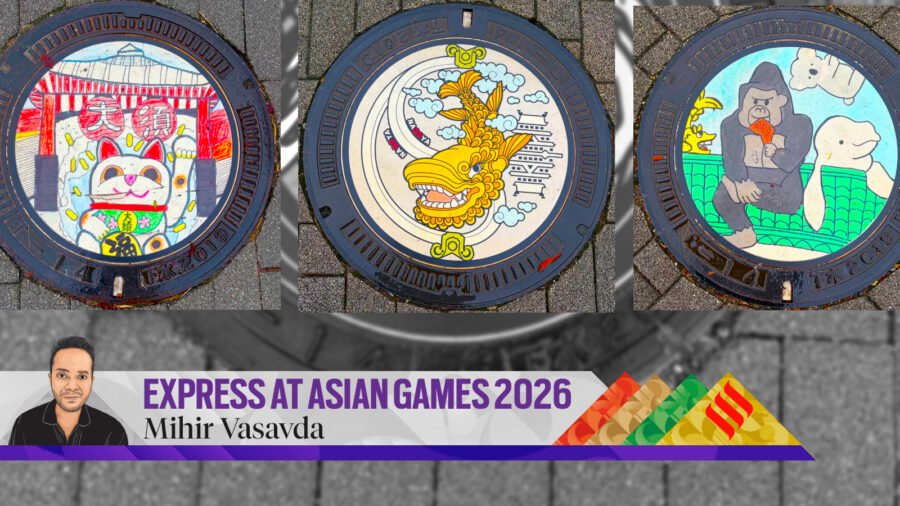
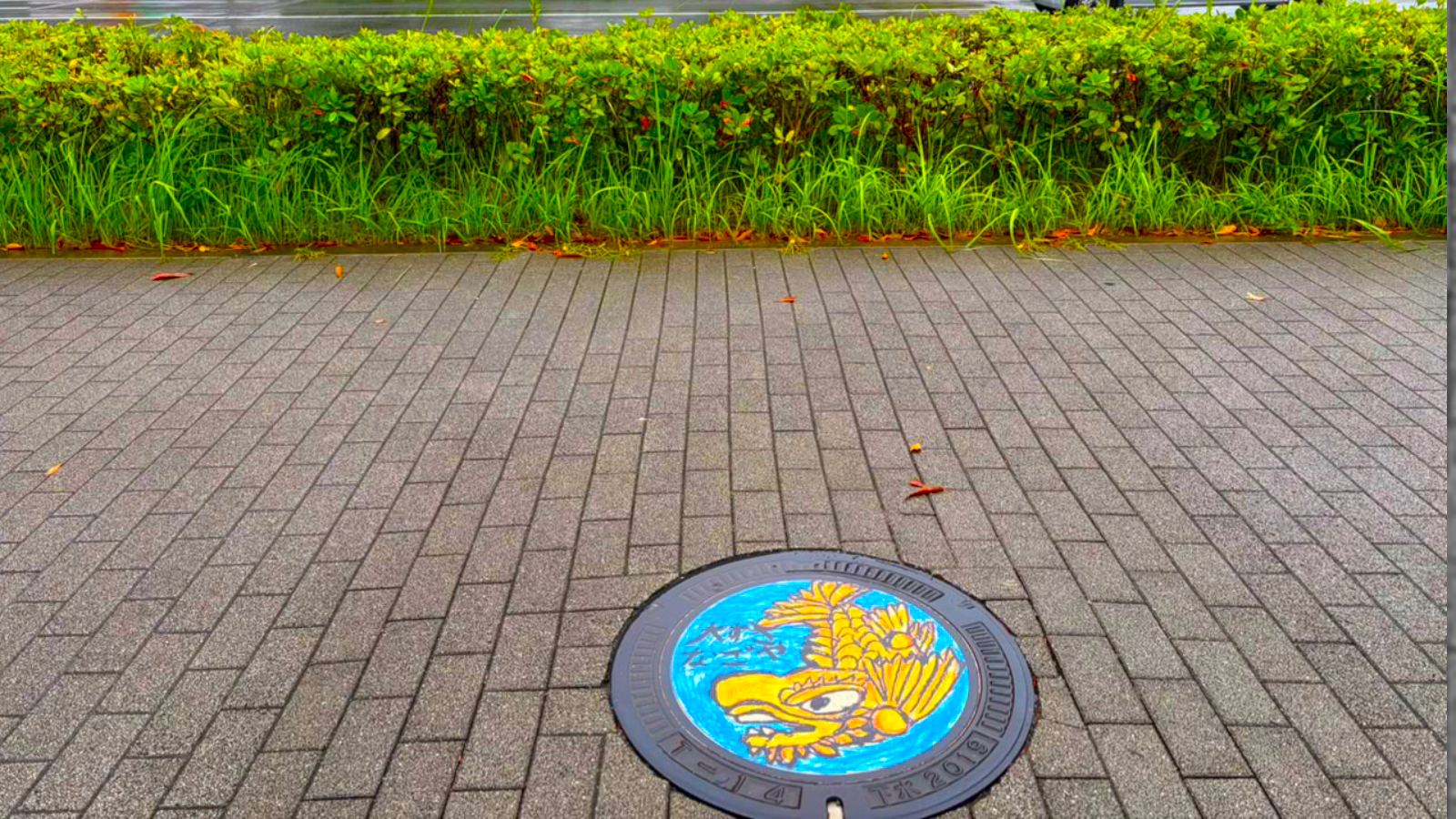 For a city with such a rich visual identity above ground, it is striking how much of it has been reproduced below on Nagoya’s pavements.
Suzuki Hitoya, the museum’s manager, says the covers have become a way for communities across Japan to express what makes them distinctive. “There are various designs in order to produce the originals of each prefecture,” he says. “If it’s Nagoya, it’s mackerel. If it’s Mie Prefecture, it’s a maguri and a bird.”
Flowers, birds, animals, landmarks, local scenery: all of it finds its way onto the covers. Nagoya has about 198,000 manholes across an 8,000-kilometre sewer network, and nearly two dozen types of covers, according to the city administration.
The process of choosing a design isn’t always the same. Sometimes, Hitoya says, a municipality identifies something it wants to showcase – a local flower, a famous view, a landmark – and asks a manhole manufacturer to turn it into a design. Other covers come from public or student competitions, or from designers commissioned for the job. The final choice rests with the local water and sewerage bureau.
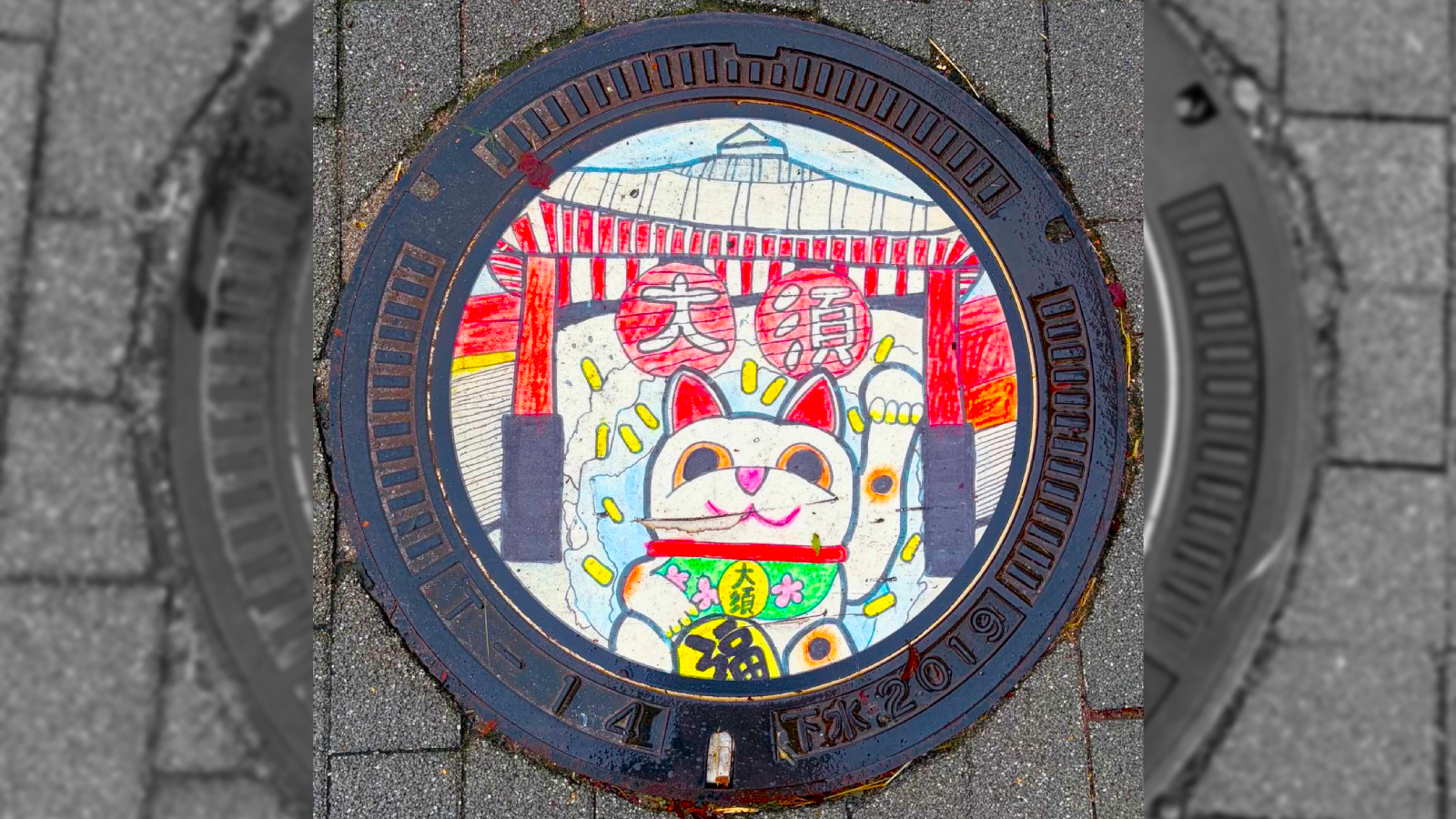 Flowers, birds, animals, landmarks, local scenery: all of it finds its way onto the manhole covers in Nagoya.
“There are places where we ask citizens to submit a design to everyone,” Hitoya says. “And we ask a designer somewhere to make a design at the end of the gap, but the water supply and sewerage bureau is selecting it.”
Story continues below this ad
The idea began as little more than a manufacturer’s suggestion, an early proposal for a cover decorated with a pear flower, which drew little attention. It spread only once municipalities began using the covers to express local pride. There was a practical motive too, Hitoya says: a nationwide effort to improve the image of sewage systems. The manhole became an unlikely canvas, popular enough now to have its own social media communities, and its own auctions.
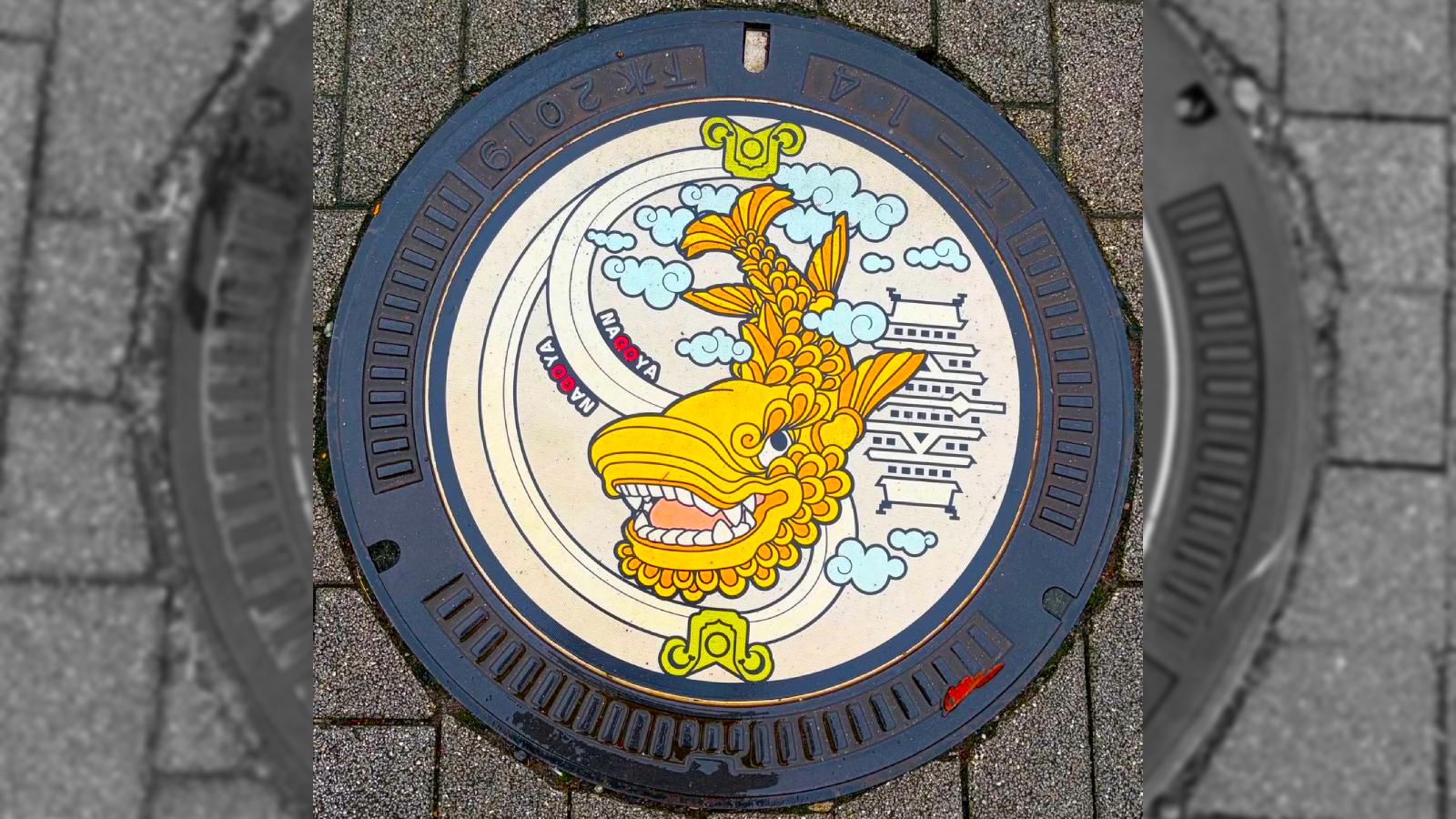 Nagoya has about 198,000 manholes across an 8,000-kilometre sewer network, and nearly two dozen types of covers, according to the city administration.
The novel use of a mundane item of urban infrastructure has become such a feature of Japanese popular culture that it has caught the eye of Major League Baseball in the United States, where several of the country’s sporting heroes ply their trade.
Shohei Ohtani, Yusei Kikuchi and Roki Sasaki had custom-designed manhole covers dedicated to them unveiled in Iwate Prefecture in 2025, and more such initiatives were in the pipeline, The Japan Times had reported.
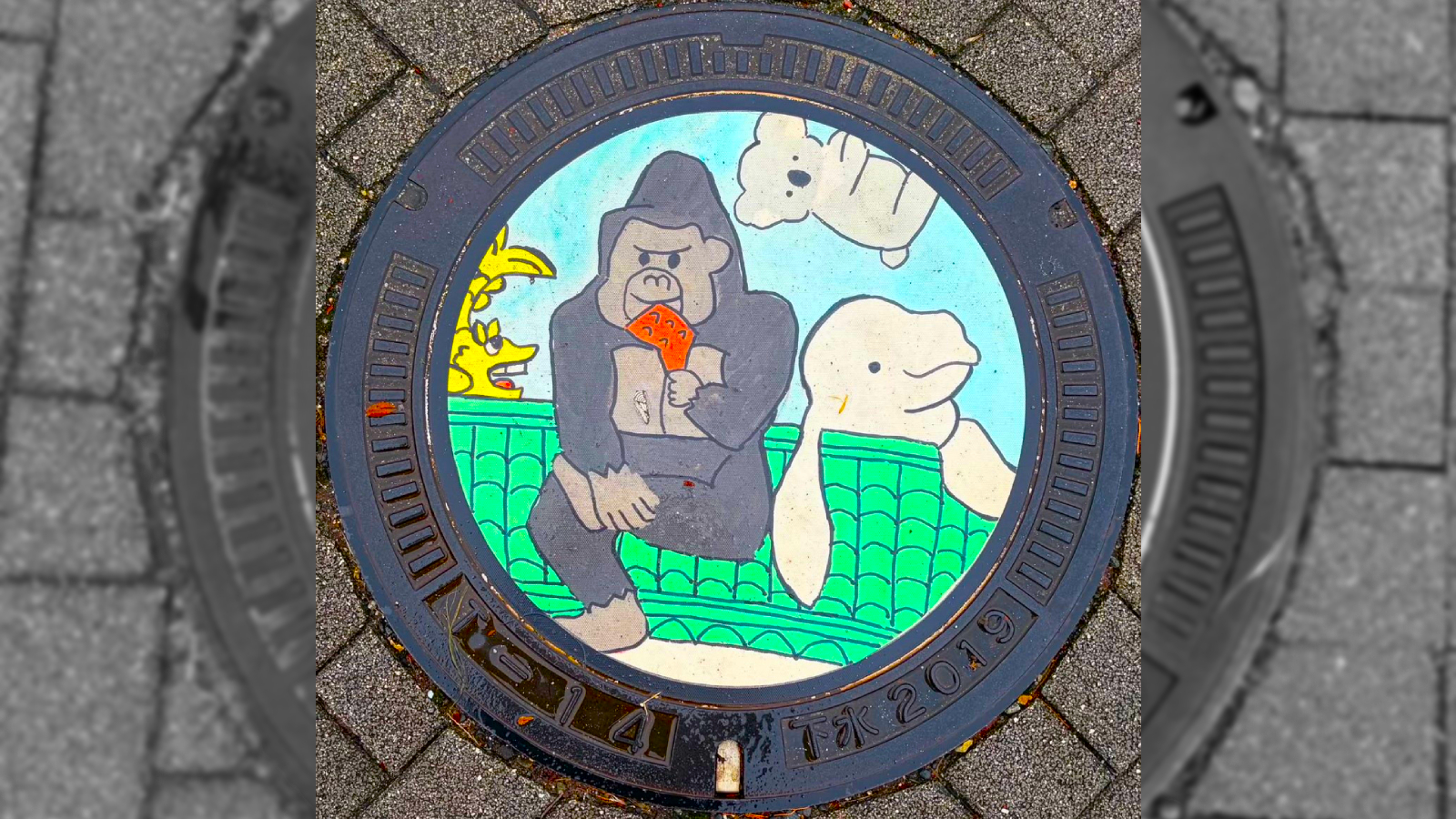 The process of choosing a design isn’t always the same. Sometimes, a municipality identifies something it wants to showcase – a local flower, a famous view, a landmark. Other covers come from public or student competitions.
***
Story continues below this ad
Nagoya’s covers carry layers of the city’s history. One design featuring Nagoya Castle was created around the 1989 World Design Expo. Another marks a century of sewerage service with the Nayabashi bridge over the Horikawa river.
Then there is the amenbo, seen in every lane. At first glance, it looks almost extraterrestrial, round eyes, a flattened body, long legs stretched across the metal. It is, in fact, a water strider, chosen through a public competition in 1992 to mark the 80th anniversary of Nagoya’s sewerage operations. Water striders live only in clean, unpolluted water, which is why the insect was picked. It went on to become the city’s sewerage mascot, and from there, a fixture on its manhole covers.
The designs are as varied as the city’s identity: Nagoya Castle, bowls of miso-nikomi udon, fish, samurai figures, a bustling cityscape, a giant golden shrimp for the city’s fondness for ebi. Each turns a familiar piece of Nagoya into a miniature work of street art. The designs draw on pop culture too. Amid the castles and civic symbols, there is Pokemon.
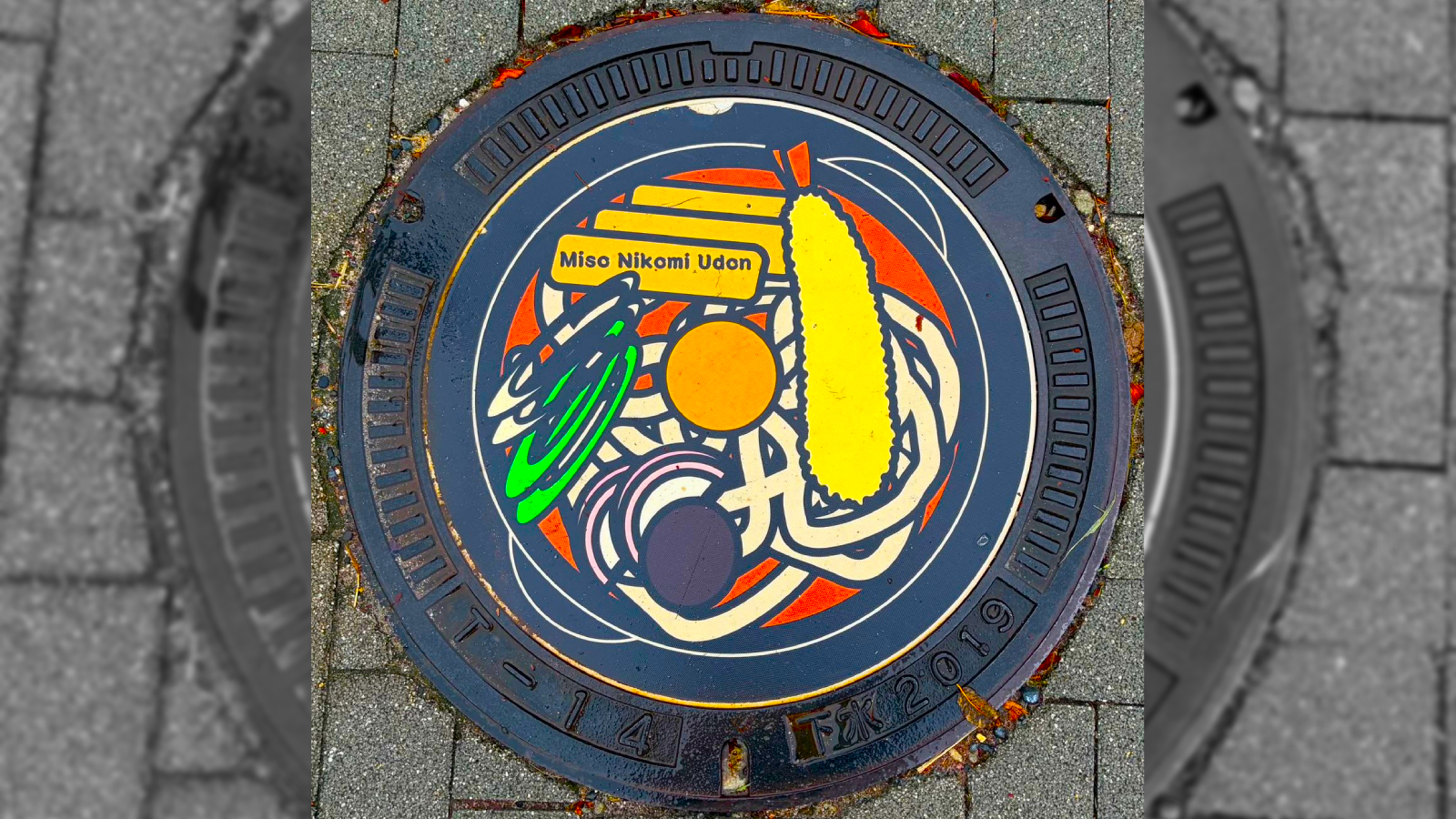 The designs are as varied as the city’s identity: Nagoya Castle, bowls of miso-nikomi udon, fish, samurai figures, a bustling cityscape, a giant golden shrimp for the city’s fondness for ebi.
Nagoya has its own Poke Lid, part of a nationwide project placing specially designed Pokemon manholes across Japan. The Nagoya cover sits near Nagoya Castle, its Pokemon chosen for the city, bringing one of Japan’s oldest symbols together with one of its most recognisable modern exports.
Story continues below this ad
The covers aren’t all telling the same story. Some mark an event, some a landmark, some reflect local nature, others simply put a city’s stamp on an anonymous piece of infrastructure. Some have become collectibles: retired covers sold as souvenirs, objects that spent decades being driven and walked over now things people choose to take home.
It is an unusual fate for something designed to be ignored. But together, the covers make a map of Nagoya’s identity. The city’s grand history is above ground. Some of its smaller stories are underfoot.
You just have to look down.




Leave a Reply