How to identify naturally ripened papaya: What to look for
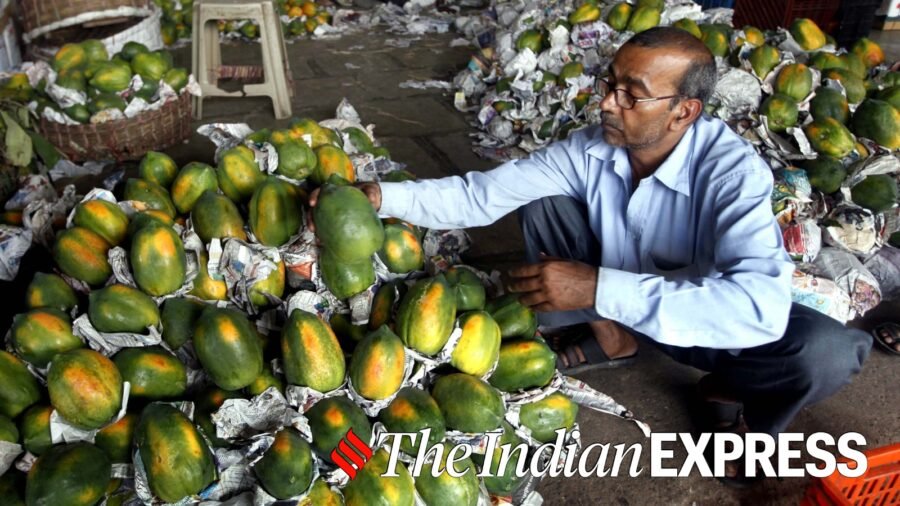
A uniformly yellow papaya may raise suspicions among shoppers, particularly because an unusually bright, even colour is often associated with artificial ripening. But does a yellow papaya necessarily mean it has been chemically ripened?
“No, a uniformly yellow papaya does not automatically mean it has been chemically ripened,” Himanshi Sharma, Chief Clinical Nutritionist, ISIC Multispeciality Hospital, tells indianexpress.com.
In fact, naturally ripened papayas can also develop an even yellow or golden-yellow colour when allowed to mature fully on the tree. Factors such as variety, growing conditions and harvest stage can also influence how the fruit looks when ripe.
Story continues below.
Subscribe to see fewer ads.
What should you look for when buying papaya?
Instead of judging a papaya only by its colour, consumers should check its aroma, texture and overall appearance.
“Naturally ripened papayas usually have a pleasant sweet aroma, slightly soft flesh when gently pressed, and consistent ripening from the skin to the centre of the fruit.”
A papaya that appears bright yellow on the outside but remains hard, pale or unevenly ripe inside may raise suspicion. Some may also lack the characteristic fruity smell. However, these signs are not foolproof, and appearance alone cannot confirm whether a papaya has been artificially ripened.
Story continues below this ad
Which chemicals are used to ripen papayas?
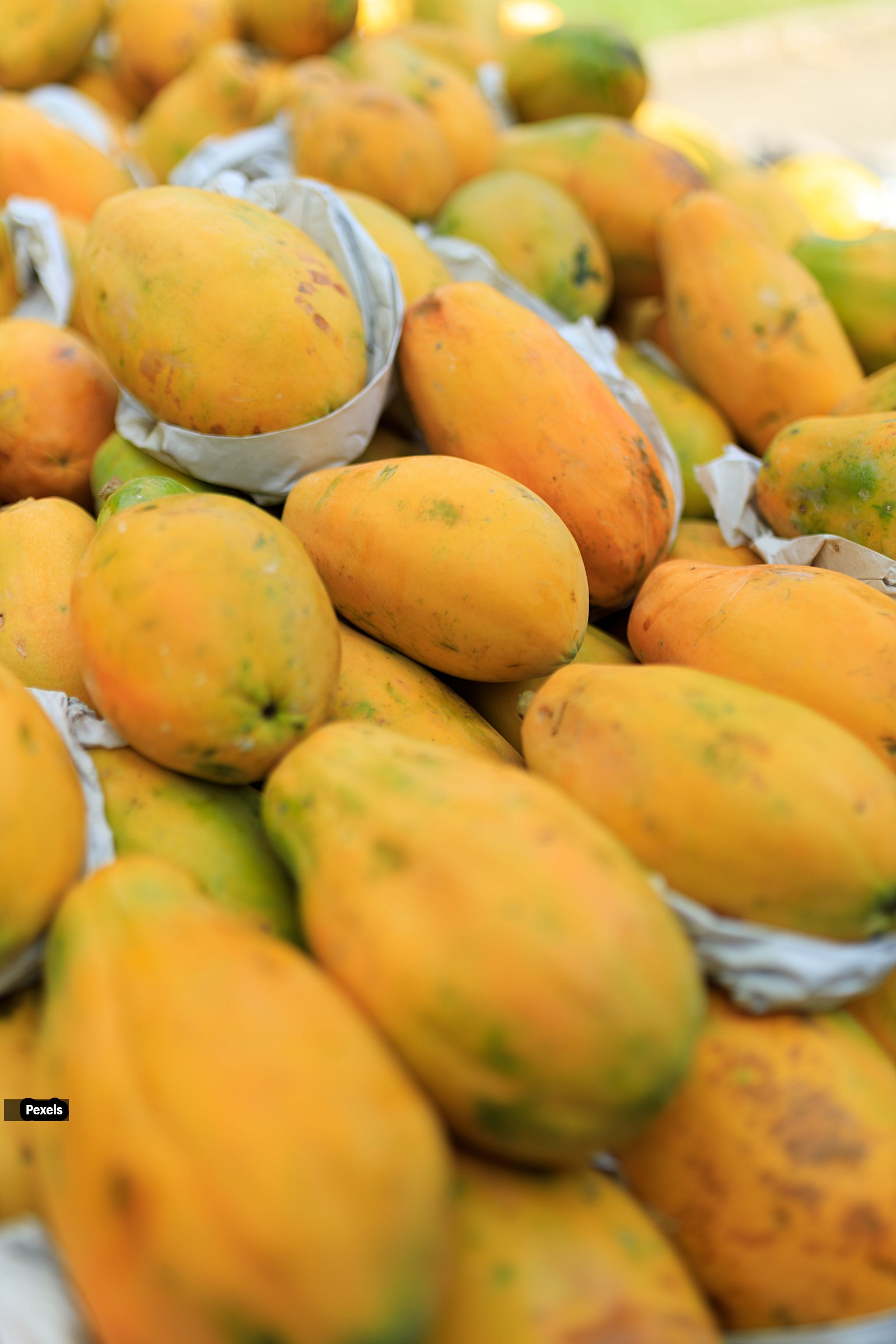 Artificially ripened papayas may sometimes appear bright yellow on the outside but remain hard, pale, or unevenly ripened inside
Ethylene gas is commonly used for commercial fruit ripening. It mimics the fruit’s natural ripening hormone and is considered safe when used correctly.
“However, some traders may illegally use calcium carbide, which can release harmful substances and is not recommended for food ripening,” the nutritionist warns.
For consumers, buying fruit from trusted vendors who follow safe ripening practices can help reduce the risk of improperly ripened produce.
Can you test a papaya at home?
“Unfortunately, there is no simple home test that can reliably confirm whether a papaya has been artificially ripened,” Sharma tells indianexpress.com.
Story continues below this ad
“While uneven ripening, lack of aroma, or unusually firm flesh despite yellow skin may raise suspicion, these signs are not definitive.” Laboratory testing is the only accurate way to detect certain ripening chemicals.
The best approach, as per the nutritionist, is to choose papayas that show natural signs of ripeness, such as a sweet smell and slight softness, and buy them from reliable sources.
Does artificial ripening affect taste or nutrition?
Artificial ripening may affect a fruit’s flavour and texture because the natural ripening process is sometimes shortened. Naturally ripened papayas tend to have a richer sweetness, better aroma and softer texture, while artificially ripened fruits may occasionally taste bland or have an uneven texture.
“Nutritionally, differences may not always be significant, but naturally ripened fruits generally develop their flavour and quality more completely,” Sharma said. Safe ripening practices are important to ensure both quality and consumer safety.
Story continues below this ad
If consumers suspect that a papaya has been artificially ripened using unsafe chemicals, Sharma recommends avoiding it and choosing fruit from a trusted source instead. Washing fruits thoroughly before cutting can help remove surface residues and dirt.
“Consumers can also report concerns to local food safety authorities if they repeatedly notice suspicious fruits being sold.”
Thus, a uniformly yellow papaya is not, by itself, proof of chemical ripening. Look at the aroma, firmness and overall appearance rather than judging the fruit by colour alone.

Kim Kardashian has esophagitis; why her father’s oesophageal cancer history matters
By Sohail Khan · 22 Sep
Influencer Clavicular charged with rape: How ‘looksmaxxing’ hooked young men
By Sohail Khan · 22 Sep
Rohit Roy on brother Ronit Roy’s ‘bad boy’ phase: ‘We lived in constant fear’
By Sohail Khan · 22 Sep
Leave a Reply