HbA1c and anaemia: Why your blood sugar test may not tell the full story
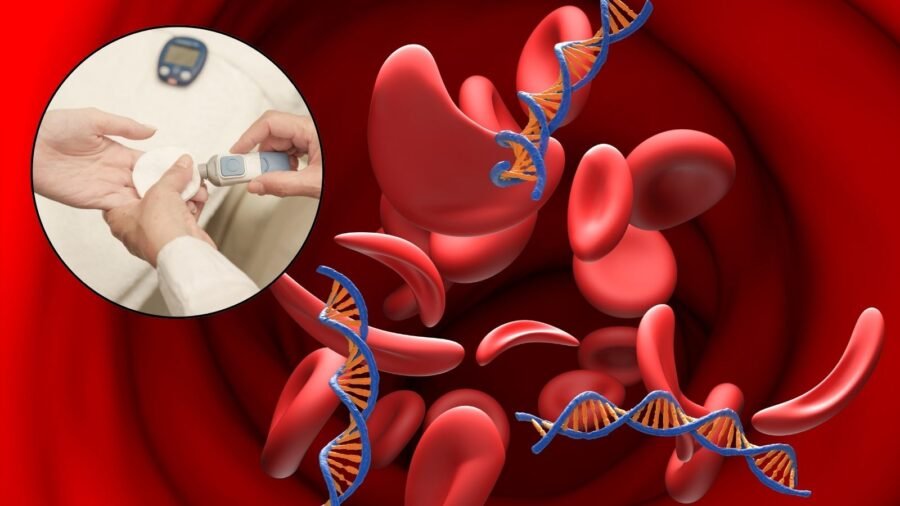
Blood sugar tests often assess a person’s risk of diabetes and monitor glucose control. But not every test reflects blood glucose in exactly the same way. This raises an important question for people with anaemia: could a condition affecting the blood also influence how a diabetes test is interpreted?
The concern is particularly relevant to HbA1c, a commonly used test that estimates average blood glucose over the previous two to three months. Because HbA1c depends on red blood cells and how long they remain in circulation, conditions that affect these cells could potentially influence the result.
Story continues below this ad
Anaemia is not a single condition, and its causes can vary. Iron deficiency, blood loss and other conditions can affect red blood cell production or lifespan in different ways. That means an unexpectedly high or low HbA1c may not always tell the full story about a person’s glucose levels.
If someone’s HbA1c doesn’t align with their home glucose readings or symptoms, it is important to understand whether another health condition could be affecting the result. An expert explains which types of anaemia can interfere with HbA1c, how significant the effect can be and what doctors may consider when the test result does not fit the broader clinical picture.
Can anaemia affect HbA1c levels?
“Yes,” says Dr Palleti Siva Karthik Reddy, MBBS, MD General Medicine, FAIG, Consultant Physician at Elite Care Clinic, adding, “Iron-deficiency anaemia can sometimes make HbA1c appear higher than the person’s actual glucose levels would suggest.”
He adds that HbA1c measures how much glucose has attached to haemoglobin over the lifespan of red blood cells. In iron deficiency, red blood cells may remain in circulation longer and have more time to accumulate glycated haemoglobin, which can push the HbA1c value upward even without a corresponding rise in blood glucose. This is why an unexpectedly high HbA1c should not automatically be interpreted as worsening diabetes when significant iron deficiency is present.
Story continues below this ad
Which types of anaemia can interfere with HbA1c?
Any condition that significantly changes the lifespan, production or destruction of red blood cells can affect HbA1c. Iron-deficiency anaemia may falsely elevate it, Dr Reddy says, while haemolytic anaemia, recent blood loss or conditions that shorten red blood cell survival can produce a falsely low HbA1c.
The expert adds, “Haemoglobin variants and disorders such as sickle cell disease and thalassaemia can also interfere with HbA1c interpretation, depending on the condition and laboratory method used. A red flag for doctors is a clear mismatch between HbA1c and repeated fasting, post-meal or home glucose readings. In such cases, haemoglobin levels, red blood cell indices and the underlying cause of anaemia need to be considered before making treatment decisions based on HbA1c alone.”
What tests can assess glucose when HbA1c is unreliable?
When HbA1c is considered unreliable, doctors can use fasting and post-meal blood glucose measurements, continuous glucose monitoring or structured home glucose monitoring to understand actual glucose patterns.
“Fructosamine or glycated albumin can also be useful because they reflect glucose control over a shorter period and are not dependent on the lifespan of red blood cells. The underlying anaemia should be identified and treated rather than simply adjusting diabetes medication on the basis of a potentially misleading HbA1c. Once the anaemia and red blood cell turnover have stabilised, HbA1c can generally be interpreted with greater confidence,” concludes Dr Reddy.
Story continues below this ad

This is what happens to the body when you frequently take painkillers and antibiotics
By Sohail Khan · 30 Sep
Modern ways to style a sari without a traditional blouse
By Sohail Khan · 30 Sep