Growing reach of Hindi and regional languages
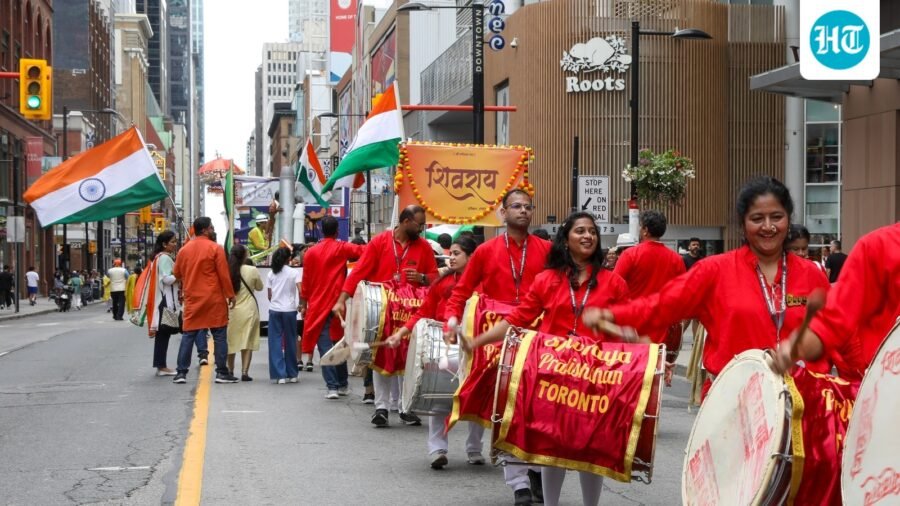
I am confident and optimistic about the future of the Hindi language, and proud of its glorious past
Updated on: Sep 14, 2026, 06:25:03 IST
Prefer HTon Google
Share via
Copy link
Last week, while addressing India’s Gen Z and Gen Alpha, Prime Minister Narendra Modi chose to speak in Hindi. He could have chosen Gujarati, as the event was being organised in Vadodara. However, Modi wanted to reach a larger audience. Hindi, thus, was the right choice.
This is the reason he chose Varanasi along with Vadodara as a perfect option from where to contest the 2014 Lok Sabha elections. After winning both seats, he chose Varanasi. The corridors of power believe all roads to New Delhi pass through Uttar Pradesh — before Modi, Uttar Pradesh has given seven PMs to the country.
The importance of Hindi and the Hindi belt is acutely articulated by politicians from the non-Hindi-speaking parts of the country. After PM Jawaharlal Nehru’s demise in 1964, a powerful faction within the Congress Party requested party president Kumaraswami Kamaraj to become the PM. He declined, insisting he didn’t know Hindi, which was necessary to become PM.
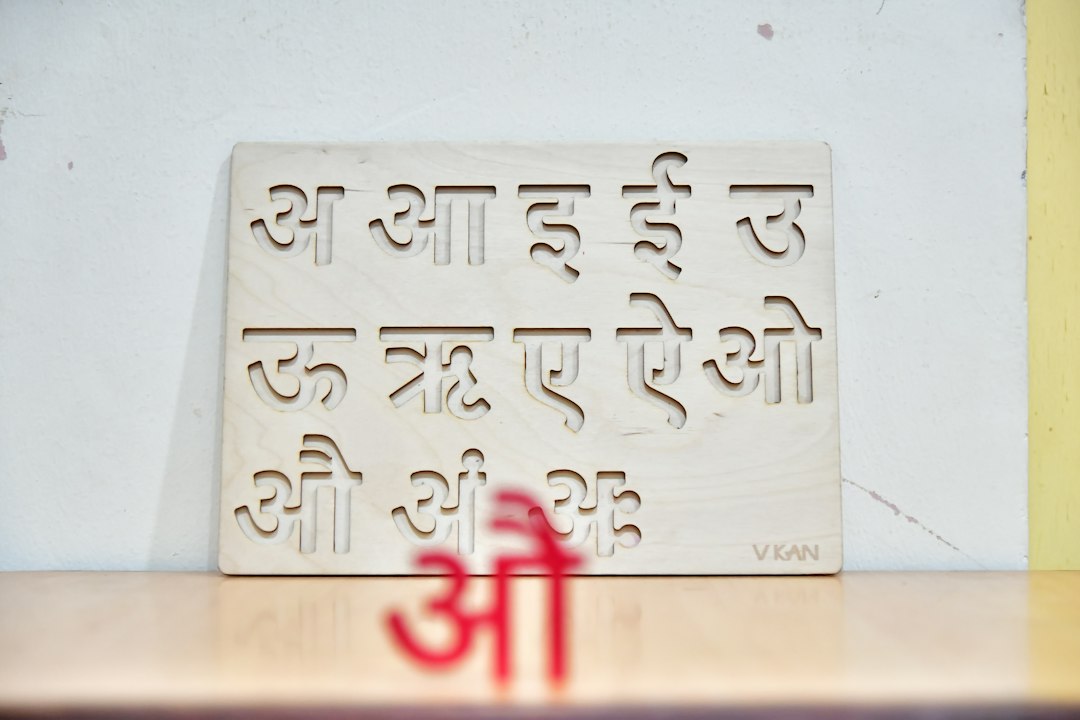
On Hindi Day (September 14), I can say with pride that Hindi is acquiring a global footprint. According to data from the international database, Ethnologue, the total number of people who can speak, understand and use Hindi language stands at over 610 million. It includes people listing it as their mother tongue as well as those who mention it as their second or third language of preference. Ninety percent of them live in India. The remaining 10% live outside the country and act as its brand ambassador.
The majority of Hindi-speaking population outside India is concentrated in Nepal, the UAE, the US, Mauritius, Fiji, Guyana, Trinidad, the UK, and Canada.
I am mentioning this for a reason. The GDP of all these countries will total around 50% of the global GDP. Almost 30 to 40 million NRIs regularly contribute financially to their relatives, religious institutions, saints, etc. Remittances are key to our foreign exchange reserves.
However, this isn’t the only source of foreign capital. Our artistes and films earn millions in foreign markets. If you want to have influence in a country, you must send your people even before opening an embassy. This is the reason we see politicians in the UK, the US, and Canada celebrating Hindu and Sikh festivals. These countries have seen large Indian immigrant influx since the 19th century.
Before Independence, when Mahatma Gandhi along with his close associates tried to establish Hindi as the national language, some Congress leaders from the non-Hindi speaking states voiced concerns. After a lot of deliberations, it was decided that for the initial 15 years every state will use English for official work and then a decision on the language would be taken considering the prevailing conditions in the future.
If we are proud of our language, then we should also respect the regional languages as well. Rasool Gamzatov, the legendary writer of My Dagestan, once wrote that if the Avar language was his mother, then Russian and other languages would be his aunts. Whatever politics or politicians might say, languages can act as bridges between people. Indians have proved this: Had it not been the case, the language movements of the 1960s and 1970s would have ripped India apart.
However, the AI age offers us a unique chance to correct our past mistakes. Today, anyone can easily watch films starring South Indian actors like Mamootty, Mahesh Babu, Mohanlal, Vijay and Allu Arjun dubbed in Hindi. Let me share its positive impact. In November 2024, during the release of Pushpa 2’s trailer, South Indian star Allu Arjun visited Patna. A crowd of 1.5-2 lakh people gathered to welcome him. Most of them were from Gen Z or Gen Alpha.
This is the reason the 80-100 million Hindi-speaking people living in the non-Hindi speaking states face no social or economic issues. Social media too is playing its part in bridging the gap. It’s creating new idioms that feature amalgamation of words and terms from different local and foreign languages. The internet age could very well achieve what our forefathers only hoped for fondly.
As far as Hindi is concerned, I am as confident and optimistic about its future, and proud of its glorious past. Best wishes to all on Hindi Day!
Shashi Shekhar is editor-in-chief, Hindustan. Views expressed are personal
Get Current Updates on India News, Elections 2024, Lok sabha election 2024 voting live , Karnataka election 2024 live in Bengaluru , Election 2024 Date along with Latest News and Top Headlines from India and around the world.
See Less
BAPS goes to Paris
By Sohail Khan · 14 Sep

Expert Explains | Can India and Bangladesh reset ties under Tarique Rahman?
By Sohail Khan · 14 Sep
Leave a Reply