Greater Noida Bus Fire: Why Buses In India Keep Turning Into Firetraps
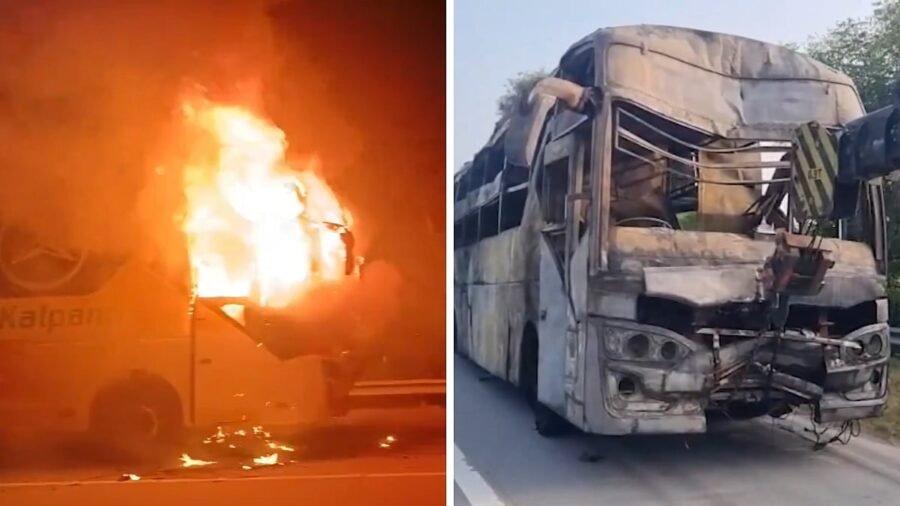
The Jewar sleeper bus fire that killed nine passengers has renewed concerns over bus safety in India. Despite regulations for bus body design and fire safety, implementation gaps continue to cause fatal disasters
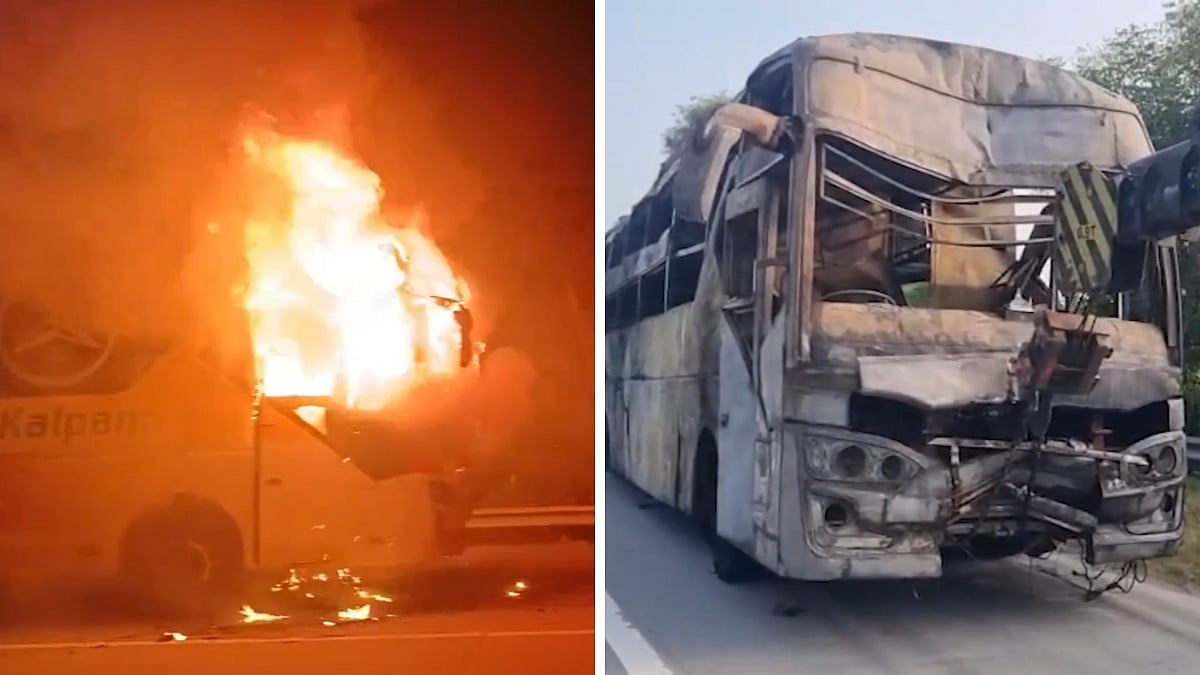
Greater Noida Bus Fire: Passengers Of Ill-fated Vehicle, Eyewitnesses Recall Moments Of Horror |
On the night of September 23, 2026, a Delhi-to-Mahoba sleeper bus carrying 35 passengers transformed into an inferno along the Yamuna Expressway near Jewar in Greater Noida.
Within minutes, toxic black smoke choked the interior, killing nine people—eight men and one woman—due to burns and suffocation, while over 20 passengers scrambled through windows or were rescued by emergency teams.
What triggered the fire?
Survivors reported smelling a distinct burning odour coming from the driver’s cabin well before the flames burst out. Initial investigations suggest an electrical spark or blast in the air-conditioning unit ignited engine lubricants, rapidly turning the crowded, sealed vehicle into a deadly trap.
This tragedy on the outskirts of the National Capital is not an isolated incident. Between May 15, 2025 and September 23, 2026, India recorded at least 12 major bus fire incidents across multiple states, resulting in a total of 75 fatalities.
`;
The deadly streak includes catastrophic blazes in Jaisalmer (20 deaths) and Kurnool (25 deaths) in October 2025, as well as lethal collisions and fires in Bardoli, Gujarat (7 deaths) and Dausa, Rajasthan (8 deaths) in mid-2026.
The sheer frequency of these accidents reveal systemic vulnerabilities.
Why long-distance buses are vulnerable to fires
The vast majority of vehicle fires in India begin with an electrical short circuit, driven primarily by widespread, non-standard aftermarket modifications.
When long-distance buses leave factory assembly lines, they meet basic electrical frameworks.
However, private fleet operators routinely send chassis to unorganised body builders to install extra air-conditioning units, high-intensity interior lighting, personal mobile charging sockets at every berth and elaborate entertainment systems.
These heavy electrical additions draw significantly more power than the original wiring circuits were engineered to handle resulting in electrical sparks easily igniting anything flammable in the vicinity.
In many Indian sleeper and luxury buses, cabin interiors are packed with highly flammable synthetic components like polyurethane foam mattresses, synthetic upholstery fabrics, plastic wall panelling and fibre-reinforced polymers.
When exposed to open flames or intense electrical heat, these materials catch fire within seconds and emit heavy volumes of carbon monoxide and hydrogen cyanide gas.
Even when passengers survive the initial flash of heat, escaping a burning bus fitted with such flammable upholstery is a nightmare. A narrow isle, doors within only make the exit even harder. Toughened glass in AC buses, lack of proper emergency exits only trap the hapless passengers inside.
The quality of maintenance of the vehicle also determines how prone the vehicle is to fire while traversing hundreds of kilometres everyday.
Are there rules governing bus safety in India?
Yes, there are. But the real question is how religiously are they followed?
India has clear statutory regulations governing vehicle safety, but enforcement has historically lagged due to loopholes in regional registration processes.
Under the Central Motor Vehicles Rules, 1989, buses must comply with Automotive Industry Standards AIS-052 (Bus Body Code) and AIS-119 (Sleeper Coach Standards).
Historically, compliance with the Bus Body Code prior to late 2025 was largely voluntary or governed by self-declarations submitted by local body builders to Regional Transport Offices.
This allowed sub-standard, customised sleeper coaches to get registered without rigorous type-approval testing.
Although effective September 1, 2025, self-certification by body builders was abolished and all fully built buses with seating capacities over 22 must obtain formal type-approval from government-recognised testing agencies, the fire hazards in these buses have barely disappeared.
Even as existing operational sleeper coaches must be retrofitted with mandatory safety features including those preventing fire hazards, the result is far from satisfactory. The government has mandated strict RTO verification during annual fitness renewals but these has not brough down these horrific incidents.
Safety on paper only!
While technical codes and mandatory checklists exist on paper, the recurring nature of bus fires highlights an operational gap between legislation and ground enforcement.
Until every commercial bus on the road adheres strictly to non-flammable interior standards, operational emergency exits and functional automatic fire suppression systems, long-distance bus travel will remain dangerously vulnerable to avoidable fire disasters.

Add As a
Trusted Source 

Maithan Alloys Acquires 0.24% Stake In ESDS Software For ₹50.19 Crore
By Sohail Khan · 24 Sep


Leave a Reply