Global stock markets fall as US-Iran strikes push oil to $95, bond yields surge, Fed rate hike bets rise
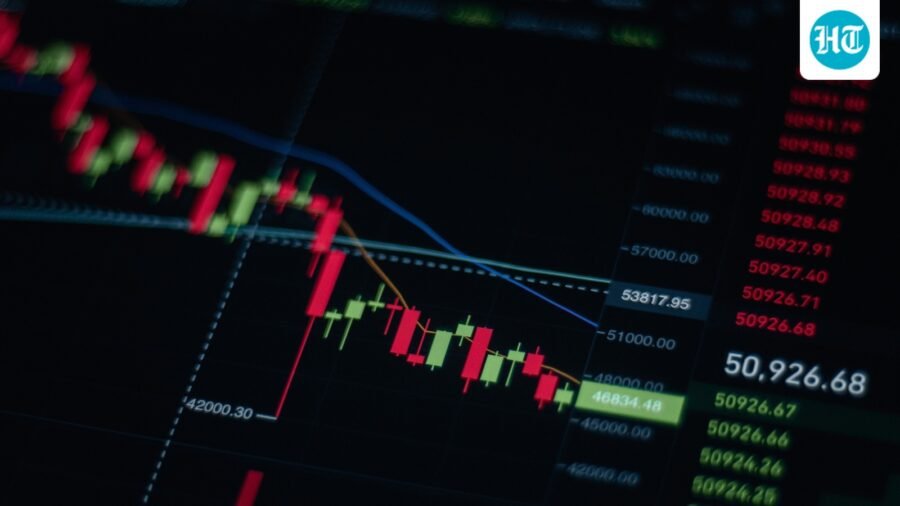
Global markets fall as US-Iran strikes push oil near , lift bond yields and raise inflation fears and bets on a Fed rate hike.
Updated on: Sep 2, 2026, 16:28:00 IST
Prefer HTon Google
Share via
Copy link
Global stock markets fell on Wednesday as fresh US airstrikes on Iran pushed oil prices to a five-week high. Investors grew worried that the conflict could disrupt energy supplies and increase inflation around the world.
The US carried out strikes on Iranian military targets near the Strait of Hormuz. Iran said it responded by targeting US assets across the region. Reuters said the exchange was the most significant round of fire between the two sides in several weeks. The latest attacks increased fears of further disruption to oil supplies. Brent crude futures rose to $94.87 a barrel, up 0.1%.
Oil prices rise
Oil prices are becoming a major concern for financial markets because higher energy costs can push inflation higher. Investors are now worried that expensive oil could make it harder for central banks to cut interest rates. Higher oil prices also added to an ongoing global bond selloff.
Bond yields jump
Bond yields were already rising because of worries about government spending and the country’s financial condition, UBS Global Wealth Management strategist Kiran Ganesh told Reuters.
The US 10-year Treasury yield rose to 4.8122%. This was its highest level in almost three years. Japan’s 10-year government bond yield also stayed above 3% for the second day in a row. It had already reached its highest level in about 30 years earlier this week.
Why higher bond yields matter
Higher bond yields can make stocks less attractive. When government bonds offer better returns, investors may move their money away from stocks and other riskier assets. Higher US bond yields can also help the US dollar. During times of market uncertainty, investors often move towards the dollar because it is seen as a safe-haven asset.
US dollar gains
The US dollar index rose 0.05% to 99.734. The index, which tracks the dollar against six major currencies, remained close to its highest level since August 17. UBS strategist Kiran Ganesh said the dollar could face more downside if the Federal Reserve's outlook turns less hawkish, according to Reuters. He said markets are already pricing in a fairly hawkish Fed outlook, leaving more room for negative surprises for the dollar.
Global stocks fall
Global stocks also came under pressure. MSCI's gauge of global stocks fell 0.2% and remained near a one-month low. European stocks followed the decline. The pan-European STOXX 600 fell 0.3% after Asian markets suffered much bigger losses following Wall Street's overnight selloff.
Asian markets saw some of the biggest falls. South Korea's KOSPI dropped almost 4%, while Japan's Nikkei 225 fell. US stock futures pointed to a quiet or muted opening for Wall Street. This suggested investors were taking a cautious approach after the previous session's losses.
Fed rate hike bets jump
The Middle East escalation and rising bond yields have given September a shaky start for financial markets. The pressure comes just days after hawkish comments from Federal Reserve Chair Kevin Warsh. Warsh's comments pushed investors to increase their bets on another US interest rate hike. Markets are now closely watching economic data before the Fed's September 16 meeting, according to Reuters.
Investors want to know whether the US economy is still strong enough to handle another rate increase. Strong economic data could give the Fed more reason to keep rates high or raise them again. Two important US jobs reports are due this week. ADP private payrolls data was scheduled for Wednesday, while the closely watched nonfarm payrolls report is due on Friday.
Markets have sharply increased their expectations for a September Fed rate hike. Fed funds futures showed a 68% probability of a 25-basis-point rate increase this month, according to CME Group's FedWatch tool. That probability was only 37% a week earlier. The sharp jump shows how quickly investor expectations have changed following the latest Fed comments and market developments, according to CME Group data cited by Reuters.
New Zealand dollar falls after rate hike
The New Zealand dollar also fell sharply. It dropped 1.2% to $0.58220 after the Reserve Bank of New Zealand raised its interest rate by 25 basis points to 2.75%. The rate increase itself was expected by markets. However, the central bank's more hawkish language in its policy statement weighed on the New Zealand dollar.
Gold, bitcoin and ether also slip
Gold prices fell slightly despite the rising tensions in the Middle East. Gold dropped 0.1% to $4,322.24 an ounce. Bitcoin also fell as investors moved away from riskier investments. Bitcoin dropped 0.6% to $76,951.01, according to Reuters. Ether also declined 1% to $2,394.57.
Markets are now facing three main problems: rising tensions, higher oil prices and higher bond yields. These risks are raising fears about inflation. Investors are also watching what the Federal Reserve may do with interest rates this month.
See Less

Gold prices today: Check 22K, 24K rates in Delhi, Bengaluru, Chennai, Mumbai
By Sohail Khan · 2 Sep
The DM age has a networking problem. It’s fear
By Sohail Khan · 2 Sep
Ryan Seacrest sells Napa estate for $18.5 million
By Sohail Khan · 2 Sep
Leave a Reply