Gallic acid for skin: The new antioxidant everyone is talking about, explained

Vitamin C, niacinamide and retinoids have long dominated the skincare conversation. Now, another antioxidant is set to steal the spotlight: gallic acid. Explaining what it is, Raghvendra Sadashiva, managing director, Galderma India & South Asia, says, “Gallic Acid is a naturally occurring antioxidant that has been gaining attention owing to its role in skin protection from the common stresses of the environment”
Is this a gentle yet effective alternative to Vitamin C?
When applied topically, gallic acid can help counteract free radicals formed by environmental factors, including pollutants, UV light, and blue light. However, experts caution that more research is required before it can be a suitable alternative to the skincare ingredients already present.
Dr Akanksha Sanghvi, dermatologist and founder of Oprava Aesthetics, says, “Gallic acid has a compelling body of laboratory and preclinical research, but the amount of high-quality clinical evidence in humans is still limited compared with ingredients such as retinoids, vitamin C, azelaic acid or hydroquinone.”
She also highlights a formulation challenge. “Pure gallic acid has limitations relating to solubility, stability and skin delivery. This is why researchers are looking at derivatives and delivery systems that can improve its stability and bioavailability.”
How does gallic acid benefit the skin?
There is a growing interest in how gallic acid could be used in modern topical skincare, particularly in formulations targeting oxidative stress, pigmentation and the early signs of photoageing.
Dr Akanksha says, “As a dermatologist, what I find interesting about gallic acid is that its potential is not based on just one cosmetic benefit, but it appears to work through several biological pathways that are relevant to skin ageing and pigmentation.”
Story continues below this ad
Here are some benefits of gallic acid mentioned by her:
Gallic acid can offer antioxidant protection within the skin rather than simply showing antioxidant activity in a test tube.
Gallic acid may also reduce signs of uneven skin tone and patchy skin due to pigmentation by reducing oxidative stress and blocking the tyrosinase enzyme, which in turn prevents melanin formation in the skin.
Dr Geeta Mehra Fazalbhoy (MBBS, diploma in Dermatology (UK), Board Certified in Aesthetic Medicine (USA)), who is the founder of Skin & You Clinic adds, “It is relevant for those regularly exposed to UV rays and pollution and can also provide antioxidant support as early signs of premature skin ageing appear.”
Story continues below this ad
However, she recommends not choosing it based on age alone. “The right choice depends on your skin concerns, skin type and product formulation. Its antioxidant and anti-inflammatory properties can support overall skin health,” says Dr Geeta
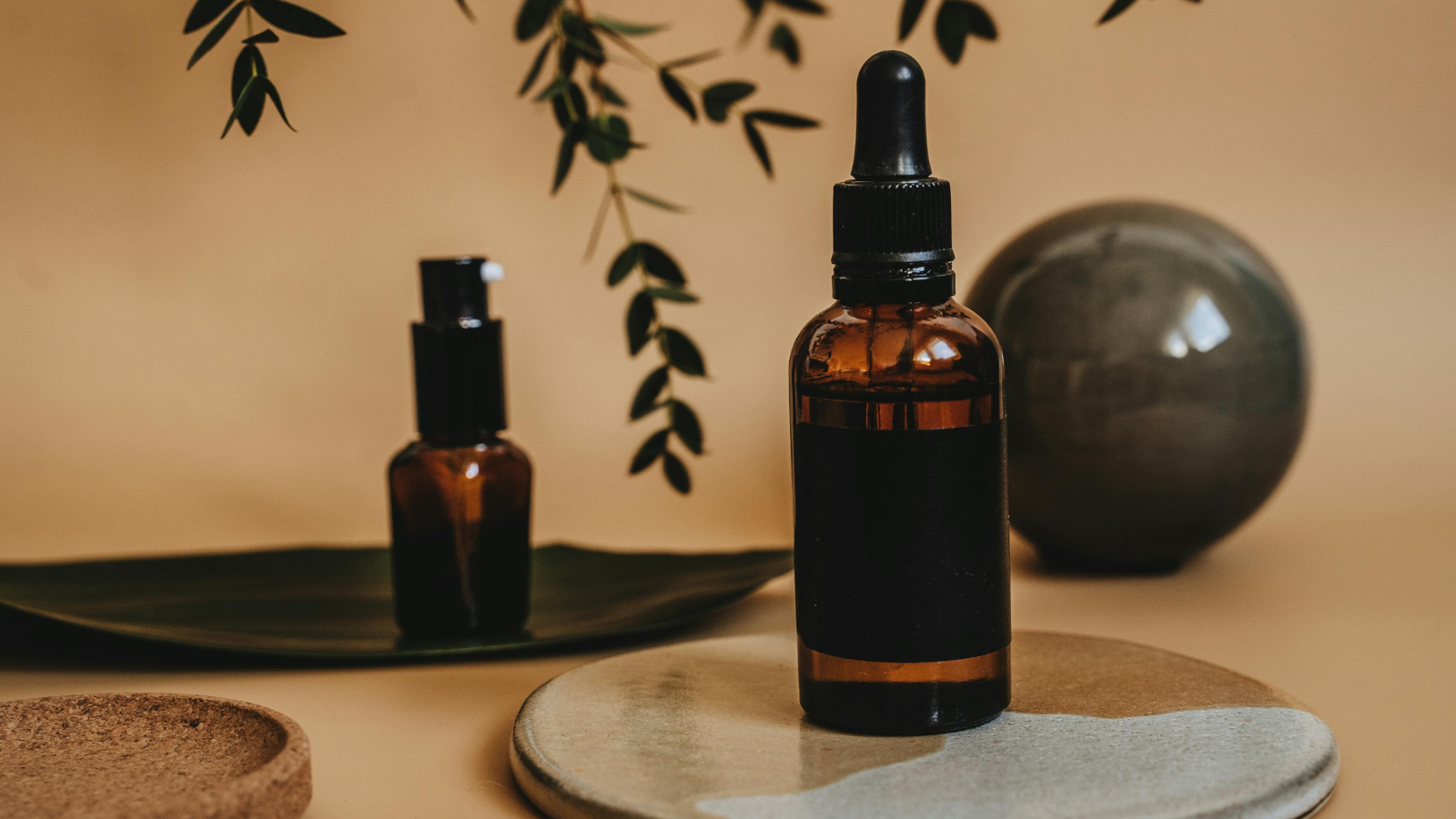 Gallic acid is gains attention as a potential antioxidant in skincare
How often can gallic acid be used?
Gallic acid use depends largely on its concentration and the formulation. Dr Geeta usually recommends starting slowly and assessing how the skin responds.
“If there is no irritation, it can generally be used once daily. With pigmentation, especially in Indian skin, I advise avoiding excessive use. Irritation can itself trigger or worsen pigmentation in some individuals. And regardless of the active, daily broad-spectrum sunscreen remains essential,” she adds.
Is it gentler on sensitive skin?
Experts say that gallic acid should not be labelled as a gentle ingredient. Dr Reema Arora, an anatomy-led aesthetic medicine expert, educator, safety advocate and founder & medical director of The Face Clinic, South Delhi says, “I would be careful about calling gallic acid inherently ‘gentler’ as not every ingredient called an acid is an exfoliating acid.”
Story continues below this ad
She further explains that gallic acid is a naturally occurring phenolic compound studied mainly for its antioxidant and anti-inflammatory properties, rather than for exfoliating the skin in the way glycolic acid does.
“That is what makes it interesting. Its activity does not necessarily depend on peeling or accelerating exfoliation. At the same time, whether a gallic-acid product suits sensitive skin will still depend on the concentration, the formulation and the condition of the person’s skin barrier,” she adds.
Is gallic acid really the next big antioxidant in skincare, or is it simply another trending ingredient?
While gallic acid seems promising, experts says that calling it the ‘next big antioxidant’ may be premature.
Story continues below this ad
Dr Aditi Wadhwa, who is a consultant – Dermatology, Prayag Hospitals says, “An ingredient with promising antioxidant activity in the lab does not necessarily translate into a major clinical breakthrough. The actual benefits are affected by the quality of the formulation, the concentration, the stability and the delivery of the ingredient to the skin.”
She adds, “Therefore gallic acid can be considered as a potential antioxidant, but not a wonder ingredient. It may have a useful role to play in well formulated skincare, particularly in combination with established antioxidants and daily sun protection.”

The jungle knows where the tiger is — here’s how to read the signs
By Sohail Khan · 1 Oct
Jyotika praises her mother-in-law, says ‘only a queen can raise a prince’
By Sohail Khan · 1 Oct
Can a police confession justify NSA detention? What Supreme Court said in Sambhal case
By Sohail Khan · 1 Oct