From paan daan to luxury hampers: How the humble betel leaf is getting a premium makeover
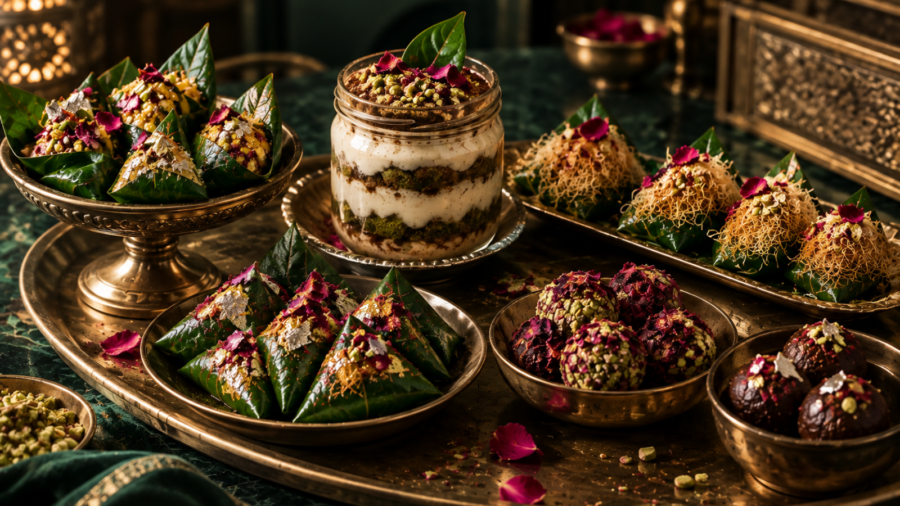
Paan reminds us of the neighbourhood shop, with stacks of clean, fresh betel leaves, small containers of supari and gulkand, and a man folding each leaf with the utmost care. It also takes us back to the timeless image of elderly women in families bringing out their gleaming brass or silver paan daans, carefully lifting the lids of compartmentalised dabbas filled with folded leaves, cardamom, and silver foil.
This humble betel leaf, however, has now found a new setting. Restaurants are plating it, reimagining it in chef-driven menus, and presenting and packing it in branded boxes. From edible gold and artisanal fillings to paan-inspired savoury dishes and desserts, this old-world mouth freshener has become a premium ingredient and experience.
“Paan was never just a post-meal trick to clear the palate; it was a deeply human gesture that captured a slow, meditative ritual shared across generations of family and visiting guests alike,” says Dr Malini Saba, a passionate culinarian and food book author.
Story continues below.
Subscribe to see fewer ads.
For Saba, that ritual means stepping out of the traditional silver daan and into modern dining rooms.
It all begins with a leaf
India has a variety of betel leaves which differ in texture, aroma and pungency. For chefs and contemporary paan makers, this opens the door to experimentation.
Siddharth Gupta, founder of The Paan Company, prefers Maghai for experimentation. It has a delicate texture and balanced flavour, so it works beautifully with both traditional and dessert paans.
Story continues below this ad
“Luxury isn’t about being expensive; it’s about the completeness of the experience,” says Gupta, who has had the honour of designing paan experiences for the Ambani Family weddings and Adani Family celebrations.
For Mehul Patel, founder and CEO of Mr Paanwala and Paan Casa, the leaf choice is equally important. However, for luxury paans, besides Magahi/Maghai, he also opts for Calcutta/Meetha (known for its softer, sweeter profile) and Kapoori (aromatic, relatively mild/non-pungent).
“Kapoori allows flavours such as mango, rose, berries, chocolate, pistachio, saffron and coconut to come through,” says Patel.
This marks a shift from treating the leaf merely as a wrapper.
Story continues below this ad
“Premiumisation today is a deliberate, almost architectural shift,” says Saba. “It treats the betel leaf not just as a handy wrapper for pantry leftovers but as a serious botanical ingredient with its own distinct terroir, demanding the same culinary respect we give to fine chocolate or artisanal cheese.”
Not just chocolates
The first wave of novelty paans revolved around chocolate and colourful fillings, ranging from chocolate paan to strawberry paan to Ferrero Rocher paan.
Saba says this failed to resonate with her because it was gimmicky.
“People were dumping heavy, commercial syrups and cheap candy onto a leaf just to shock the palate, completely suffocating the natural, earthy pepperiness of the betel. True gourmet paan does the opposite. It steps back and listens to the ingredient,” she adds.
The contemporary version, however, is more expansive.
Story continues below this ad
At The Oberoi RajVilas Jaipur, Kitchen Associate Dhiksha Dhara has developed an entire menu around paan, including paan mushroom, paan-stuffed kofta, paan moti pulao, and more.
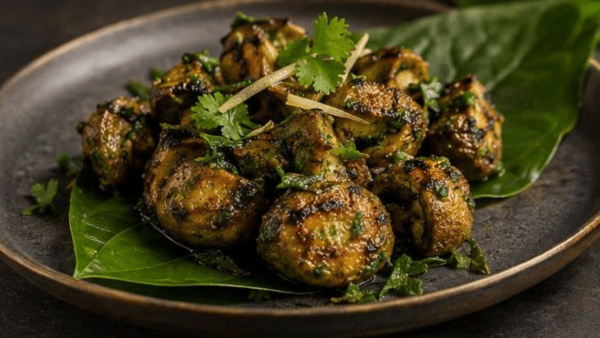 Paan mushroom starter
The market has already moved well beyond Chocolate Paan and Fire Paan.
Contemporary operators like Paan Casa are selling health-oriented paan such as diet, nut-and-seed, and edible flower paan. The brand’s repertoire also moves into the dessert territory with specialities like Mango Mastani Paan, Paan Tiramisu, Pistachio Kunafa Paan, Berry Maharani, Paan Truffles, and Gulkand Truffles.
What is truly interesting, says Ishijyot Surri, Executive Chef, Founder of Mulk & SJI Hospitality, is not producing everything ‘paan-flavoured’, but breaking down the elements in paan—betel leaf, rose, fennel, cardamom and gulkand and reconstructing them in different forms.
Story continues below this ad
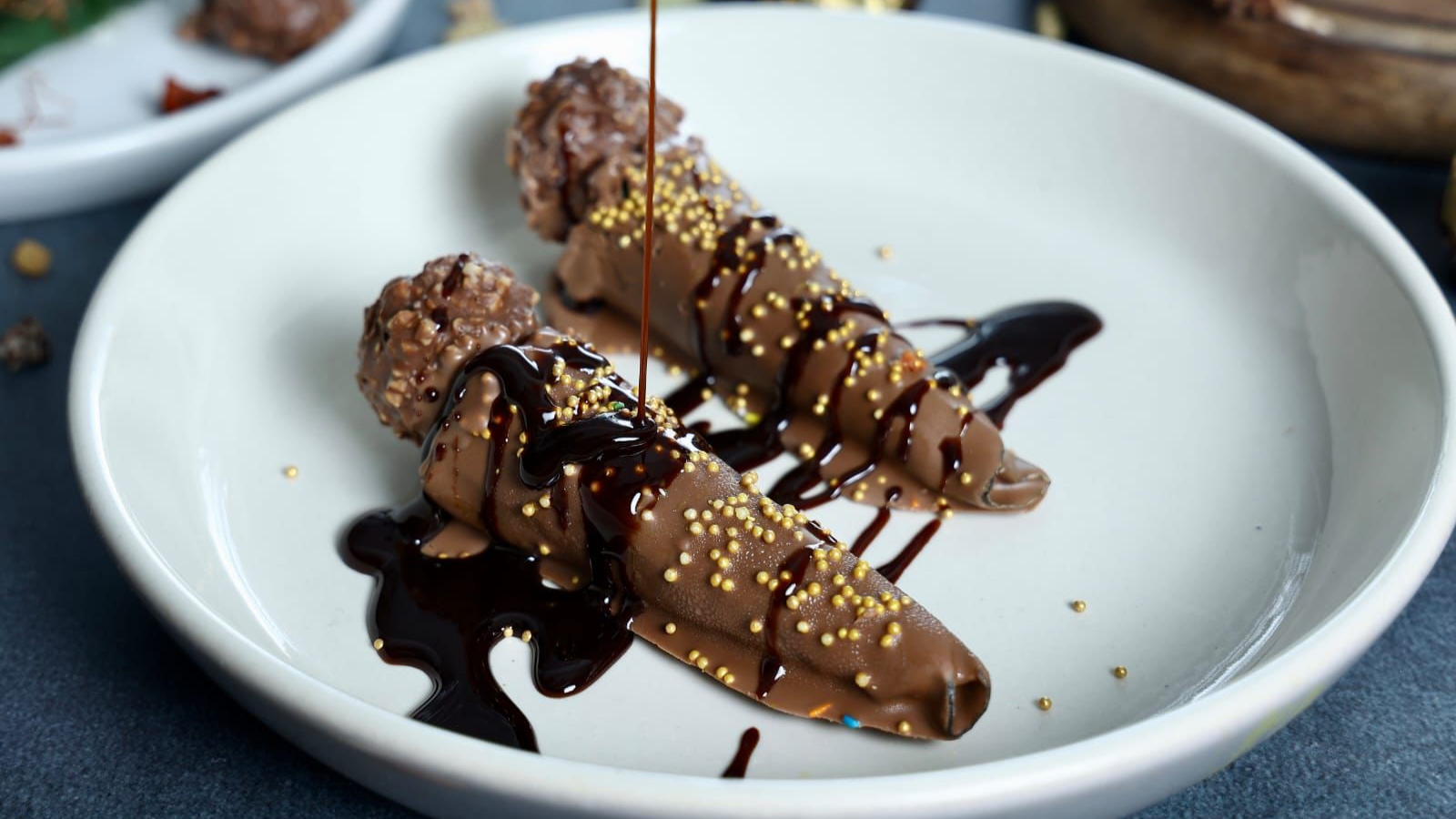 Ferrero Rocher paan was part of the first wave of novelty paan (Image Source: The Paan Company
From a Rs 150 paan to customised experiences
Chefs today are dressing up the humble betel leaf with tweezers and clean plating. Yet, beneath the aesthetic shift, the core purpose hasn’t altered at all. Paan still remains an edible expression of care and community.
No single price point defines a luxury paan. Retail offerings can start at around Rs 150, while signature paans at premium outlets may cost Rs 300–Rs 800. One outlet in Delhi, Mast Banarasi Paan, has a special aphrodisiac paan priced at Rs 5,100.
At weddings and corporate events, however, the economics change because customers pay for a curated experience, hampers, and luxury gifts rather than an individual paan.
Mr Paanwala and Paan Casa’s Patel says premium paans at Paan Casa start at Rs 150, with gourmet varieties ranging from Rs 200 to Rs 300 and signature offerings up to Rs 800. Premium live paan counters at weddings can command considerably more, depending on the scale and customisation.
Story continues below this ad
Gupta of The Paan Company, on the other hand, says luxury paan can range from around Rs 150 to well above Rs 20,000 when ingredients, presentation and customisation are factored in.
That distinction between the price of a paan and the price of a paan experience explains the category’s premiumisation.
From the local paanwala to new experiences
Over the last two to three years, paan has evolved from a traditional roadside purchase into a modern, organised and digital experience.
P N Thakur, Founder and CEO, Mast Banarasi Paan, explains the shift.
Story continues below this ad
- Digital ordering: Customers can order paan through delivery platforms, with convenient UPI payments.
- Consistent quality: Organised outlets offer 80+ standardised paan varieties, ensuring consistent taste and quality.
- Modern paan cafés: 100 per cent tobacco-free products, hygienic outlets and family-friendly environments have modernised the traditional paan experience.
- New flavours and experiences: From meetha and saada to chocolate, dry fruit and fire paan, customers now have more choices.
- Events and celebrations: Paan is also becoming part of weddings, parties, corporate events, and festivals through bulk orders and special paan counters.
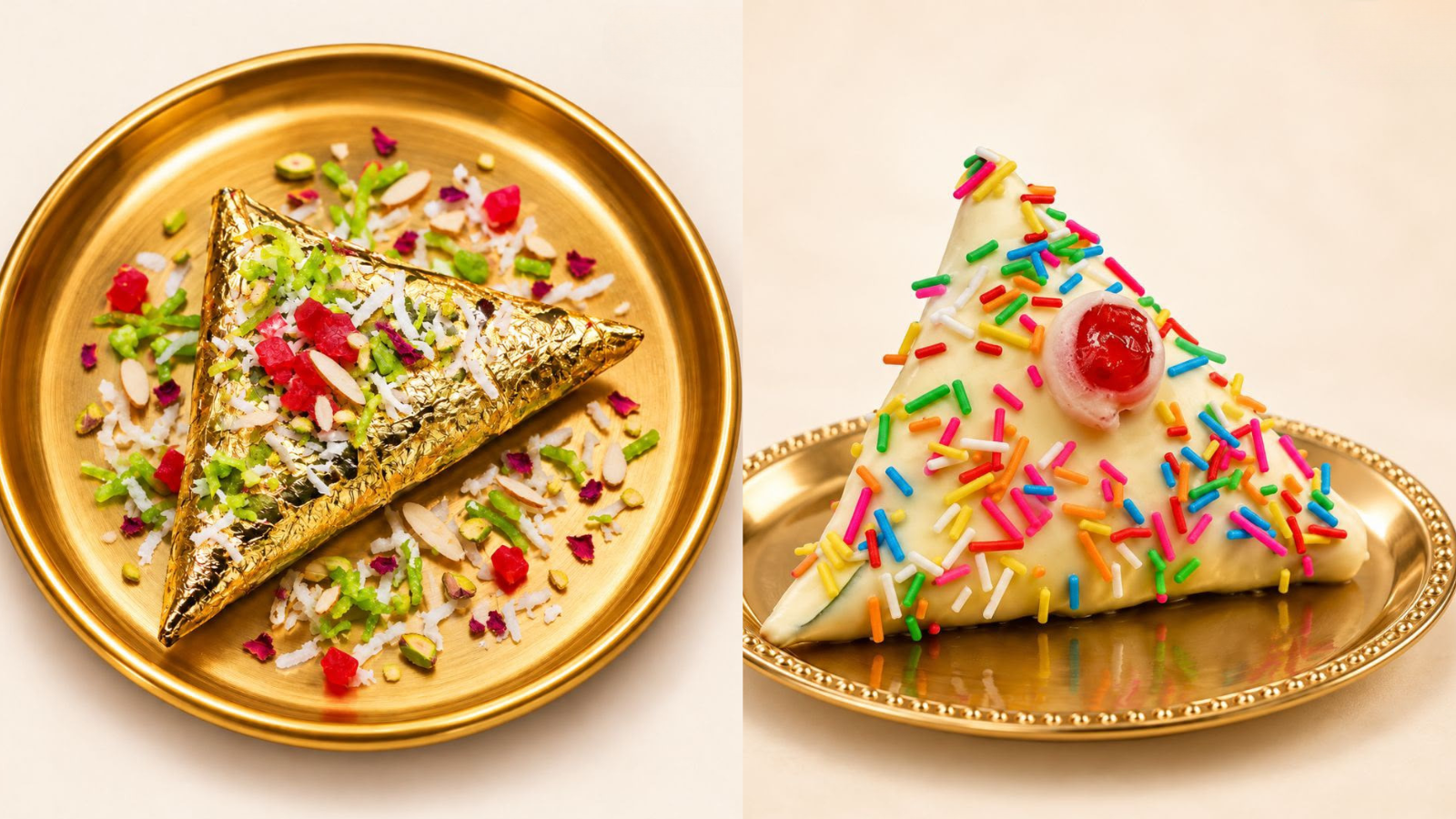 The humble paan gets a luxe makeover
A wedding is the new paan shop
Weddings may be a particularly fertile ground for the trend because paan already has a cultural place in Indian celebrations.
Instead of a standard paan counter, couples can now opt for curated menus, live preparation and customised offerings. Paan is also entering wedding hampers in forms that can travel better than the fresh leaf.
“At weddings, paan is now an experience in itself with curated menus. And we’re seeing strong interest in paan-inspired gifting too. People are choosing from a range of dry paan, truffles, mukhwas, and DIY paan kits that fit naturally into wedding hampers. The nostalgia is still there, but the way people experience it has completely changed,” Gupta says.
Patel also sees luxury weddings, corporate gifting, festivals, and destination weddings as important opportunities for premium paan. “Live premium paan counters are already marketed to weddings at materially higher prices than standard paan service. The price ranges roughly between Rs 15,000– Rs 22,000 for smaller premium setups to Rs 55,000–Rs 70,000 for large, elaborate packages,” he says.
Story continues below this ad
The dry-paan detour
One of the more interesting developments is dry paan, a carefully crafted, dehydrated version of traditional fresh paan. The process transforms the product while preserving its distinctive flavours, ingredients and character, creating a completely different way to experience paan.
According to Rishab Thukral, founder of Banaaras, fresh paan typically lasts around three days, while the brand’s dry paan can last up to eight months when properly prepared, packaged, and stored under specified conditions.
“We have positioned dry paan as a premium product not simply because of its extended shelf life, but because of the quality of ingredients, craftsmanship, preparation, presentation and packaging that go into it. The intention is to take an inherently traditional product and present it as a refined, contemporary luxury experience,” says Thukral.
That difference changes the role paan can play. A product traditionally associated with immediate consumption can now be stocked, transported and incorporated into gifting.
At Banaaras, Thukral’s luxury offering includes the Banaaras Special Paan, priced at Rs 799 and wrapped in edible gold leaf. He describes it as “affordable luxury,” a celebratory product designed to make an everyday cultural tradition feel special.
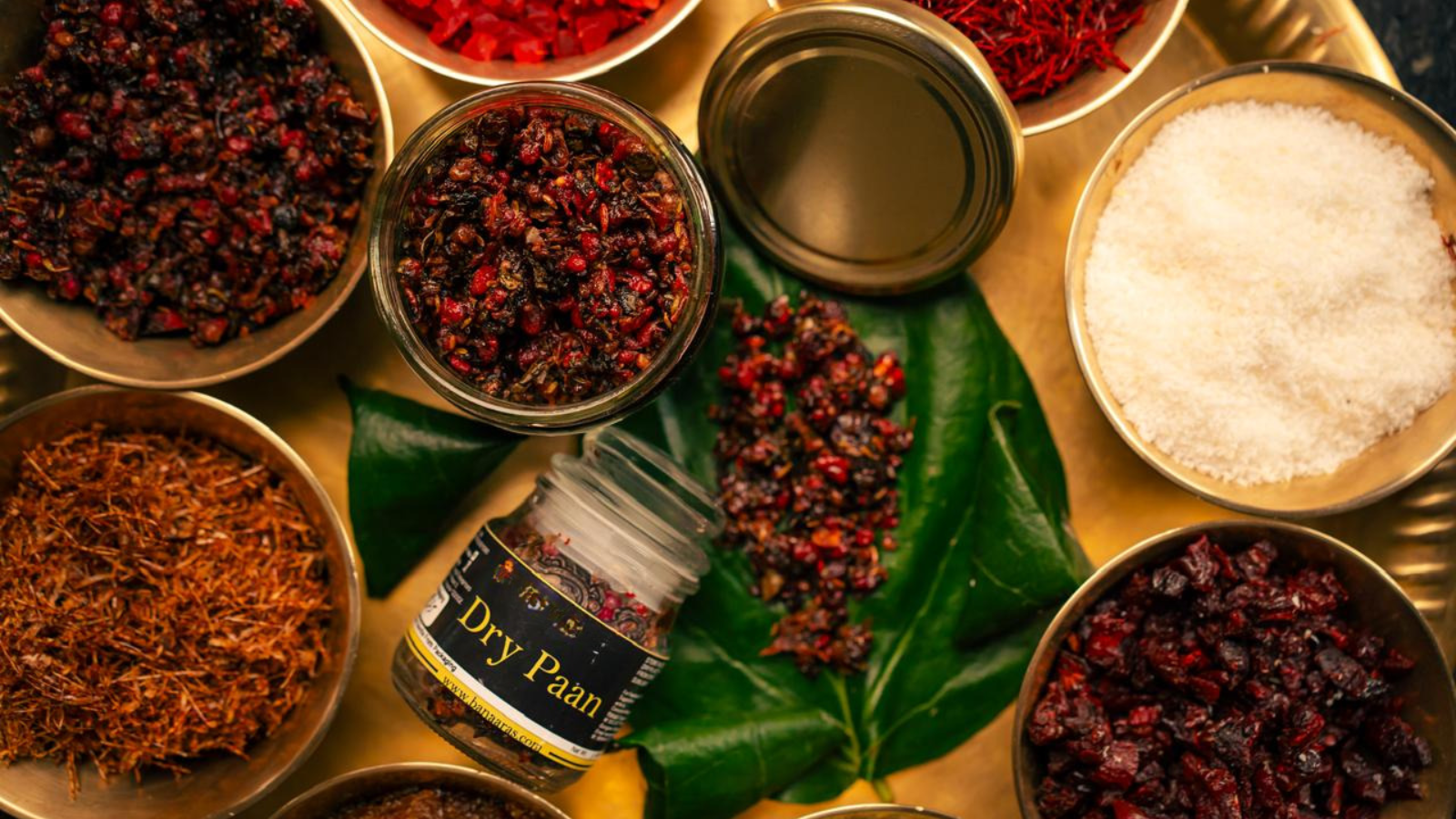 Dry paan: A dehydrated version of the traditional fresh paan
When a box becomes part of the experience
The transformation is not limited to what goes into the leaf. Increasingly, packaging is designed to signal that what is inside is no ordinary paan.
“Paan is consumed first with the eyes, then with the nose, and finally with the tongue,” says Thukral.
He believes the box, wrapping and positioning should communicate freshness, craftsmanship, hygiene and exclusivity before the first bite.
That visual shift is particularly useful for something like paan. The green leaf, colourful fillings, precise folds, and finishing touches can all become part of the presentation.
The idea is to make opening a box of paan feel more like opening a box of artisanal confectionery than buying a quick post-meal mouth freshener.
Younger audience, an old ritual
A generational shift is also at play.
“For a long time, paan carried that dusty association, something older men enjoyed on street corners, historically marred by the unsightly habits of public spitting that left red stains across floors and roads, making it feel entirely disconnected from a clean, modern, fast-paced life,” Saba.
But aesthetics and storytelling both matter.
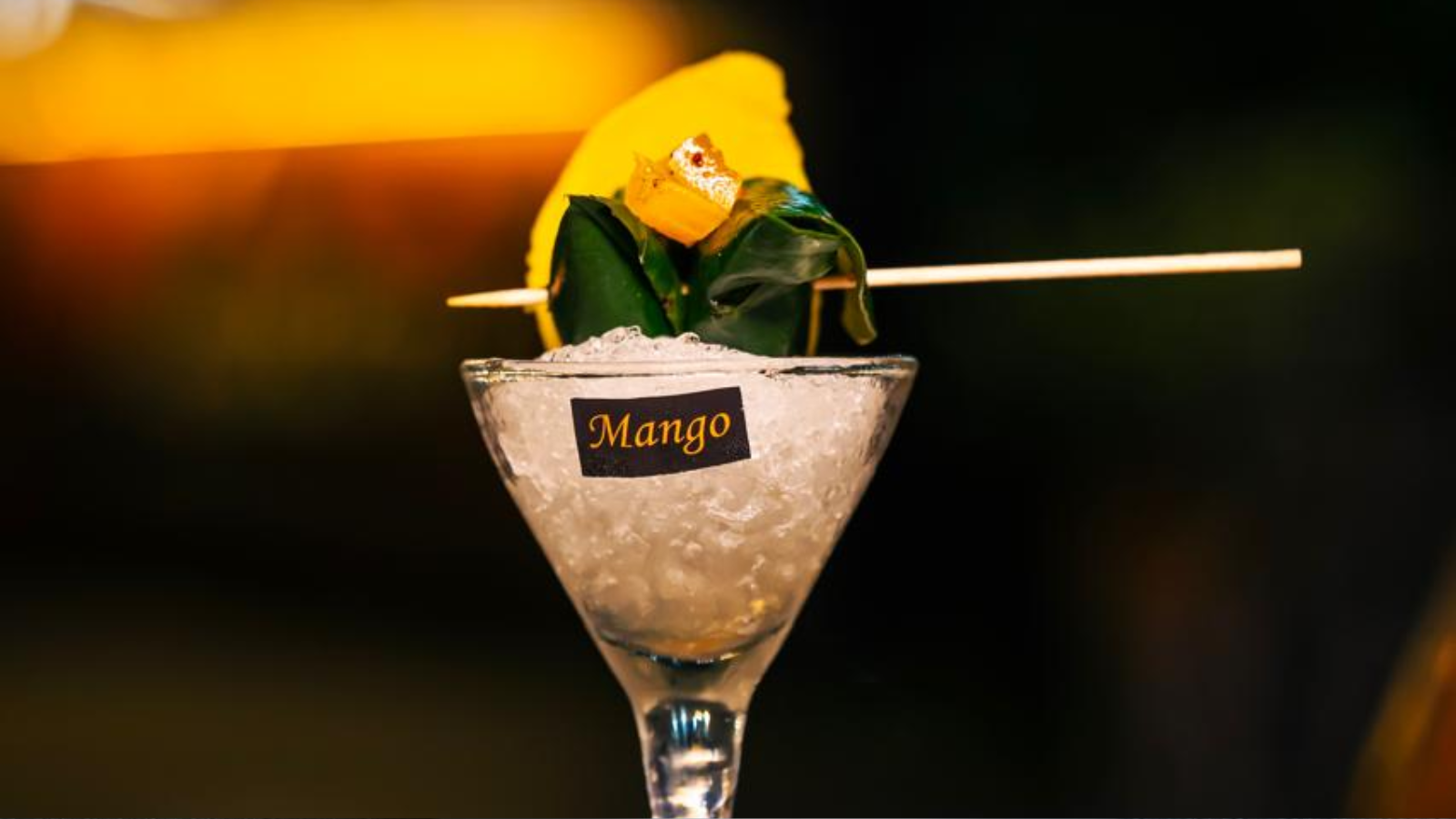 Presentation adds on to the appeal of luxury paan
“When young Indians see paan re-imagined with sleek design, thoughtful sourcing, and global flair, a psychological shift occurs. It stops feeling like an obligation to the past and becomes a sophisticated lifestyle choice,” Saba adds.
It gives them a way to wear their heritage proudly, proving that culture doesn’t have to stay frozen in amber to remain authentic on a global stage.
“Although meetha, dry fruit, and rose paans remain popular at our shop, chocolate paan is something the younger customers really look for,” Thakur of Mast Banarasi Paan says about what appeals most to younger customers.
When asked how much is the maximum amount he would pay for a premium paan, Wajid, who was at the shop with his friends, said, “I don’t eat paan myself, but if I have to gift it to someone at a wedding or buy a hamper, I would maybe pay 2000 bucks maximum.”
Perhaps that is what makes the current paan moment different from the novelty experiments of the past. The leaf is not being discarded in favour of something newer. Instead, its traditional associations are being repackaged for a contemporary audience.
From the silver paan daan to the luxury hamper, the betel leaf is gaining a new vocabulary of indulgence — without losing its place in the rituals that made it special in the first place.

Surendra Koli found dead: Why the Nithari killings case against him collapsed
By Sohail Khan · 18 Sep
Science quiz: Scientific problems featuring cities
By Sohail Khan · 18 Sep
Milind Soman at 60 completes gruelling Ironman Wales: ‘Hard, hard, hard’
By Sohail Khan · 18 Sep
Leave a Reply