‘DNA tests exceptional’: Bombay HC sets aside relief for ‘illegitimate’ son
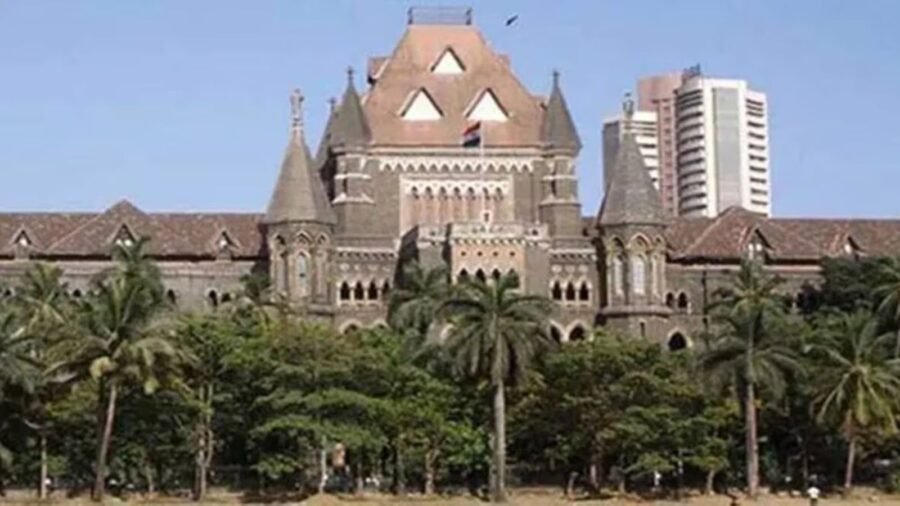
Observing that DNA tests cannot be directed as a “matter of routine” or used for a “fishing inquiry” without parties first leading sufficient evidence, the Bombay High Court on Tuesday (September 22) set aside a Nashik trial court order to conduct a DNA test on the legal heirs of a deceased man in a suit seeking partition of his properties.
The DNA test by forensic laboratory was ordered on a plea by the “illegitimate” son of the deceased person filed through his mother. The HC said DNA tests can be conducted in “exceptional and deserving cases” with insufficient factual evidence.
A single-judge bench of Justice Sandeep V Marne passed the verdict on a writ plea by the legal heirs of the deceased man challenging a September 2018 order by the Nashik court, which had allowed an application for a DNA examination.
Story continues below.
Subscribe to see fewer ads.
The then-minor boy, who is now nearly 19 years old, had filed a partition suit through his mother in 2016 seeking a one-fifth share of the deceased’s self-acquired properties, claiming he was born out of an extra-marital relationship between the deceased and his mother, a claim denied by the defendant legal heirs.
The minor boy then moved an application for his DNA test with the defendant legal heirs to establish his biological paternity, which the local court allowed in 2018, prompting the legal heirs to approach the HC.
Justice Marne, setting aside the Nashik court order, referred to settled legal principles and observed, “DNA test is not to be directed as a matter of routine” and “courts must first consider the existing evidence to assess the presumption of legitimacy.”
“Only if evidence on record is not sufficient to come to a finding of legitimacy, then the Court can consider ordering a DNA test,” the judge noted. The bench stressed that even if “insufficiency of evidence” is established, before ordering DNA tests, the court must ensure it “does not cause harm to the parties.”
Story continues below this ad
“Mere dispute created by either of the parties about factum of paternity is not a ground to direct the DNA test as a matter of course… The DNA test can be directed to be conducted only in exceptional and deserving cases where the evidence is insufficient. The court must also not permit a DNA test to be used as a means of fishing or roving enquiry in absence of a sufficient factual foundation,” the HC held and allowed the plea.




Leave a Reply