Diagnosed with nephrotic syndrome at six, 11-year-old Gunit Banga shares how she deals with bullying at school
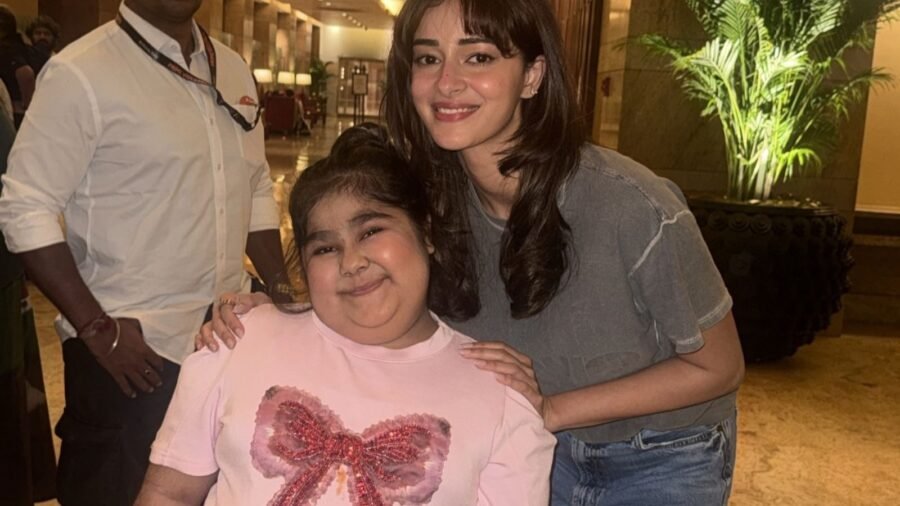
Story continues below.
Subscribe to see fewer ads.
“I felt like beating my bullies, but my teachers really adore me. I have built respect in my school. I don’t want to ruin that,” she said.
View this post on Instagram
A post shared by jasmeet Singh Banga (@gunit_banga)
Gunit Banga on being bullied
Gunit emphasised that children who are being bullied should first try to ignore the behaviour. If that does not work, she suggested confronting the situation without resorting to violence.
“First of all, ignore them. And if you can’t ignore them, go to them and ask them what their problem is. ‘Are you paying for my food?’ I used to say this, but now I don’t,” she said.
If the bullying continues, Gunit said children should approach someone they trust. “If they still don’t listen, go to your principal and just tell your elders whom you trust, like a sister, parent, anyone. Tell them, then they will handle it because we cannot beat anyone and we can’t do anything,” she told Jai Madaan.
View this post on Instagram
A post shared by jasmeet Singh Banga (@gunit_banga)
Dr Rimpa Sarkar, psychologist, PhD, Sentier Wellness, Mumbai, said children may not always show the emotional impact of bullying openly. A child can appear confident or unaffected while still experiencing a decline in self-esteem.
Story continues below this ad
“Bullying can affect a child’s self-esteem even when they appear calm, confident or capable of handling it,” Sarkar said. Children may become more self-conscious, question how others perceive them or start believing that something about them makes them a target, she explained.
“Repeated bullying can gradually affect confidence, sense of belonging and willingness to participate socially,” she added.
Why children should not be encouraged to hit back
While children may feel angry or want to retaliate when bullied, Dr Rimpa said physical retaliation can make the situation worse.
“The first priority is to make sure the child knows that they do not have to handle bullying alone,” she said. Depending on the circumstances, children can tell the other child to stop, move away from the situation and approach a trusted adult, such as a parent, teacher, counsellor or school authority.
Story continues below this ad
“Encouraging children to retaliate physically can escalate the situation and potentially put them at greater risk,” Dr Rimpa said.
Parents and teachers, she added, should listen to the child without blaming them. In cases of repeated bullying, incidents can be documented and addressed with the school rather than leaving the child to resolve the problem on their own.
“The child should also be reassured that seeking help is not weakness or ‘telling on’ someone,” she said.
‘Friendship does not have to begin with a whole group’
Gunit also spoke about loneliness that can make school difficult for children.
Story continues below this ad
“They should make friends because they will make you feel good. Just go to them and find someone who is really good in your class and who helps you when you need notes. Go to them and ask if we can be friends,” she said.
Dr Rimpa recommended that children who feel lonely avoid pressuring themselves to immediately find a large group of friends.
“For a child who feels lonely, friendship does not have to begin with finding a whole group. It can be easier to start with one approachable child who seems kind, shares an interest or is already someone the child feels comfortable around,” the expert added.

The paradox of de-Sinification in global production
By Sohail Khan · 28 Sep
Letters to The Editor — September 28, 2026
By Sohail Khan · 28 Sep
Kashmir as India’s gateway to Eurasian opportunity
By Sohail Khan · 28 Sep
Leave a Reply