Considering self-medicating with antibiotics? Doctor explains why it is risky and irresponsible
Considering self-medicating with antibiotics? Doctor explains why it is risky and irresponsibleUpdated on: Sep 30, 2026, 14:02:16 IST
Prefer HTon Google
Share via
Copy link
Self-medicating with antibiotics can pose a health risk at present as well as in the future; Dr Pallav Mishra highlights the risks and the safety guidelines.
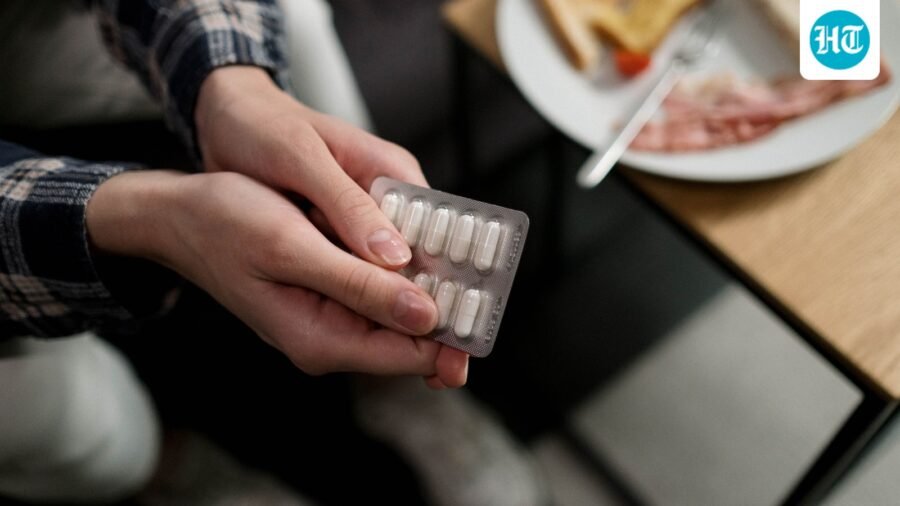
Antibiotics can be life-saving medicines when they are prescribed for the right bacterial infection, at the right dose and for the appropriate duration. However, taking antibiotics without medical advice can be harmful to both the individual and the wider community, according to internal medicine expert Dr Pallav Mishra.
He shared with Lifestyle the risks involved in taking antibiotics without a prescription, and how to use them safely.
Risks of self-medicating with antibiotics
1. Taking unnecessary antibiotics
As per Dr Mishra, one of the biggest concerns with people self-medicating with antibiotics is that many common illnesses, such as colds, flu and most viral sore throats, are caused by viruses, against which antibiotics do not work.
“When a person takes an antibiotic unnecessarily, it exposes the body’s bacteria to the medicine without providing a clear benefit. This can contribute to antibiotic resistance, a situation in which bacteria develop the ability to survive medicines that previously killed or controlled them,” he stated.
As a result, infections can become harder to treat, potentially requiring stronger or more expensive medicines and sometimes hospitalisation, cautioned the physician.
2. Choosing the wrong antibiotic or dosage
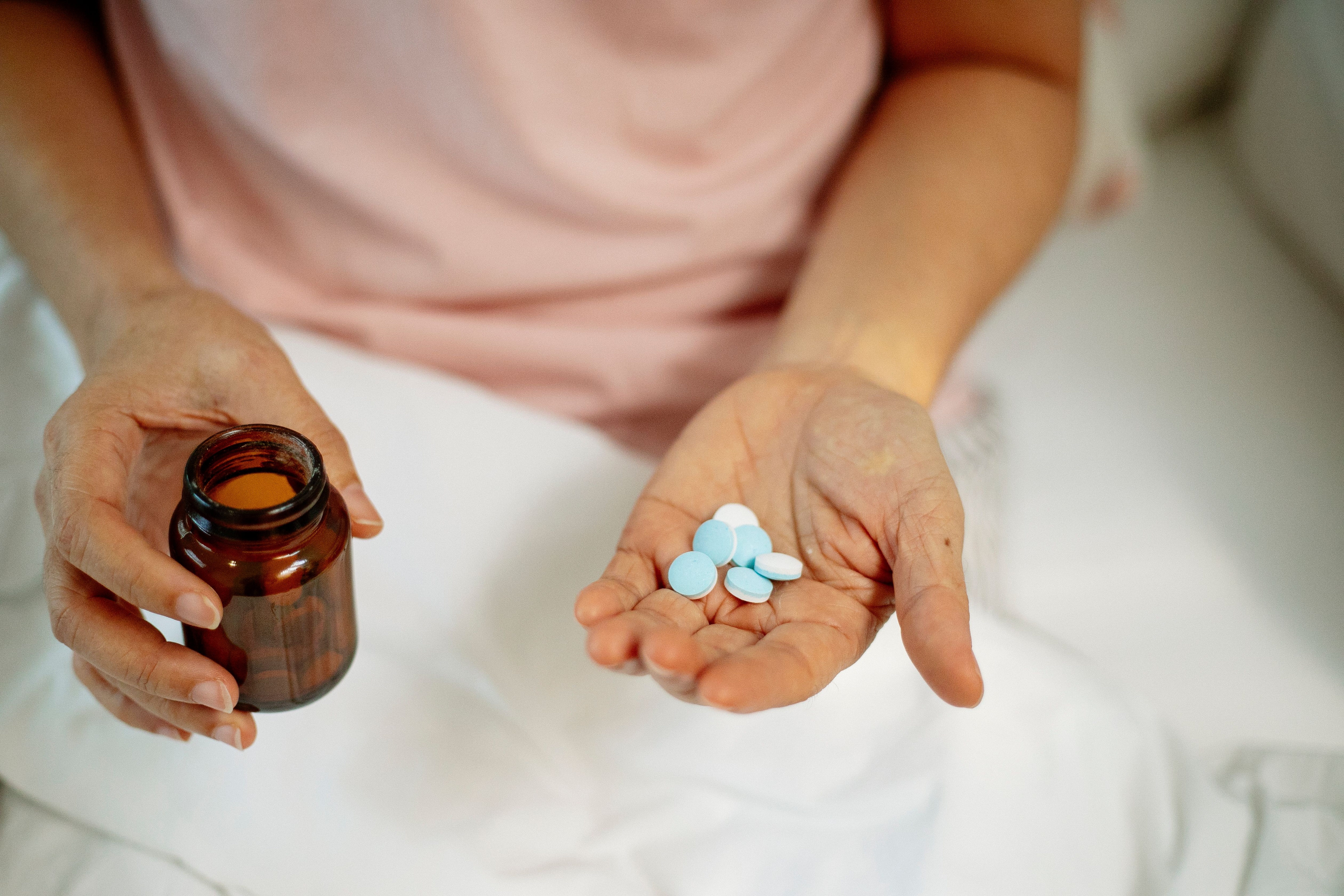
“Self-medication can also lead to the wrong antibiotic being selected, an inappropriate dose being taken, or treatment being stopped too early,” stated Dr Mishra.
While symptoms may improve temporarily, he cautioned that the underlying infection remains untreated.
“Reusing leftover antibiotics from a previous illness is particularly risky because the current illness may have a different cause and may require completely different treatment,” stated the physician.
3. Having unintended side effects
Antibiotics can also cause side effects. Depending on the medicine, these may include:
- Nausea
- Diarrhoea
- Abdominal discomfort
- Allergic reactions
- More serious complications (in some cases)
“Antibiotics can also disturb the normal balance of bacteria in the gut,” noted Dr Mishra. “Drug interactions are another concern, particularly in people who are taking medicines for other conditions.”
How to use antibiotics safely?
In the words of Dr Mishra, “Patients should therefore avoid taking antibiotics based on advice from friends, family members, old prescriptions or online recommendations. They should also not share antibiotics with others.”
“If a doctor prescribes an antibiotic, it should be taken exactly as directed, including the prescribed dose and schedule. If side effects occur or symptoms do not improve, the doctor should be contacted rather than changing or stopping the medicine independently,” he continued.
It is also important to understand that antibiotics are not a treatment for every fever, cough or throat infection, highlighted the physician. A healthcare professional may need to assess symptoms, examine the patient, and, when appropriate, recommend diagnostic tests before deciding whether an antibiotic is necessary.
“Responsible antibiotic use is not about avoiding these medicines altogether; it is about using them only when they are genuinely needed and under appropriate medical guidance,” stated Dr Mishra.
Note to readers: This article is for informational purposes only and not a substitute for professional medical advice. Always seek the advice of your doctor with any questions about a medical condition.
Dr Pallav Mishra is the director of Internal Medicine at ShardaCare – Healthcity, with over 20 years of experience in managing complex medical conditions, critical care cases and infectious diseases.
Catch every big hit, every wicket with Crick-it, a one stop destination for Live Scores, Match Stats, Quizzes, Polls & much more. Explore now!.
Catch your daily dose of Fashion, Taylor Swift, Health, Festivals, Travel, Relationship, Recipe and all the other Latest Lifestyle News on Website and APPs.
See Less




Leave a Reply