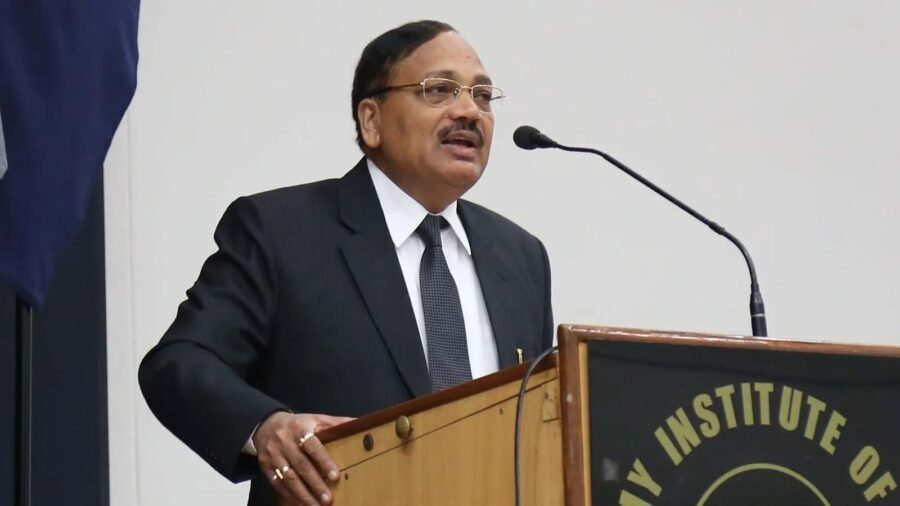
CJI Surya Kant defends confidentiality of Collegium dissent at CNLU interaction
Story continues below.
Subscribe to see fewer ads.
Asked why dissenting opinions in the Collegium are formally minuted but not made public, the CJI said transparency had to operate within defined institutional boundaries, particularly where the dignity and professional reputation of individuals under consideration were concerned. Public disclosure, he said, could place candidates and judges in an untenable position.
The interaction also saw students raise concerns over police action during campus protests. Responding to a question from student Vertika, Justice Kant reaffirmed the judiciary’s commitment to protecting the fundamental freedom of peaceful protest and said constitutional courts would not look the other way when lawful student expression was stifled.
On another issue concerning access to the legal profession, Justice Kant acknowledged the financial and professional difficulties faced by first-generation advocates entering practice. Referring to the Sarika Tyagi case, he advocated the creation of a dedicated professional assistance corpus, arguing that early financial support should be treated as a structural necessity rather than charity or patronage.
Students also flagged rising tuition fees and inadequate scholarship support across national law universities. Justice Kant assured them that the issue of financial exclusion would be proactively addressed.
Story continues below this ad
A substantial part of the interaction focused on reforming legal education.
CNLU Vice-Chancellor Prof. (Dr.) Faizan Mustafa proposed replacing the existing five-year integrated law programme with four years of academic study followed by a mandatory, full-time year of court apprenticeship. The proposal would effectively eliminate the separate one-year bar practice requirement currently mandated for judicial service examinations in Bhumika Trust v. Union of India.
Justice Kant responded favourably, describing the proposal as “a new, welcome idea”, and said it would integrate classroom learning with practical litigation experience rather than shorten legal education.
Patna High Court Chief Justice and CNLU Chancellor Justice V. Kameswar Rao supported wider changes in practical legal training, calling for judicial clerkships at the High Courts and Supreme Court to become more competitive, prestigious and financially rewarding. He also highlighted the need for better stipends and research infrastructure to attract young legal talent to judicial work, and to make judicial service more competitive with opportunities at elite corporate lawfirms.
Story continues below this ad
Prof. Mustafa, while addressing the gathering, spoke about the practical impact of constitutional education. Referring to Article 21, he said students taught about constitutional liberties would later invoke those same rights while making arguments before the university administration, which he described as a source of professional satisfaction.

Maharashtra crisis about large regional variation in rainfall; Marathwada, Solapur worst hit
By Sohail Khan · 26 Sep

‘Consequences’: India warns Pakistan on terror after Sharif’s ‘act of war’ threat
By Sohail Khan · 26 Sep
Leave a Reply