Before you buy baingan, press it: How to spot fresh brinjal at the market
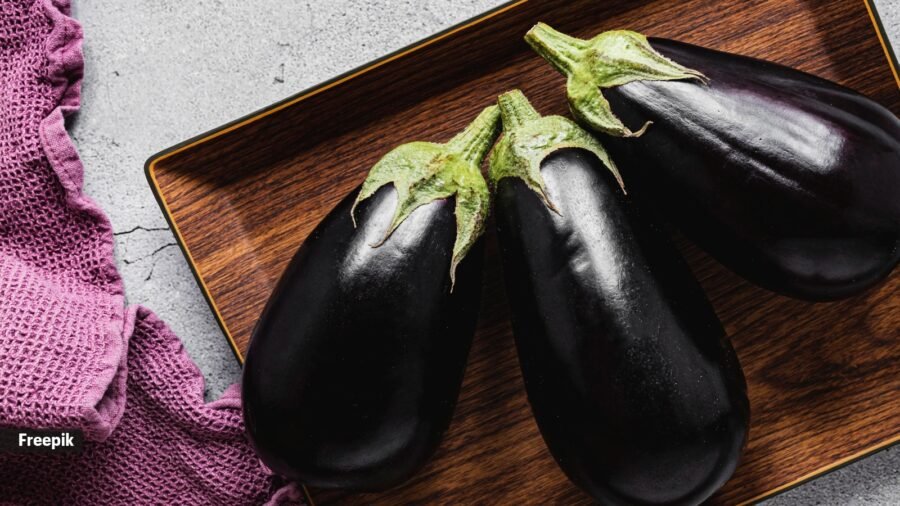
“A fresh and good-quality brinjal should feel firm but not rock hard when gently pressed,” Sharma reveals. “The flesh should offer slight resistance and quickly return to its original shape.”
That little bounce-back is a useful sign that the vegetable is still fresh and has retained its natural moisture.
On the other hand, “If the brinjal feels overly soft, mushy, or spongy, it may be overripe or beginning to spoil.”
Story continues below this ad
What if you press it and the dent stays?
“If you gently press a brinjal and the skin remains indented instead of bouncing back, it is usually a sign that the vegetable is no longer very fresh,” the nutritionist confirms.
As she explains, this happens as the brinjal loses moisture and firmness. Such a vegetable may have softer flesh, a less pleasant texture and a shorter shelf life.
So, at the market, look for a baingan that feels firm and springs back when gently pressed, rather than one that stays squished.
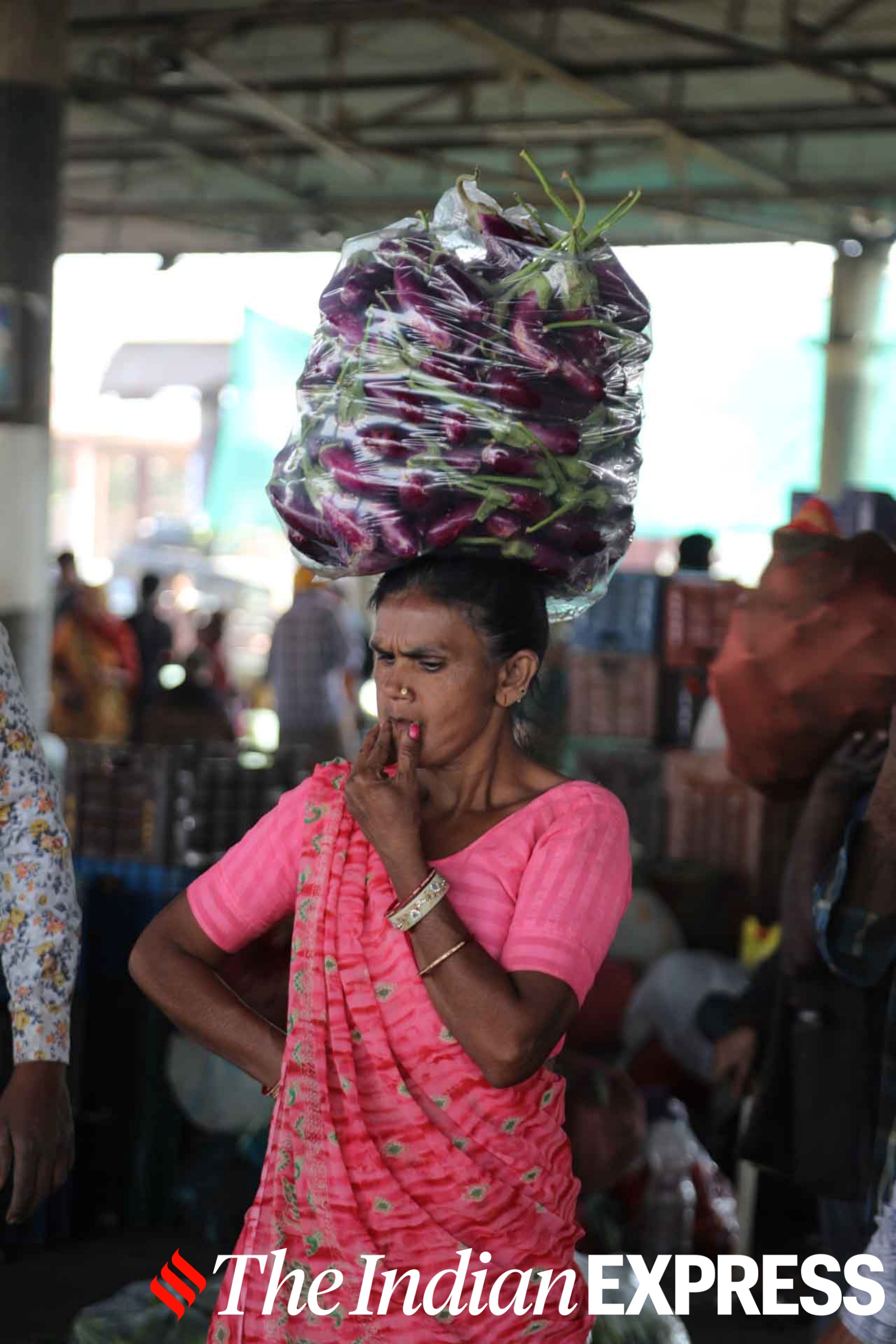 Large, oversized brinjals are more likely to be overripe and contain a higher number of seeds
Look for shiny skin and a green stem
The skin can also give you clues about what is happening inside.
Story continues below this ad
“The skin of a fresh brinjal should look smooth, shiny, and brightly coloured, whether it is purple, green, white, or striped, depending on the variety,” Sharma says. It should feel “tight and slightly glossy, not rough, shrivelled, or dull.”
She recommends avoiding brinjals with “cuts, bruises, cracks, holes, or discoloured patches”.
And don’t forget to check the stem. “The stem is one of the easiest ways to judge a brinjal’s freshness.”
A good one should have “a bright green, firm, and healthy-looking stem and cap”. These parts should also look moist rather than dried out.
Story continues below this ad
“If the stem appears brown, shrivelled, brittle, or dry, it may indicate that the brinjal has been harvested long ago and has lost freshness.”
So don’t just admire the baingan’s glossy body. Flip it over and check the top, too.
Should you pick the biggest baingan?
Not always. If you want softer flesh and fewer seeds, size matters. “Smaller to medium-sized brinjals are often softer and contain fewer seeds than very large ones,” Sharma tells indianexpress.com.
Large, oversized brinjals are more likely to be overripe and can contain more seeds. “When cut open, old brinjals often contain dark or brownish seeds and spongy flesh.”
Story continues below this ad
These are also characteristics that “can sometimes contribute to a slightly bitter taste”.
So don’t assume bigger means better. Sharma says choosing “medium-sized, firm brinjals with smooth, shiny skin generally increases the chances of getting tender flesh, fewer seeds, and a milder flavour.”
What about wrinkles and brown spots?
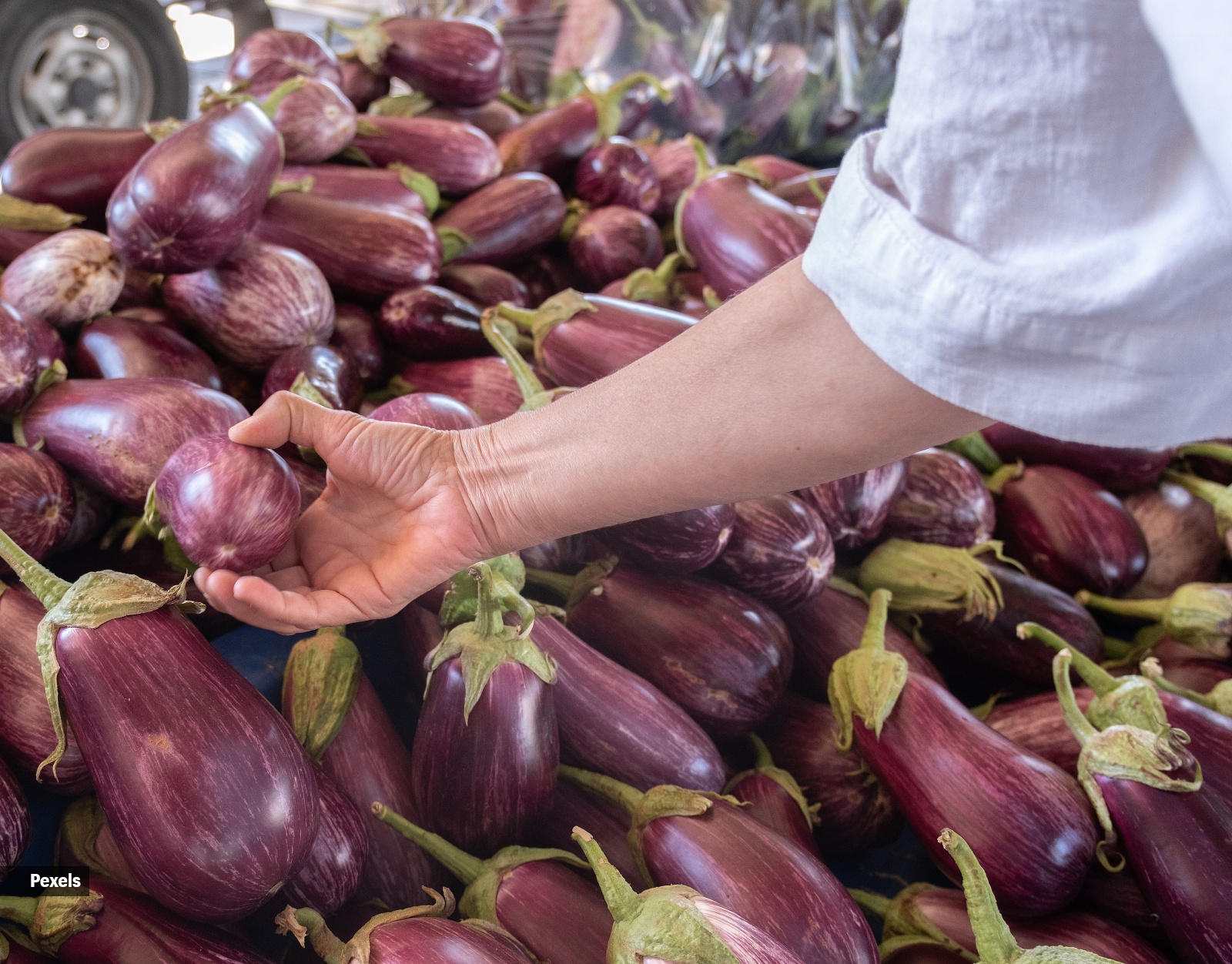 Avoid brinjals that have soft or mushy areas, deep cuts, cracks, mould growth, insect holes, leaking fluid, or a foul smell (Pexels)
A wrinkly baingan may not be the best bet. “Wrinkles, brown spots, and dull skin are often warning signs that a brinjal is ageing and may be past its best quality.”
“Wrinkled skin suggests moisture loss, while brown spots can indicate bruising, damage, or early spoilage.”
Story continues below this ad
Fresh brinjals naturally have a bright, glossy appearance. As they age, “the skin becomes dull and less appealing”.
Minor blemishes don’t necessarily mean the vegetable is unsafe, but these brinjals may have inferior texture and flavour compared with fresher produce.
When should you simply leave it behind?
Some signs mean it’s better not to take a chance.
“Avoid brinjals that have soft or mushy areas, deep cuts, cracks, mould growth, insect holes, leaking fluid, or a foul smell,” Sharma advises. These are strong indicators of spoilage and poor quality.
Story continues below this ad
“Excessive wrinkling, severe discoloration, black patches, and a completely dry stem also suggest that the vegetable is old and no longer fresh.”
Her simple rule for the market? “Always select firm, clean, brightly coloured brinjals with a fresh green stem for the best quality.”
So next time you’re standing in front of a pile of baingans, don’t pick one based on colour alone. Press it, inspect the skin, check the stem and think twice before choosing the biggest one.

Why Anup Jalota calls his sea-facing home the ‘best vacation place in the world’
By Sohail Khan · 26 Sep
I have a ferritin face: What experts want you to know about low iron
By Sohail Khan · 26 Sep
Radhika Apte on men getting nervous during intimate scenes: ‘The vulnerability is real’
By Sohail Khan · 26 Sep
Leave a Reply