Chemically ripened bananas: What consumers need to know before buying
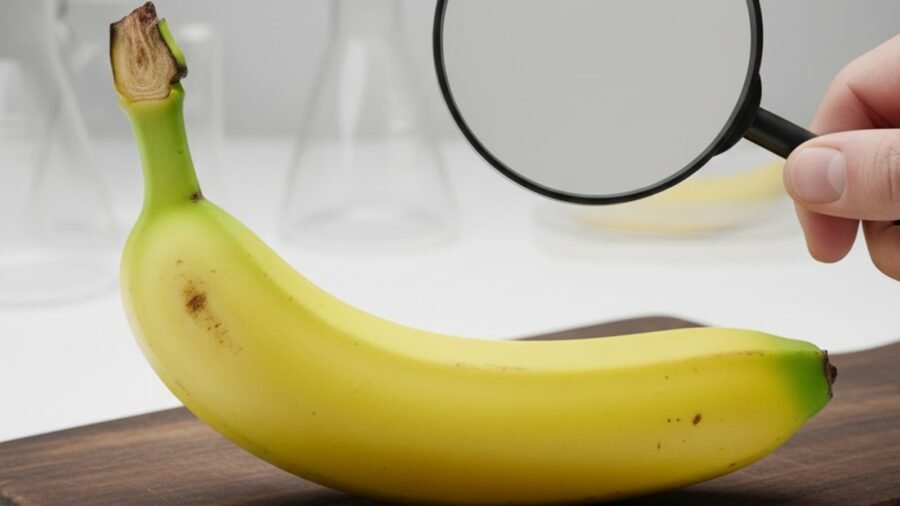
Many videos on the Internet are warning people about “chemically ripened” bananas. What should consumers do? That’s what we asked Dt. Amreen Sheikh, chief dietitian, KIMS Hospitals, Thane, who clarified that while it is good to be aware, “it’s also important not to panic or rely on oversimplified messages in viral videos.” “Not every unevenly coloured banana is chemically ripened. Natural ripening can also be uneven, depending on storage, transport, and temperature,” said Sheikh.
What exactly are chemically ripened bananas?
Chemically ripened bananas are those treated with substances that speed up ripening after harvest. “In the past, illegal use of calcium carbide was common, which is why awareness campaigns exist. However, today, most large suppliers use safer ripening agents like ethylene gas, which imitates the natural ripening hormone that fruits produce,” said Sheikh.
Story continues below.
Subscribe to see fewer ads.
Calcium carbide is banned in India for ripening fruit because it can release toxic impurities and pose health risks if misused. “Its use has dropped due to stricter regulations and better oversight. Consumers should be cautious, but they shouldn’t assume that all bright yellow bananas are unsafe,” said Sheikh.
Can you really identify chemically ripened bananas by colour patterns alone?
Colour alone is not a reliable indicator. While chemically ripened bananas may sometimes appear yellow on the outside and green near the stem or tip, naturally ripened bananas can show similar patterns. Texture, smell, and taste are more important in chemically ripened fruits, which might lack aroma and feel unusually hard even though they are yellow,” said Sheikh.
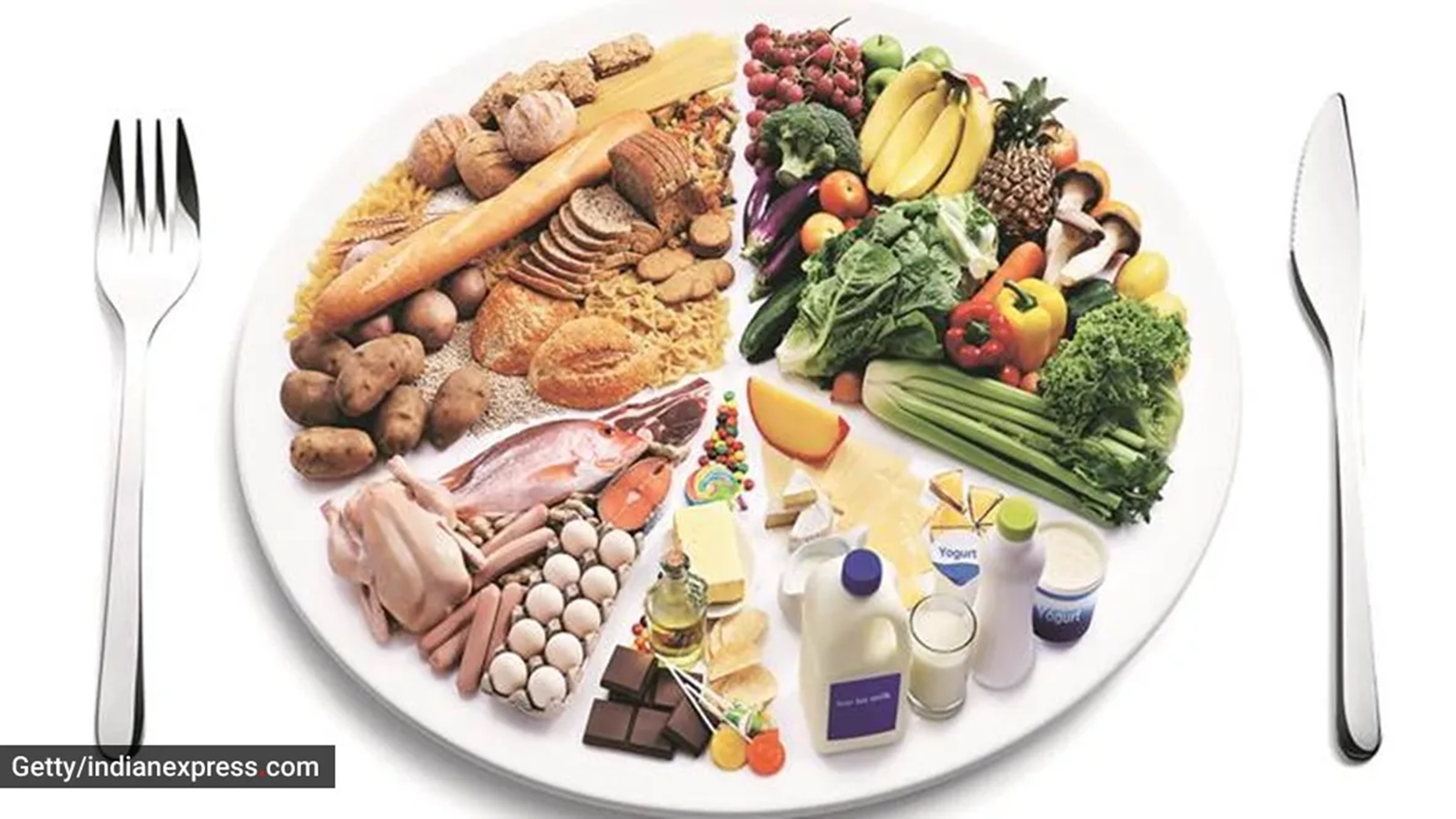 Here’s what you should keep in mind
Are chemically ripened bananas harmful if eaten occasionally?
If fruits are ripened using approved methods, such as ethylene, they are considered safe. The real concern arises from the use of illegal chemicals under unhygienic conditions. Washing fruits thoroughly and buying from trusted vendors significantly lowers the risk, said Sheikh.
What to note?
*Choose bananas that look firm but not overly shiny, have a mild natural scent, and are free from chemical smells.
*Avoid fruits that ripen too quickly or spoil unevenly at home. Buying seasonal produce from reliable sources is always a safer option.
Story continues below this ad
Awareness is important, but fear-based messages can be misleading. “Most bananas in the market today are safe when sourced responsibly. Instead of relying on viral shortcuts, consumers should focus on hygiene, moderation, and informed purchasing,” said Sheikh.

Kochi Is changing the way it dates, talks about sex and relationships
By Sohail Khan · 26 Sep
Post-World War II norms cannot fix today’s problems
By Sohail Khan · 26 Sep
A bronze medal, quiet gains in table tennis
By Sohail Khan · 26 Sep
Leave a Reply