Changing moods of the monsoon
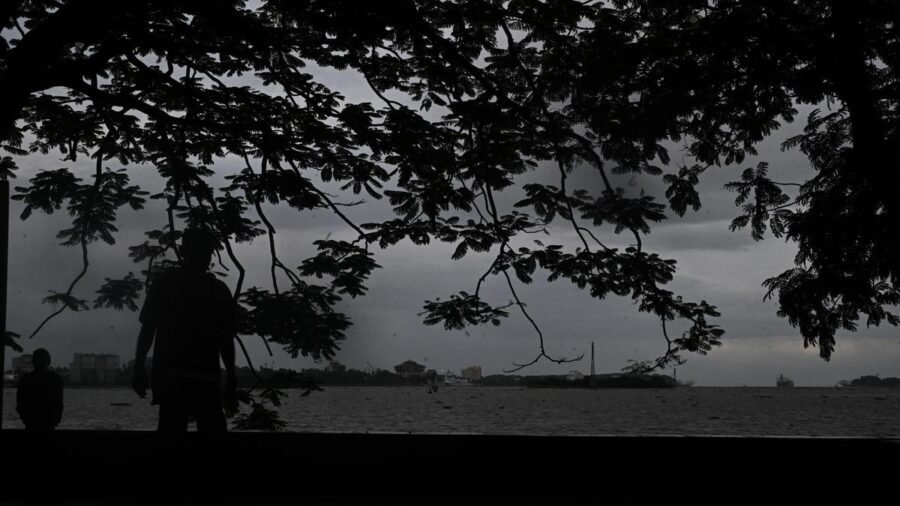
This year, I did not buy a new umbrella.
For as long as I can remember, buying an umbrella at the start of every rainy season has been a small ritual in Malabar. Yet this June, I decided to manage with the old one. The rains had been unusually hesitant.
For me, the first casualty of every monsoon was my morning walk. My day usually began with a walk around the neighbourhood. Once the rains arrived, those walks gave way to indoor exercises, a compromise I accepted reluctantly.
This year, however, the rains devised a different game. Almost unfailingly, a brief shower would arrive just before dawn, precisely when I prepared to step outside. By mid-morning it would stop, and the rest of the day would remain dry, though the sky stayed heavily overcast. I improvised. Instead of chasing the sunrise, I began walking at noon. That simple adjustment opened the door to a different monsoon.
A morning walk has its own freshness, but a noon walk beneath a canopy of clouds has a drama all its own. Thick dark clouds soften the tropical light, giving midday an ethereal quality. The greenery takes on a muted glow against the silvery sky. A burst of butterflies takes wing in the unexpected dry spell. Sunbirds hang in the air before the roadside blooms, their wings blur as they probe for nectar.
I was not the only one adapting. The lottery ticket seller on my regular route had moved his stool onto the paved footpath under the blanket of clouds. No scorching sun; no drenching rain; he sat through the noon hour. A little farther ahead, municipal workers in blue uniforms were still sweeping the streets at noon instead of finishing their work before the day heated up. The changing weather had quietly rearranged the rhythm of an entire neighbourhood.
The shift in rainfall patterns has not happened overnight but incrementally over years. The rains once arrived steadily and lingered for days, unlike the short cloudbursts that have become increasingly common. Long before the first drops fell, we children heard the gentle roar of approaching rain rolling across the landscape like distant applause, sending us racing home before the downpour caught us.
Other sounds have faded too. The deep-throated croaks of frogs no longer fill the evenings. Cicadas no longer weave their chorus through the night. The sea, only a couple of miles away, no longer announces its presence with its familiar monsoon rumble. Passing trains no longer echo through damp monsoon nights with that sharp cadence.
The rains have changed their colours too. Once, they came in a single watercolour wash, steady rain blurring the countryside into sombre rain-washed tones. Since the devastating floods of 2018, every spell of rain here has come with an official colour: yellow, orange or red. Rain is no longer just rain. It now comes coded with warnings, and colour, a measure of anxiety.
My old umbrella has survived another season.
The monsoon has always been more than a season of rain. It is a season of sounds, colours and changing rhythms. This year, it has become a season of adaptation. Nature is rewriting its old script. We are quietly rewriting ours.
harichitrakootam@yahoo.com


US leverage, India’s limited options: Why is the trade deal taking so long?
By Sohail Khan · 2 Oct
10 weekend getaways from Delhi within 300 km that are perfect for a bike ride
By Sohail Khan · 2 Oct