Can Evan Spiegel Sell the World on $2,195 Smart Glasses?
As the company struggles with profitability, Snap’s CEO is doubling down on a hardware play that has made some investors wary.
Published on: Sep 2, 2026, 19:00:28 IST
Prefer HTon Google
Share via
Copy link
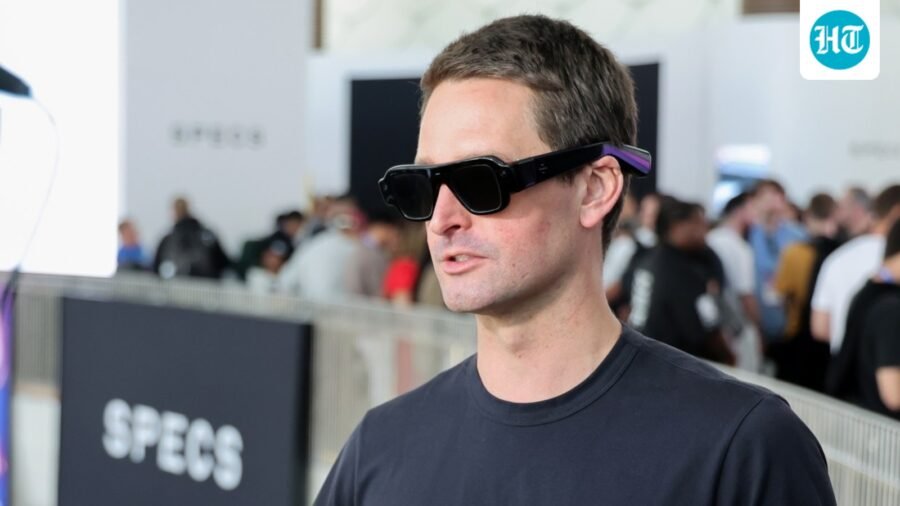
Snap CEO Evan Spiegel bet big on developing new smartglasses and was ready to show them to the world.
But as Spiegel prepared for a CNBC interview in June ahead of the fall product launch, at least one person internally advised him not to wear the glasses for the entire segment and instead focus on talking about them, according to people familiar with the matter. Spiegel wore them anyway.
Commenters on social media described the glasses as “laughably ugly,” and “3D glasses at an IMAX theater.” “Are we being punked?” one poster asked.
It amounted to a rebuke of a project that Spiegel has been focused on for years, at times to the frustration of employees and investors as the company’s share price struggled, according to people familiar with the matter. Spiegel sees the glasses as a long-term bet on future devices as artificial intelligence changes how people interact with technology.
Some leaders at the company have raised concerns with Spiegel about the amount of time he spends on the new glasses relative to the company’s core moneymaker, the Snapchat platform, according to people close to the discussions.
The September launch of Snap’s $2,195 glasses represents a test of the CEO’s vision. Once a social-media darling, Snap has struggled with profitability and fierce competition from rivals including TikTok and Instagram parent Meta Platforms, which is in the throes of its own push to sell glasses with AI-powered features.
Snap shares are down more than 30% this year, and the 15-year-old company has never had a profitable year. It lost nine million daily users of its core social-media app in North America over the last three years, and an activist investor earlier this year challenged its strategy.
In the past 18 months, Snap has seen the departures of its general counsel, chief financial officer, chief creative officer, chief communications officer and the senior executive in charge of the augmented reality function of the smartglasses.
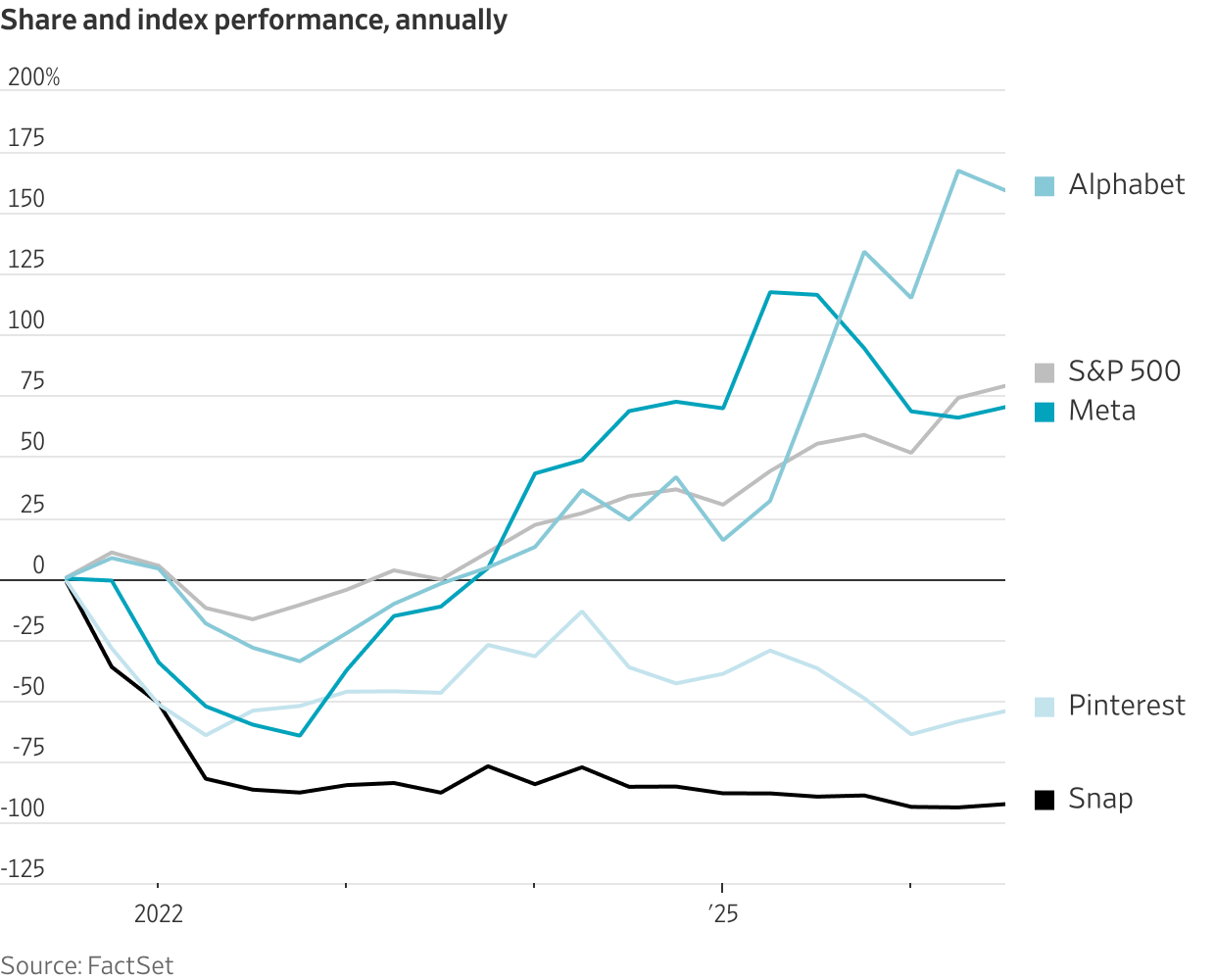
A spokesman for Snap said the company’s revenue grew 19% year-over-year in the most recent quarter, and was approaching one billion monthly active users. The CNBC interview helped raise Specs’ profile and Spiegel’s followers on X have quadrupled, the spokesman said.
“We have invested thoughtfully in making computing more human with Specs augmented reality glasses and we are looking forward to sharing more at our September 16th launch event.”
Some analysts say glasses offer a chance to diversify beyond Snap’s core app long-term, though they are unlikely to be a meaningful driver of growth in the near term.
Ramon Llamas, research director with IDC’s devices and displays team, said Snap had made a number of acquisitions to be able to own the tech behind the glasses.
“It’s a very well calculated bet and it is a bet that Snap is prepared for,” he said of Snap’s glasses launch. “Now it’s a bet to get users to shell out $2,200 a piece.”
Snapchat’s success
Spiegel emerged as a household name a decade ago when the success of his disappearing-messaging app propelled his startup to a public offering and made him a new wunderkind of entrepreneurship. He and co-founder Bobby Murphy hold near total control of the company.
Young people across the country downloaded Snapchat as a way to send each other pictures that quickly disappeared. The company released its first spectacles shortly before its 2017 IPO.
Its core ad business has remained the moneymaker but faced increased competition from TikTok and Instagram’s Reels.
By 2023, employees on Snap’s product team responsible for the look and feel of the core app hoped to capture more of the short-form vertical-video success that TikTok had found and explored app redesigns with test names such as Simple Snapchat, Broccoli and Tab Swap. Results were mixed, however, and potential changes jeopardized the success of a lucrative ad slot on the app, according to people familiar with the redesigns.
Spiegel was already envisioning a future in which smartglasses, rather than phones with apps, were the future of computing.
Last year, he sought a new path to distinguish his hardware efforts, asking Snap’s marketing team to rebrand the smartglasses unit of the company as “Specs.” Spiegel had been spending more and more time on the glasses and told the team he wanted the brand to feel more adult and high-end, people familiar with the conversations said.
Yellow, the company’s signature color, wasn’t sophisticated enough, he said, and he told employees to adopt a sleek and sophisticated look, some of the people said. They landed on a silvery, black-and-white color palette.
Spiegel has said he thinks smartglasses are better than phones, because they allow users to interact with the physical world and remain present rather than disappearing into personal screens. He has described watching his children donning Specs to run around playing laser tag, learn about dinosaurs and build with virtual Legos.
Preparing for launch
Spiegel assigned about 500 employees to the new subsidiary made for Specs earlier this year, according to a person familiar with the matter. The company had 5,261 full-time employees at the end of 2025.
It planned to raise outside funding for Specs, but the funding never came, according to some of the people. The company has said it doesn’t need outside funding for Specs.
In March, activist investor Irenic Capital Management, which at the time said it had about a 2.5% stake, wrote a letter to Spiegel suggesting he cut costs and shut down Specs if the effort couldn’t sustain itself.
The company laid off about 1,000 employees, representing about 16% of its full-time staff, a few weeks later. Specs remained a priority.
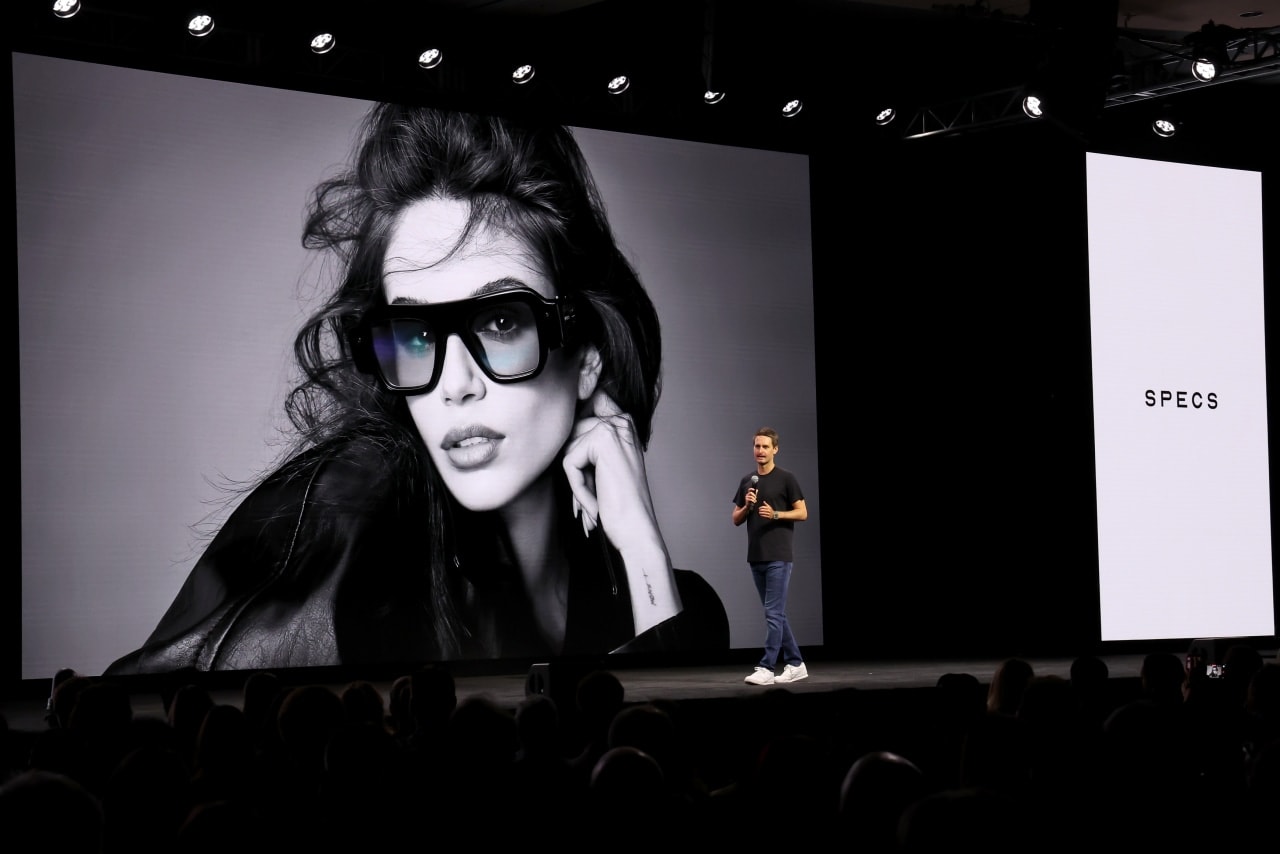
Snap rolled out a splashy ad campaign with photos of celebrities such as NBA player Jimmy Butler, rapper Jack Harlow, model Kaia Gerber, and others wearing the new Specs. A billboard advertisement featuring Butler sporting Specs towers above Union Square in San Francisco, home to Butler’s Golden State Warriors.
In June, Snap rival Meta unveiled its new smartglasses with prices starting at $299. At a launch event in New York, Meta’s Chief Technology Officer Andrew Bosworth referenced benefiting from criticism Snap had faced. “When somebody takes different choices than we take in terms of weight and comfort, we get to learn from that and see how people respond to it,” Bosworth said. “I’ve said too much.”
Meta announced a smartglasses collaboration with the celebrity Kylie Jenner, whose posts on Snapchat had previously helped drive its cultural relevance.
When Spiegel spoke to investors after reporting in August that Snap’s quarterly loss narrowed and revenue rose, he said he doesn’t expect Specs to take off among consumers until the end of the decade, and that the weight and cost of the glasses need to come down. Still, he reiterated his excitement to show the world what Specs can do.
The company is holding its launch event in Beverly Hills to showcase the results of Spiegel’s wager thus far.
“Evan Spiegel invites you to the launch of Specs,” the nontransferable invitation reads. “See for yourself.”
Write to Jessica Toonkel at jessica.toonkel@wsj.com, Georgia Wells at georgia.wells@wsj.com and Suzanne Vranica at Suzanne.Vranica@wsj.com
See Less
RBI reports $136.38 billion forex inflows under special swap facility as of August 31
By Sohail Khan · 2 Sep
150 Himachal schools teacherless; 3,500 have 1
By Sohail Khan · 2 Sep
Leave a Reply