Bombay High Court Warns Criminal Cases Cannot Be Used As Bargaining Chips In Private Settlements, Quashes FIR Against Pune Man
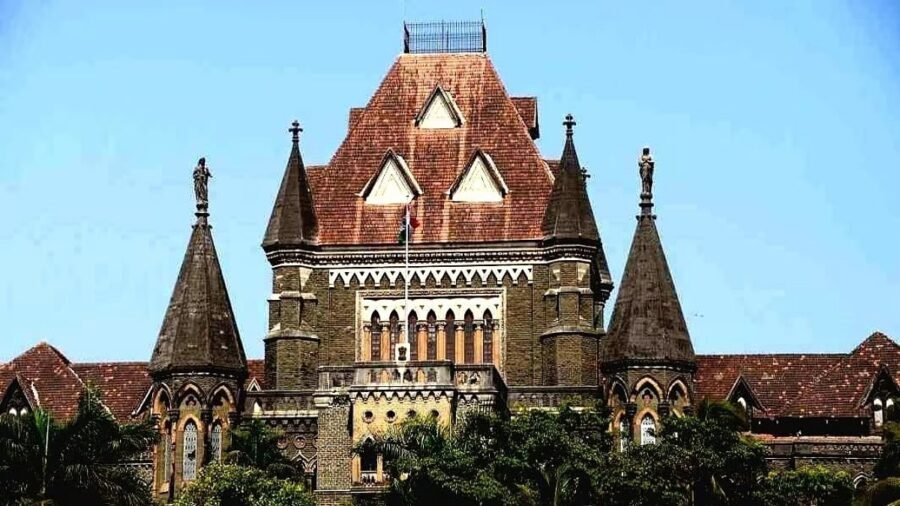
The Bombay High Court warned that criminal proceedings cannot be used as a “bargaining chip” in private settlements while quashing an FIR against Pune man Niraj Rajaram More. Justice Milind Jadhav said such practices burden police and courts. The complainant had stated that More was mistakenly named and was directed to pay ₹20,000 to a trust.

Bombay High Court Warns Criminal Cases Cannot Be Used As Bargaining Chips In Private Settlements, Quashes FIR Against Pune Man | file pic
Mumbai: The Bombay High Court has warned that criminal proceedings cannot be used as a “bargaining chip” in private settlements, saying such cases waste police and judicial resources. The court made the observation while quashing an FIR against a Pune man after the complainant said he had mistakenly named him in the case.
Court Directs Complainant to Pay ₹20,000 Cost
Justice Milind Jadhav directed the complainant to pay Rs 20,000 to the A.K. Munshi Yojana trust, stressing that courts should consider imposing costs when parties seek to end criminal proceedings through consent.
“Criminal law cannot be used as a bargaining chip or a tool for private settlements,” the court observed. It said allowing such practices could undermine the criminal justice system and divert public resources from genuine cases.
`;
FIR Against One Accused Can Be Quashed Separately
The court also clarified that there is no legal bar on quashing proceedings against only one accused person, even when several others are named in the same FIR. It held that relief could be granted where the material on record and the complainant’s subsequent stand justified such action.
The case arose from an FIR registered at Chikhali police station in Pimpri-Chinchwad in September 2023. Niraj Rajaram More was among seven accused booked in connection with allegations including rioting, assault, criminal intimidation, attempt to murder and offences under the Arms Act.
Complainant Says Accused Was Named Due to Confusion
During the proceedings, the complainant filed a consent affidavit stating that he had been unable to identify More accurately during the night-time incident. He said More was “not involved” in the alleged assault or pistol threat and that his name had been mentioned amid the “confusion and chaos” at the spot.
The complainant also told the court that he did not wish to pursue the case against More.
Taking note of these circumstances, the High Court quashed the FIR and all subsequent proceedings against More. However, it made clear that the complainant’s decision to withdraw the allegations did not automatically justify ending the case without consequences.
The court’s direction to pay costs reflects its broader concern that criminal cases should not be filed, pursued or withdrawn merely to settle private disputes.
To get details on exclusive and budget-friendly property deals in Mumbai & surrounding regions, do visit: https://budgetproperties.in/

Add As a
Trusted Source 




Leave a Reply