Bigorexia in teenagers: When gym, muscles and protein take over a young person’s life
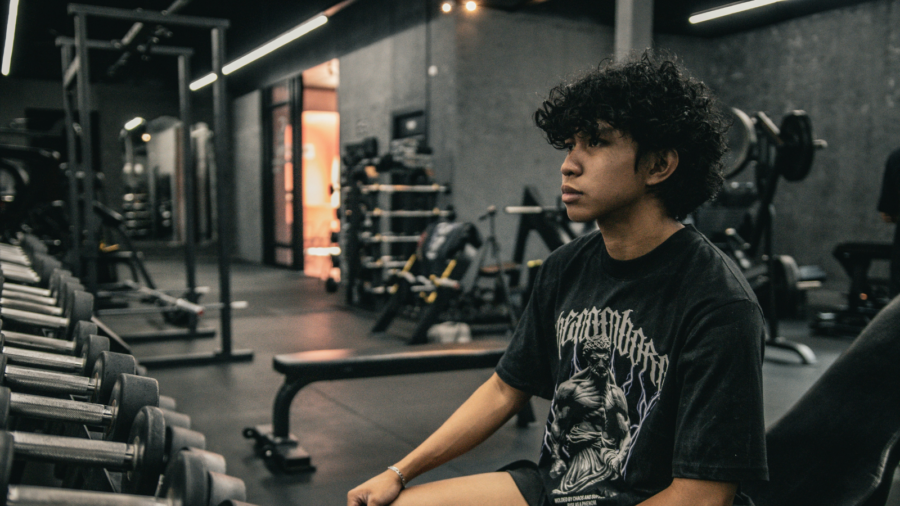
Bigorexia, also known as muscle dysmorphia, is a type of body dysmorphic disorder where a person believes that their body is not muscular and strong enough, even when others think they are fit. The condition can affect mental wellness as well as physical health.
How is bigorexia different from simply being passionate about fitness or bodybuilding?
While bigorexia can be connected to an unhealthy preoccupation with a person’s image, it can also penetrate deeper and affect a person’s psyche, relationships and daily life.
Dr Pooja Verma, a consultant in clinical psychology at Yashoda Medicity, says, “Having a fitness and bodybuilding goal is one thing, but a severe case of bigorexia is when a person cannot step away from their routine and put their physical appearance aside, even for an evening.”
Story continues below.
Subscribe to see fewer ads.
When a person has a healthy relationship with their fitness tracking, they can easily miss a day at the gym and move on with their life.
However, people with bigorexia will have constant guilt, anxiety and the need to compensate for the missed workout, says Pooja. She adds, “The difference between a healthy approach to fitness and bigorexia is when a person’s concern with their body takes over their life and affects their relationships, work, and other areas.”
Why do some teenagers develop a distorted perception of their bodies, and to what extent can it go?
During adolescence, young people are constantly comparing themselves with others—especially on social media, where highly edited images and unrealistic fitness standards are emphasised. A teenager may be muscular and healthy but still feel they are ‘not good enough’ or need to look bigger or leaner.
Story continues below this ad
Surg Commodore (Dr.) Sunil Goyal (Retd), senior consultant – Psychiatry at Sarvodaya Hospital, Sector-8, Faridabad, says, “This can become linked to perfectionism, or the pressure to fit a certain image. In some cases, boys may become overtly focused on gaining muscle. However, what is more worrying is when it becomes extreme and takes the form of a mental health issue. No amount of reassurance can remove this thought from the mind. This often results from chemical changes in the brain, genetics, bullying, or perfectionist personality traits. It may also go to the extent of demanding cosmetic surgery.”
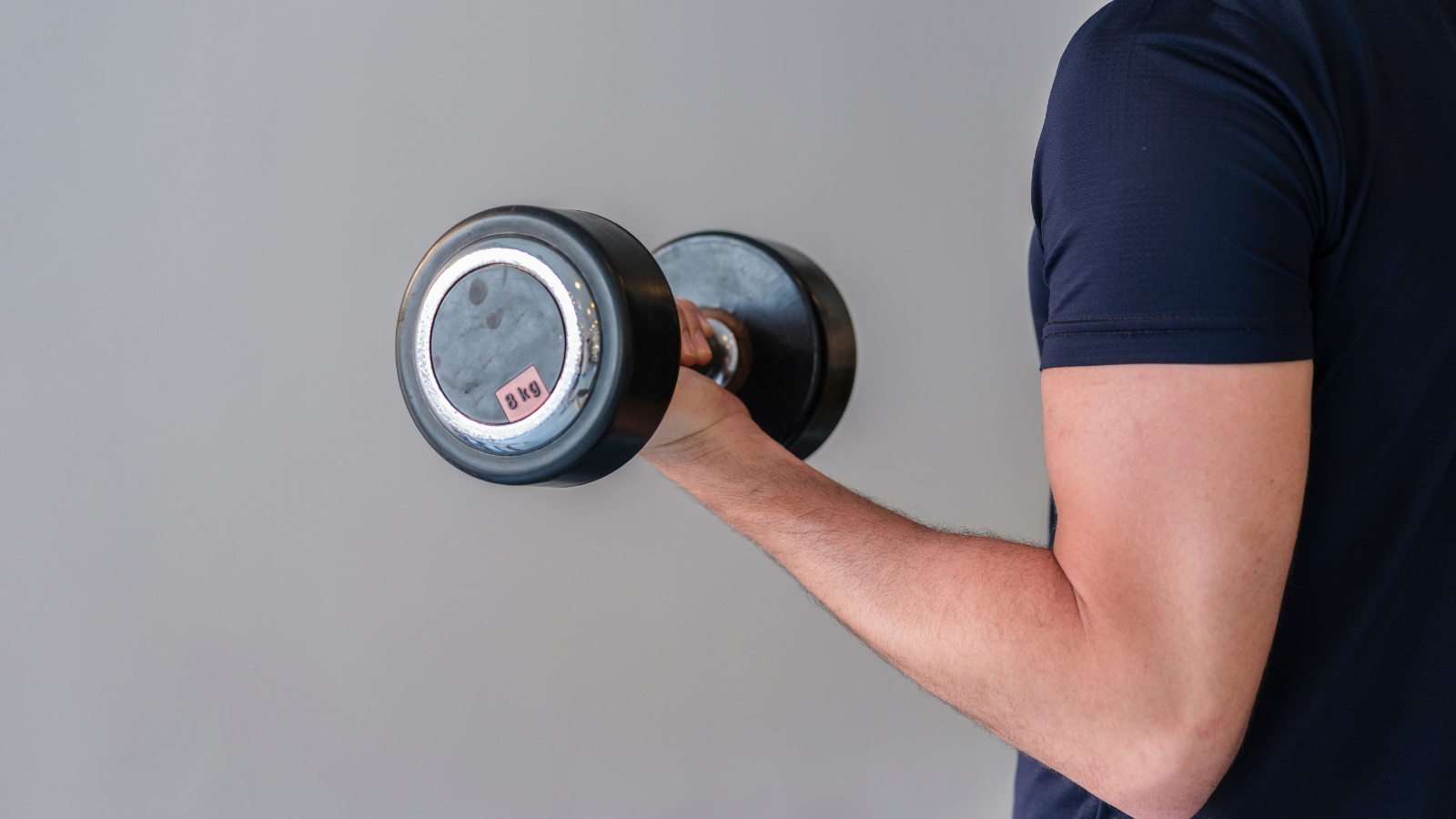 Young man looking at his muscles
Emotional or psychological symptoms:
Dr. Rahul Chandhok, senior consultant & head of psychiatry, mental health and behavioural sciences at Artemis Hospitals mentions the following symptoms to watch out for:
- Never satisfied: Someone might fixate on their flaws, look at their muscles in a mirror and compare their body to others.
- Low self-esteem: Confidence may be heavily dependent on body size and muscularity & physical appearance. They might feel inadequate, unattractive and unsuccessful even with a muscular body.
- Anxiety and distress: Missing a workout, eating food that wasn’t planned and feeling less muscular can all cause intense worry, guilt and emotional upset.
- Social withdrawal: Some will avoid beaches, changing rooms, social events and situations where their body may be seen, for fear of judgment.
- Obsessional thoughts: Thoughts about the size of your muscles, your workouts, your diet and your appearance may take up most of the day and make it difficult to concentrate on your work, your relationships or other activities.
- Mood changes: You may feel frustrated, irritable, sad and hopeless especially when goals about your appearance seem out of reach.
What parents need to watch out for
The biggest misconception parents have about bigorexia is that they mistake it for healthy discipline or a strong interest in fitness.
Dr. Munia Bhattacharya, who is a senior consultant psychologist at Marengo Asia Hospitals, Gurugram says, “A young person who spends hours at the gym, carefully monitors food and protein, and constantly talks about building muscle may appear committed and health conscious. These are behaviours society often praises, particularly in boys. That is precisely why bigorexia can be difficult to recognise.”
Story continues below this ad
The problem is not exercise itself, but when body image becomes distorted and self worth becomes increasingly tied to being bigger and more muscular.
Dr Gorav Gupta, who is a senior psychiatrist and CEO at Tulasi Healthcare New Delhi says, “Compulsive exercising is of particular concern. One who suffers from muscle dysmorphia may check their muscles in the mirror obsessively, compare his body to other individuals and take numerous selfies. Parents should also be concerned if their child is overly conscious of protein intake or other supplements, spends a lot of time looking for diets online, becomes irritable and loses confidence to interact in a normal manner.”
To deal with such a situation, Dr Gorav suggests that the child must be approached without any negative remarks or comments related to his physical attributes. “In case of any impact of such behaviors on the child’s education, relationships, health, or everyday life, it is vital to reach out to a specialist to get help,” he adds.


US leverage, India’s limited options: Why is the trade deal taking so long?
By Sohail Khan · 2 Oct
10 weekend getaways from Delhi within 300 km that are perfect for a bike ride
By Sohail Khan · 2 Oct