Amid El Niño conditions, Centre sets lower foodgrain target for 2026-27
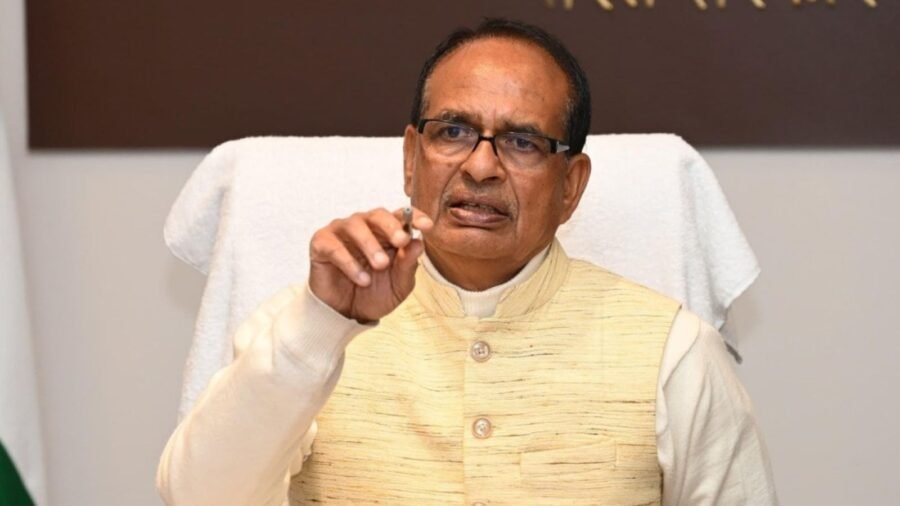
Amid adverse conditions caused by El Niño, the central government has set a foodgrain production target of 373.93 million tonnes for 2026-27, which is 2.63 million tonnes lower than the estimated output in 2025-26.
Addressing a press conference during the National Agriculture Conference–Rabi Campaign 2026, Union Agriculture Minister Shivraj Singh Chouhan said, “Against the target of 362.60 million tonnes, the production reached 376.56 million tonnes during 2025-26. In view of the situation created by El Niño, the production target has been fixed at 373.93 million tonnes for the year 2026-27, which includes the Rabi production target of 177.72 million tonnes.”
“We have set targets by taking into account factors such as water availability and soil moisture, and by holding state-wise consultations to adjust cropping patterns in the face of adverse conditions. Our aim is to avoid water-intensive crops in areas that have received low rainfall and where reservoir levels and soil moisture are low; instead, we intend to cultivate crops like pulses and oilseeds in those regions. These targets have been determined with these considerations in mind,” he said.
Story continues below.
Subscribe to see fewer ads.
Chouhan said there was no shortage of fertilisers for the ensuing rabi season. The states have pegged the requirement of fertilisers, including DAP and urea, at 380 lakh metric tonnes for the 2026-27 season. He said there was an opening stock of 163 lakh metric tonnes, higher than the opening stock of 122 lakh metric tonnes a year ago.
The agriculture minister said there had been a drop in fertiliser consumption in 200 districts where the Centre along with states had launched a pilot project to promote balanced use of chemical fertilisers. This has led to a saving of more than Rs 14,00 crore, he said.
Slight decrease in area sown
Discussing the impact of the erratic monsoon, Chouhan said the Centre had initiated comprehensive measures to tackle El Niño as early as April this year. There was a 14 per cent rainfall deficit across the country, he said, adding that it narrowed to 12 per cent after good rain over the last three or four days.
Chouhan said there was a slight decrease of 1 per cent in the area sown, which is almost equal to normal. The paddy crop witnessed the biggest decrease, he said, adding that there had also been slight declines in the areas of maize, soyabean, and cotton.
Story continues below this ad
However, the area under pulses, oilseeds, and coarse cereals like urad, bajra, jowar, sesame, sunflower, and tur has increased, the minister said.
135-yr-old library, 8.5 lakh books – and no room in the new Central Vista plan
By Sohail Khan · 29 Sep
Where did funds for mining areas go in Odisha? DM residence, stadium, school events
By Sohail Khan · 29 Sep
2 men from Jharkhand went to Vietnam to teach yoga. Now, kin await their bodies
By Sohail Khan · 29 Sep
Leave a Reply