All the President’s men and women pay this personal cost during service
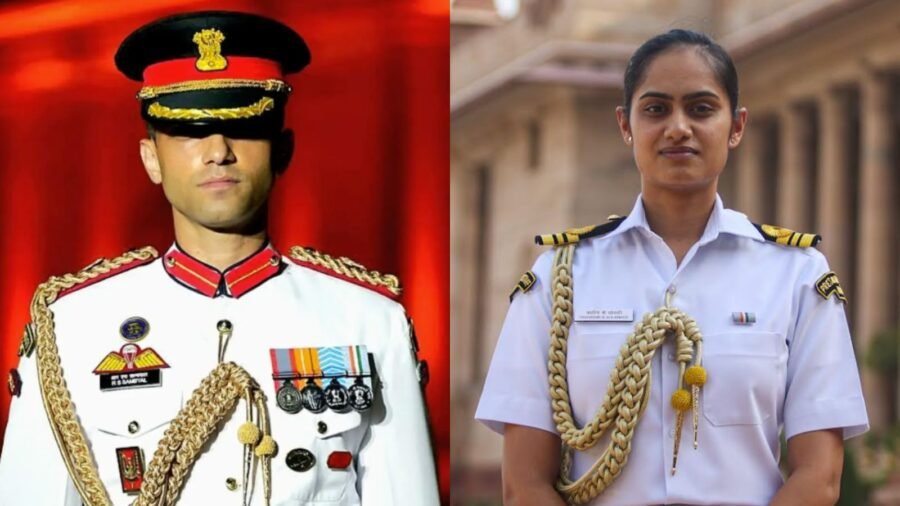
They are aides to the First Citizen of India; they plan the President’s day, shield her from every disruption; inspire reels and rumours alike, and many dream of being where they are. But what is the personal cost for an aide-de-camp (ADC) to the President of India?
Major Rishabh Singh Sambyal (retired) has served as an ADC to President Droupadi Murmu. Last month, he announced his retirement from the Indian Army after 12 years of service, about three years of which were by the side of President Droupadi Murmu.
In a freewheeling conversation with podcaster Raj Shamani, the former Special Forces officer, now 30, took a tough question: What personal sacrifice did he make for the job? “I am not married. So there is a clause for the ADCs that they can’t get married… they have to stay away from the family, and I think this is the biggest sacrifice,” he said. He added that while serving as an aide-de-camp to the President, “I can’t go out as a normal human being and enjoy life.”
Story continues below.
Subscribe to see fewer ads.
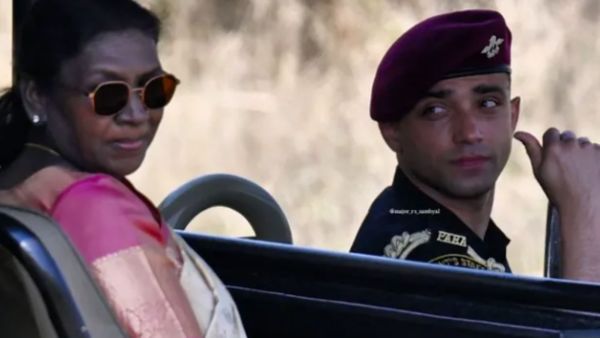 Major Rishabh Singh Sambyal with President Murmu during his term as ADC
Asked if it got lonely for him, the officer said he grew to enjoy his loneliness. “Yes, I do get lonely, but I turn that loneliness into a positive thing,” he replied.
Major Sambyal (retired) trained at the Indian Military Academy before joining the Jat Regiment. He then served with the 4 Para Special Forces before becoming ADC to the President of India.
The officer said a very challenging part of the job as an ADC to the President is liaising with people from across the country. Speaking about the President’s tours, he said the President has at least three engagements daily when she is on an official tour. “The moment she gets down from the car to the moment she gets back in the car after the event, everything has to be planned. We don’t want ruckus when the President is sitting on the dais. We don’t want people to start slogans against something,” he said.
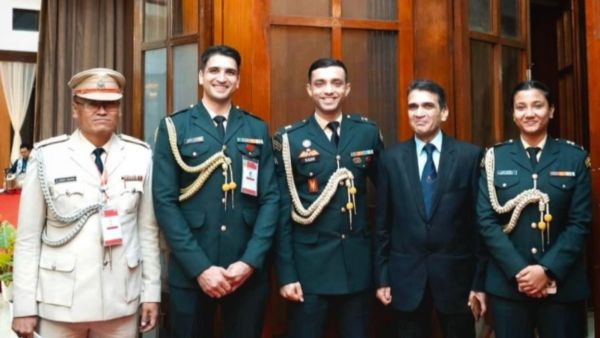 The President of India has five ADCs — three from Army and one each from Navy and Air Force
At one point, he even admitted that he looked at everyone with distrust owing to his rigorous training and his job. Asked if people try to bribe an ADC, he replied, “So when someone we don’t know… they try to be friends, but if we don’t know them, then we also know there is something fishy.”
Story continues below this ad
When told that such proposals can also be harmless, he pointed out that he was at a position where he could be manipulated and exploited. “Because we are young people, there is a natural tendency or thought process that they are young people; we can manipulate them, but the selection process I spoke about puts the filters in place,” he said.
“Personally, I see everyone with distrust. Until I get that confidence and trust, I always have that one day; the person who is sitting in front of me will backstab me,” he said.
The President has a total of five ADCs – three from the Army and one each from the Navy and the Air Force. The ‘no marriage’ rule for ADCs to the President is a voluntary requirement an officer is aware of at the time of appointment, it is learnt. There have been instances in which some officers selected for the post have opted out. The idea behind the ‘no marriage’ rule, it is learnt, is to ensure that the officer serving the First Citizen can focus 24/7 on the job and is available round the clock.
And this rule applies to all genders. Last year, Lieutenant Commander Yashaswi Solankee of the Indian Navy was appointed ADC to the President, the first time a woman officer got the position in 75 years. And earlier this year, Major Navya Shekhawat became the first woman Army officer to get the coveted job. President Murmu currently has two women ADCs and three men ADCs.
View this post on Instagram
A post shared by Major Rishabh Singh Sambyal (@major_rs_sambyal)
What is an ADC’s job?
An ADC to the President of India is the bridge between the First Citizen and the world. Their job includes planning her appointments and being present with her at all ceremonies. They also facilitate communication between the President and various branches of the government and military. ADCs live in a duty room right next to the President and are just a call away at all times. Their duty hours start at 9 am and conclude at 9 am the next day, when their peers take over.
Story continues below this ad
earlier reported that the idea of appointing women as ADCs came from President Murmu. Major General V Parida, Military Secretary to the President, had then said, “She speaks about women’s empowerment, gender parity and inclusivity so much. So, this is her thought, and this has been implemented.”
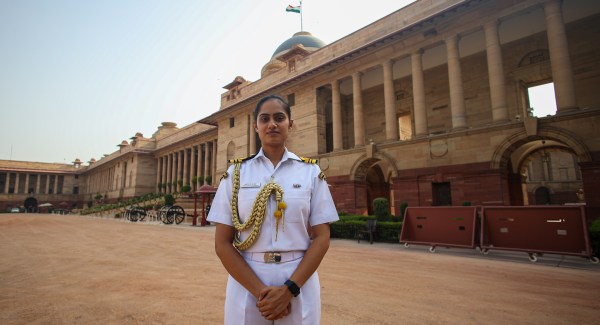 Yashaswi Solankee, first woman officer to become ADC to President of India. Praveen Khanna
The first woman ADC
On being selected as the first woman officer to become ADC to the President, Lieutenant Commander Solankee had said, “I had never dreamt of getting selected as the ADC to the President. This was never in my bucket list.”
She was selected for the role while being was posted as Senior Inspector at Naval Armament (Defence Production) in Hyderabad. “I am a technical officer and initially, my knowledge was quite siloed. But now, I need to be updated at all times. Like, every hour, every minute. You have to be updated every second because, at any time, anyone can ask me any question and I have to be prepared,” she said. “Each and every word that you say here, everything that you do here, it makes a lot of difference because whatever we say or inform the President is something she lives by,” she said.

Two Buxar teachers dismissed after inquiry finds merit in sexual abuse claims
By Sohail Khan · 22 Sep

Leave a Reply