‘Age does not make a glucose of 160 mg/dL normal’: Doctor explains what the number means in your 20s
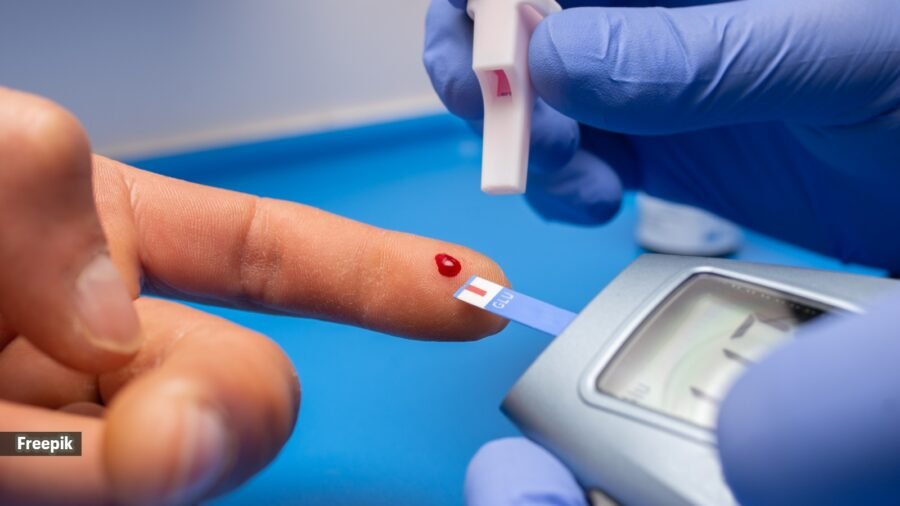
What does 160 mg/dL mean if it is fasting, pre-meal or post-meal?
Dr Kovil clarifies that a fasting blood sugar of 160 mg/dL is clearly abnormal and falls in the diabetes range. The diagnostic threshold for fasting plasma glucose is 126 mg/dL or higher.
“A pre-meal value of 160 is also abnormal and deserves evaluation. A post-meal 160 needs context: how long after eating, what meal, and whether diabetes is already established.”
For a standard two-hour 75-g oral glucose tolerance test (OGTT), a glucose level of 200 mg/dL or higher is in the diabetes range.
Story continues below this ad
“Never interpret ‘160’ in isolation; timing converts a number into clinical information,” Dr Kovil strictly advises.
Does one reading of 160 mg/dL mean you have diabetes?
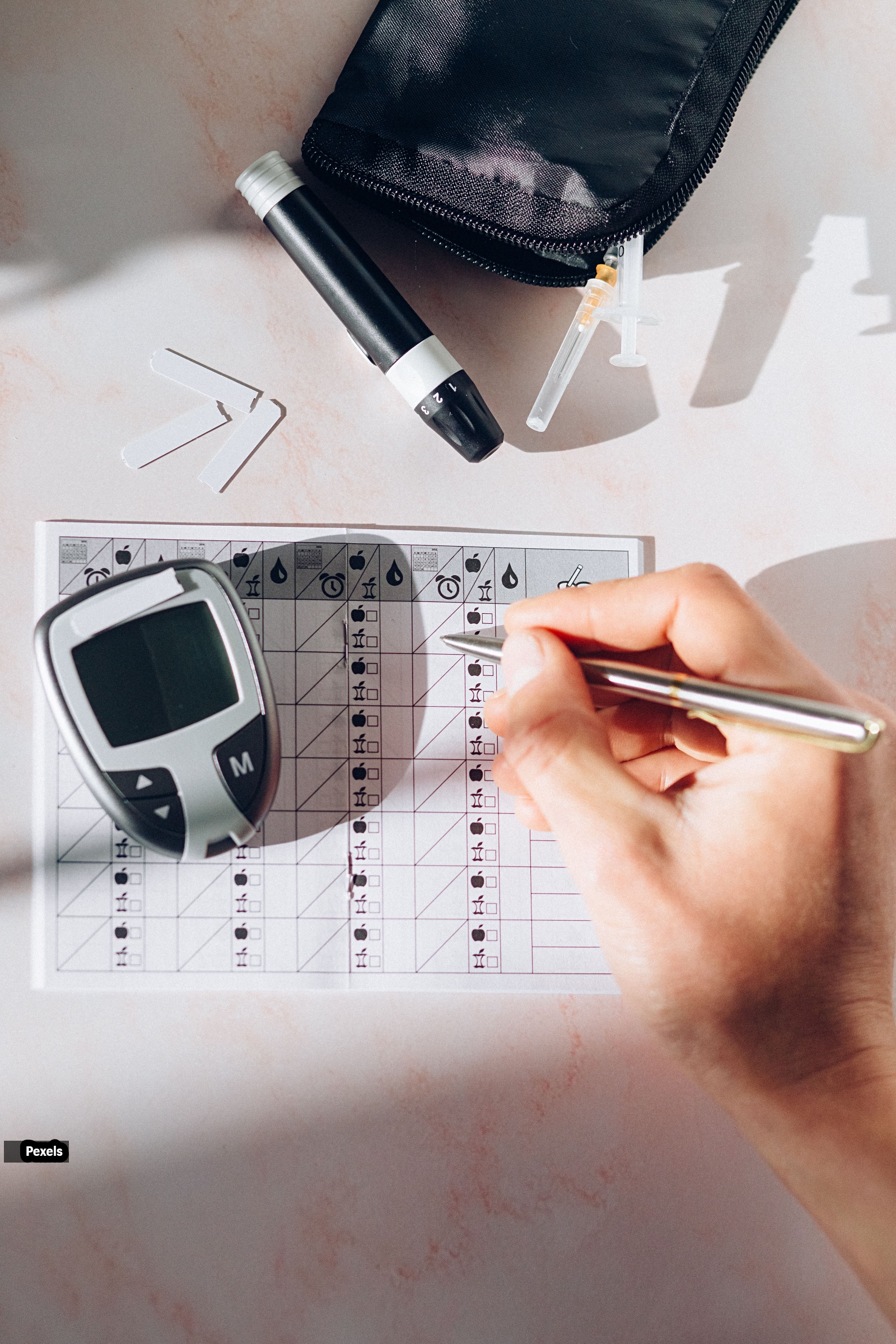 Diabetes is diagnosed by fasting plasma glucose ≥126 mg/dL, HbA1c ≥6.5%, 2-hour OGTT glucose ≥200 mg/dL
Not necessarily. “In an asymptomatic person, abnormal results should be confirmed with laboratory testing,” Dr Kovil notes.
Diabetes can be diagnosed through:
- Fasting plasma glucose: 126 mg/dL or higher
- HbA1c: 6.5% or higher
- Two-hour 75-g OGTT: 200 mg/dL or higher
- Random blood glucose: 200 mg/dL or higher when accompanied by classic symptoms
Without unequivocal high blood sugar, the diagnosis generally needs confirmation with two abnormal results.
“My approach to a young adult is simple: don’t label from one reading, but don’t dismiss it either,” Dr Kovil says.
Story continues below this ad
What blood sugar level should make someone in their 20s get checked?
You do not have to reach 126 mg/dL before paying attention to your blood sugar. Dr Kovil explains the value breakdown below:
- A fasting glucose ≥100 mg/dL already deserves attention
- ≥126 mg/dL reaches the diabetes threshold
- HbA1c 5.7–6.4% indicates prediabetes
- HbA1c ≥6.5% indicates diabetes
- A 2-hour OGTT value of 140–199 mg/dL represents impaired glucose tolerance and ≥200 mg/dL represents diabetes
“In a 22-year-old, I would not say, ‘You’re young, don’t worry.’ I would say, ‘You’re young—that is precisely why we should act now and protect the next 50 years,’” Dr Kovil says.
“Young-onset type 2 diabetes can show faster β-cell deterioration and earlier complications. Diabetes at 25 potentially means decades of exposure—we should diagnose it early, classify it correctly and intervene decisively.”
Can stress, food or lack of sleep temporarily raise blood sugar?
Yes. A carbohydrate-heavy meal, an acute infection or fever, severe stress, sleep deprivation, corticosteroids and some other medications can temporarily raise blood glucose.
Story continues below this ad
But repeated high readings shouldn’t be attributed solely to these factors.
“One abnormal glucose is a signal; repeated abnormal glucose is a pattern,” Dr Kovil warns.
This is especially worth investigating in someone in their 20s who also has obesity, a family history of diabetes or other metabolic risk factors.
What tests are needed if blood sugar keeps coming back high?
The initial evaluation usually includes laboratory fasting glucose and HbA1c. A 75-g OGTT may also be recommended when necessary.
Story continues below this ad
“But in young-onset diabetes, diagnosis is only half the job—we must establish the type,” Dr Kovil explains.
A young, lean person, someone who is losing weight or someone presenting with ketosis may need testing for pancreatic autoantibodies such as GAD, IA-2 and ZnT8. Selected patients may also be evaluated for monogenic diabetes.
Once diabetes is established, doctors may assess blood pressure, lipids, kidney function and albuminuria, as well as screen for other complications.
“Young-onset diabetes deserves phenotyping, not merely prescribing,” Dr Kovil said.
Story continues below this ad
 Severe stress, sleep deprivation, corticosteroids and some other medications can also temporarily raise glucose (Pexels image)
What symptoms should not be ignored?
Symptoms such as excessive thirst, frequent urination, unexplained weight loss, marked fatigue and blurred vision should prompt blood sugar testing.
More serious symptoms, including vomiting, abdominal pain, dehydration, rapid or deep breathing, drowsiness or confusion, particularly when accompanied by very high glucose or ketones, require urgent medical assessment. These can be signs of diabetic ketoacidosis (DKA), which can sometimes be the first presentation of diabetes in a young person.
“And obesity does not exclude type 1 diabetes.”
To put it simply, a 160 mg/dL reading in your 20s should not be dismissed because of your age. At the same time, a single reading does not necessarily mean you have diabetes. The timing of the test, whether the reading is repeated, and confirmatory tests such as fasting glucose and HbA1c help establish what is actually going on.
‘Blood sugar has been trending on Google for the past 24 hours.’
Story continues below this ad

Sussanne Khan says she felt ‘more love’ for Hrithik Roshan’s mother after losing her own
By Sohail Khan · 28 Sep
COP31 hosts Australia and Türkiye face the fossil-fuel question
By Sohail Khan · 28 SepRishi Sunak, Ro Khanna, Dinesh D’Souza: united by colour; divided among white nationalists
By Sohail Khan · 28 Sep
Leave a Reply